



More Than Just a Music Video
Not long ago, an artist's visual identity was primarily defined by two things: their album art and their official music videos. These were expensive, high-stakes productions, often shaped by a record label and aired on dedicated TV channels. Today, that
model is a relic. The modern visual identity is a sprawling ecosystem of content. It includes everything from polished, cinematic music videos on YouTube to candid, behind-the-scenes snippets on Instagram Stories, dance challenges on TikTok, and immersive lyric videos. Even an artist's profile picture and banner on Spotify contribute to the overall picture. This shift means that an artist's visual brand is no longer a static product but a continuous, evolving performance. It's a daily conversation with fans, built from dozens of small, interconnected pieces of video.
The Algorithm as Creative Director
The rise of short-form video platforms like TikTok, Reels, and YouTube Shorts has fundamentally altered how visual content is made and consumed. These platforms, driven by powerful algorithms that prioritize completion rate and engagement, have become the primary channels for music discovery for many listeners. This has created a new dynamic where the algorithm itself often acts as a creative director. Artists and labels now craft songs and videos with virality in mind, focusing on creating catchy, 15-second hooks that are ripe for trends and user-generated content. While this has democratized music promotion, allowing artists to bypass traditional gatekeepers and connect directly with millions of potential fans, it also creates pressure to conform. The need to create content that is authentic to the artist while also being algorithm-friendly is one of the central creative tensions in modern music.
Building a World, Not Just a Look
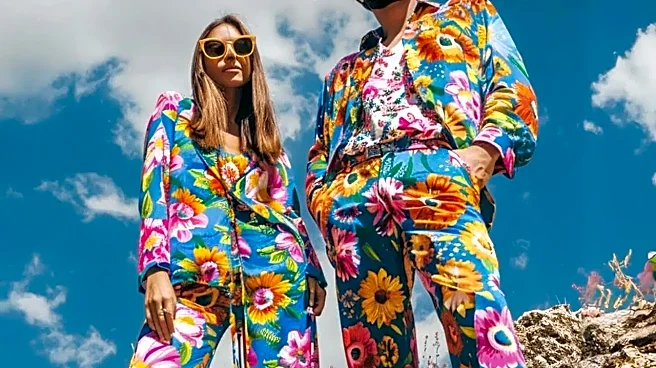
The most successful artists use video not just to create a look, but to build a world. This “world-building” approach, borrowed from science fiction and fantasy, uses a consistent visual language to create an immersive universe that fans can step into. This includes a defined color palette, recurring symbols, specific fashion choices, and a narrative that unfolds across multiple videos and social media posts. Think of the distinct aesthetics of artists like Billie Eilish or Tyler, the Creator, where every video, photo, and live performance feels like a chapter in a larger story. This strategy does more than just make an artist recognizable; it fosters a deeper sense of connection and loyalty. Fans don't just listen to the music; they become invested in the artist's world, eagerly awaiting the next piece of the puzzle.
The Democratization of a Visual Voice
While the demands for constant video content can seem daunting, the digital revolution has also been a powerful democratizing force. The launch of YouTube in the mid-2000s began a shift that has now fully matured: artists no longer need a massive record label budget to create a compelling visual presence. High-quality cameras are built into every smartphone, and accessible editing software puts powerful tools in the hands of creators everywhere. An artist can now film and edit a compelling video in their bedroom, post it to TikTok, and potentially reach a global audience overnight. This levels the playing field, allowing independent artists to compete with major-label superstars on the same “shared stage.” Authenticity, creativity, and a clear vision have become more valuable than a blockbuster budget, giving every artist the chance to carve out their own unique visual space.