





The Dream on the Dust
For every crew that brings a fire-breathing octopus or a rolling, three-story sound stage to the playa, the journey begins months, if not years, earlier. It's a logistical marathon of designing, building, fundraising, and planning for one of the harshest
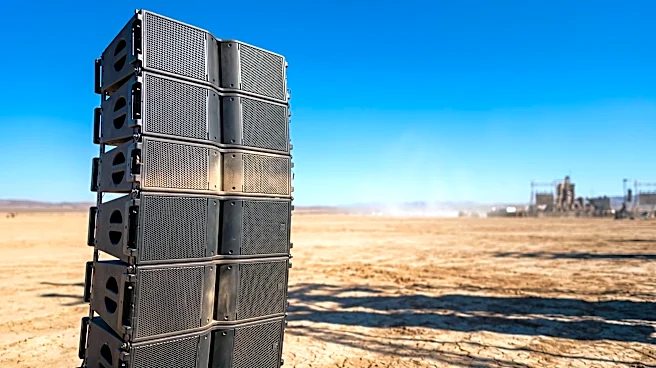
environments on Earth. They prepare for the obvious: the relentless sun, the freezing nights, the disorienting dust storms, and the need for water, food, and fuel. Teams spend fortunes on generators, speakers that can be heard a mile away, and LEDs to light up the desert night. The goal is to create a seamless, magical experience. But the desert has a way of finding the weakest link in any plan, and it’s rarely the big, expensive equipment that brings a project to its knees.
The Obvious Obstacles
When things go wrong at Burning Man, the failures are often spectacular. A cheap RV bought for the trip gives up on the highway. A sudden windstorm turns a poorly secured shade structure into a dangerous projectile. Even the massive generators that power the city's biggest camps can be a source of trouble; under-sizing one can lead to constant outages, while over-sizing can cause a diesel engine to wear itself out prematurely. Experienced crews know these pitfalls. They budget for high-quality shelter, bring backup parts, and consult experts on generator loads. They know the alkaline playa dust is conductive and destructive, capable of working its way into any poorly sealed electronic device. They plan for everything they can see. The real problem is the thing they don't.
The Humble Hero That Fails
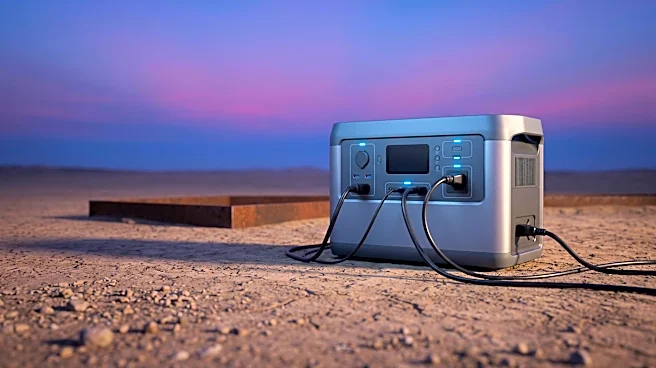
The one piece of infrastructure that performance crews consistently underestimate is not the generator, but the power distribution network. It's the unglamorous web of extension cords, power strips, and connectors that carries the electricity from its source to the lights, speakers, and amplifiers. While the generator gets all the attention, this humble system is where the magic most often dies. Crews will spend thousands on a power source, only to connect it with cheap, consumer-grade extension cords from a big-box store. These items are not designed for the extreme heat, the constant foot traffic, and, most importantly, the fine, corrosive alkaline dust of the Black Rock Desert.
Death by a Thousand Amps
Failure rarely happens all at once. It starts small. A cheap power strip, daisy-chained to another one in a violation of basic electrical safety, begins to overheat. An extension cord, too thin for the amount of power being drawn through it, experiences a voltage drop, causing sensitive audio equipment to malfunction. Dust gets into a loose connection, creating a short. According to Burning Man's own safety guidelines, proper equipment care and using gear within its rated limits are essential to preventing these failures. But in the rush to build and perform, crews often grab whatever is available. The result is a system under constant strain. Lights flicker. Sound systems buzz and cut out. In the worst-case scenario, overloaded circuits can lead to equipment damage or even fire, bringing the entire performance to a dead stop and putting people at risk.