


The Tale of Two Collars
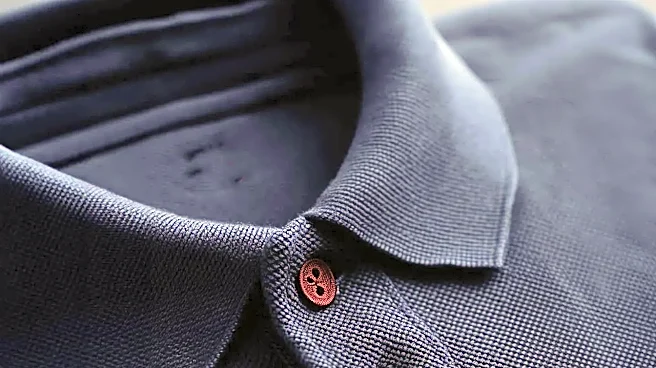
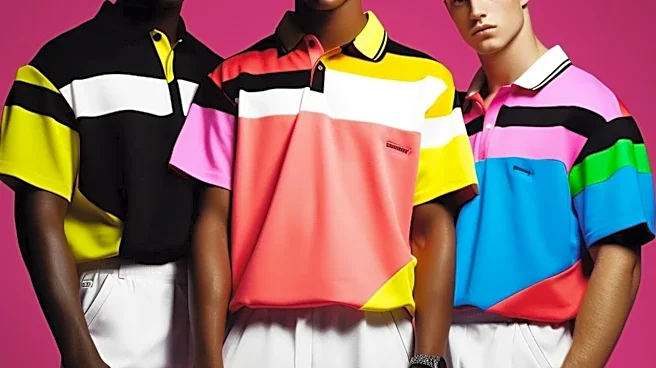
First, let’s define our terms. Most mass-market polo shirts feature a “self-fabric” collar, meaning the collar is made from the same jersey or piqué knit material as the shirt’s body. It’s essentially a folded-over extension of the main fabric. It’s simple,
cost-effective, and gets the job done. But the star of our story is the “rib collar.” This is a separate piece of fabric, knit with a distinct ribbed texture that gives it more elasticity and structure. Think of the cuffs on a sweatshirt—that’s a similar type of rib-knit construction. While a self-fabric collar lies flat and can feel flimsy, a rib collar is engineered to have body and resilience. This fundamental difference in construction is what unlocks its transformative power.
Mastering Proportion and Shape
The first major change a rib collar brings is to proportion. A flimsy self-fabric collar is prone to curling at the edges, collapsing under its own weight, and creating a sloppy, undefined neckline. A well-made rib collar, by contrast, has the structure to stand up slightly against the neck. This subtle lift creates a cleaner, more intentional frame for the face and jawline. It prevents the dreaded “bacon collar” effect where the points curl and ripple after a few washes. By holding its shape, a rib collar makes the entire shirt appear more put-together. It guides the eye upward, creating a more flattering silhouette that balances the shoulders and adds a touch of architectural integrity to what is otherwise a soft, casual garment. It’s the difference between a shirt that just hangs on you and one that actively enhances your frame.
A Signal of Superior Finish
Beyond pure aesthetics, the choice of collar speaks volumes about a polo's overall quality, or its “finish.” Manufacturing a shirt with a separate rib collar is a more complex and costly process. It requires an extra step to knit the collar and skillfully attach it to the body of the shirt. This additional effort is a hallmark of more thoughtful design and construction. The ribbing adds a pleasing textural contrast to the piqué or jersey of the main shirt, making it look and feel more premium. It suggests the designer cared about the small details. This construction also adds durability; a robust rib collar is far less likely to lose its shape or stretch out over time, ensuring the polo looks sharp for years, not just for a season.
From Tennis Court Legacy to Modern Staple
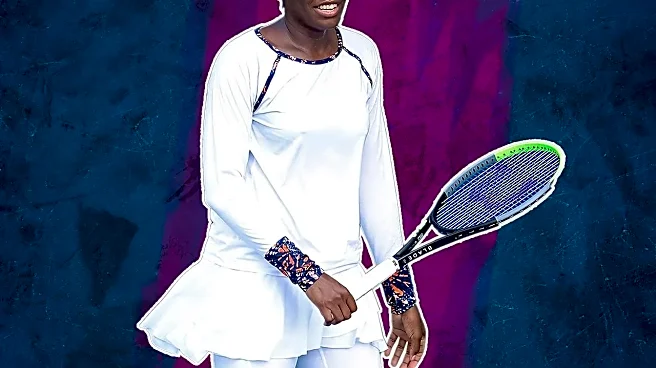
The polo shirt’s story begins on the tennis court, where functionality was paramount. When René Lacoste designed the first modern tennis shirt in the 1920s, he included a soft, unstarched collar that could be turned up to protect the neck from the sun. This original design featured a ribbed collar for that very purpose—it had the structure to stay up when needed. As the polo transitioned from pure sportswear to a casual style staple, many manufacturers cut costs with self-fabric collars. Today, however, discerning brands are returning to the ribbed collar, understanding its role in elevating the garment. In an era of athleisure and refined casualwear, the structured finish of a rib collar transforms the polo from a simple athletic shirt into a versatile piece that can be dressed up with a blazer or worn on its own for a polished, confident look. It’s a nod to the shirt's heritage, updated for a modern audience that appreciates quality.