


More Than Just a Movie
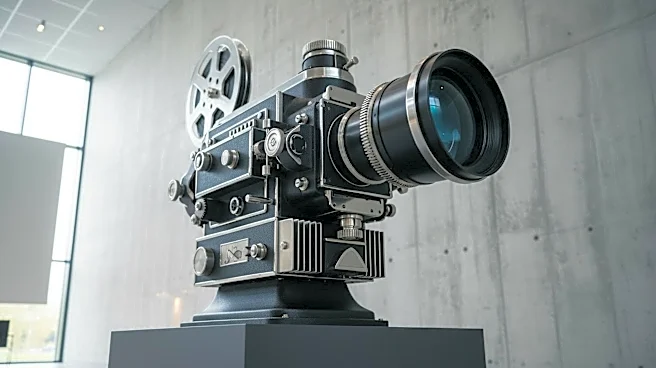
In an era where streaming platforms offer endless content at home, theaters need to provide an experience you can’t get on your couch. Studios are realizing that adding a seven-minute animated short or a fun, self-contained bonus scene can “eventize”
a theatrical release. It’s a value-add proposition. You’re not just paying for the feature film; you’re getting an entire package. This strategy harks back to the golden age of cinema, when a ticket bought you a newsreel, a cartoon, and then the main feature. Today, it’s a tactic to make the trip to the multiplex feel more special and justify the ticket price, turning a simple movie night into a more memorable outing. With audiences increasingly selective about which films they’ll see on the big screen, these extras serve as a powerful incentive.
The Power of Nostalgia
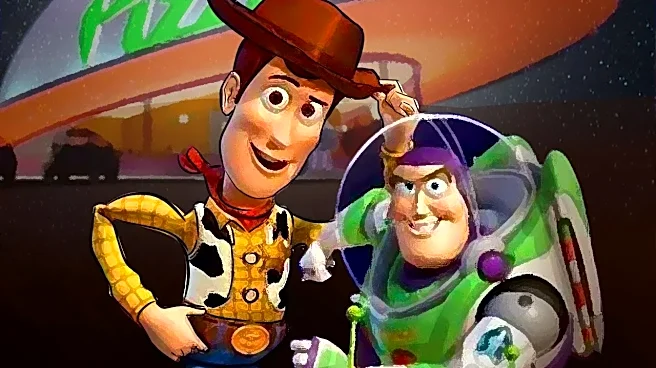
For generations of moviegoers, the sight of Looney Tunes or a Disney Silly Symphony before a film is a core memory. Studios like Pixar perfected the modern version of this in the late 90s and 2000s, with shorts like "Geri's Game" and "For the Birds" becoming as beloved as the features they preceded. The return of this format is a direct appeal to that nostalgia. It taps into a collective fondness for a time when animation felt like a special treat. In a marketplace saturated with massive, interconnected franchises, a standalone, charming short feels refreshingly simple. It’s a way for studios to connect with audiences on an emotional level, reminding them of their own history with cinema before the main story even begins.
A Studio's Creative Sandbox
Animated shorts have historically served as a crucial testing ground for new technology, talent, and ideas. Before committing hundreds of millions of dollars to a feature, a short allows a studio to experiment with a new animation style, develop a new character, or give a promising director their first shot. Disney tested its groundbreaking multiplane camera on the 1937 short "The Old Mill" before using it in "Snow White and the Seven Dwarfs." Pixar used shorts to refine techniques for animating everything from human characters to complex textures. Today, these openers are a low-risk, high-reward way to innovate. They can also introduce new intellectual property (IP) that could one day become its own franchise, all while serving as a delightful bonus for the audience.
Evolving Past the Franchise Tease
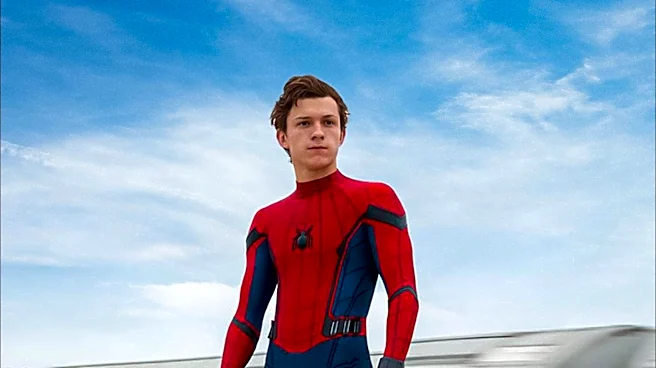
For over a decade, the term “bonus scene” was synonymous with the Marvel Cinematic Universe’s post-credits stingers, which exclusively served to tease the next installment. However, audience fatigue with the relentless interconnectedness of cinematic universes is palpable. Viewers have expressed a growing desire for more original stories and self-contained films. The new wave of bonus scenes and animated openers responds to this sentiment. Instead of being homework for the next sequel, they are often designed as pure entertainment—a final gag, an epilogue that enriches the film just watched, or a completely unrelated story. This shift marks a move away from using bonus content as a mere marketing tool for future products and toward using it to enhance the current viewing experience, leaving audiences with a feeling of satisfaction rather than a checklist of what to watch next.