




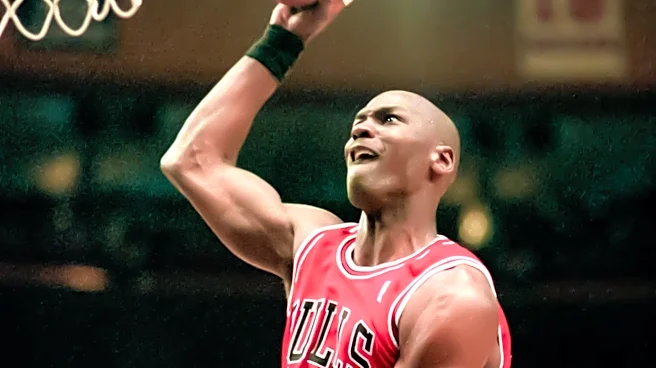


The Unquestionable, Unorthodox Talent
Before the noise, there was the genius. Dennis Rodman is arguably the greatest rebounding forward in NBA history, a defensive savant who didn't need to score to dominate a game. He studied angles and spin with a physicist's precision, transforming hustle
into an art form. For seven straight years, he led the league in rebounds, a feat of singular focus and relentless energy. His talent wasn't just in his leaping ability but in his intellect and sheer will. Similarly, Mario Balotelli, in his prime, was a force of nature. Possessing a rare combination of thunderous power, deft touch, and startling creativity, he could score goals few others would even attempt. His iconic, muscle-flexing celebration at Euro 2012 against Germany was a testament to his explosive ability on the biggest stage. For both men, their talent was raw, undeniable, and utterly unique, a foundation that made their subsequent antics all the more confounding.
The Agents of Chaos
If their talent made them stars, their behavior made them infamous. Rodman turned his life into performance art. With ever-changing hair colors, a gallery of tattoos, and a rockstar persona, he became a '90s pop culture icon. His escapades were legendary, from a short-lived marriage to Carmen Electra to famously taking a mid-Finals vacation to Las Vegas. Balotelli's brand of chaos was often more impulsive and bewildering. He set his house on fire with fireworks, only to become the face of a firework safety campaign days later. He threw darts at youth team players, got into training ground scuffles, and was famously perplexed by his inability to put on a training bib. After one goal, he revealed a shirt asking, "Why Always Me?"—a question that perfectly encapsulated his turbulent career. While Rodman’s chaos felt curated, Balotelli’s often felt like a genuine, almost childlike lack of impulse control.
Teammate's Dream vs. Coach's Nightmare
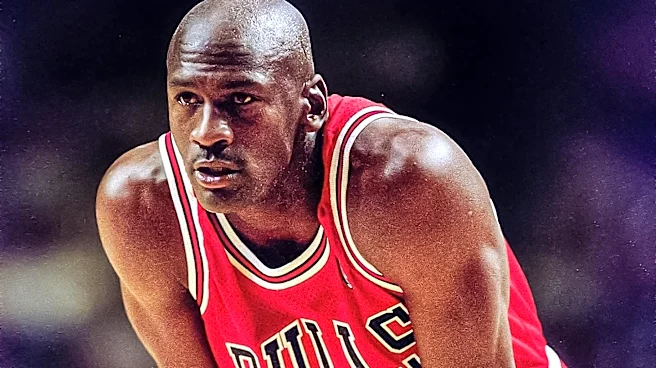
Herein lies the crucial difference between the two. For all his off-court drama, Dennis Rodman was often an exemplary teammate. Coaches like Phil Jackson understood that to get Rodman's on-court brilliance—the suffocating defense and obsessive rebounding—they had to allow for his off-court eccentricities. He accepted his role perfectly alongside superstars like Michael Jordan and Scottie Pippen, doing the dirty work that led to three championships with the Chicago Bulls. Balotelli, on the other hand, was frequently a disruptive force. Managers like José Mourinho and Roberto Mancini were left exasperated by his immaturity and lack of discipline. Mourinho once spent nearly an entire halftime break instructing Balotelli, who was on a yellow card, not to get a second. He was sent off within a minute of the restart. While Rodman's chaos was external, Balotelli's often infected the locker room, making him a talent too volatile for even the most patient coaches to manage long-term.
A Legacy of Triumph vs. A Tale of 'What If?'
Both men are Hall of Famers in the pantheon of sports personalities, but their professional legacies diverge sharply. Dennis Rodman, for all his antics, is a five-time NBA champion and a Naismith Memorial Basketball Hall of Fame inductee. His eccentricities are now viewed as part of a complex package that ultimately produced immense success. His story is one of a troubled man who channeled his demons into becoming an all-time great in a specific, crucial role. Balotelli's career is a more tragic story of unfulfilled potential. After dazzling at Euro 2012, his career entered a slow decline, moving from one club to another with flashes of brilliance but never sustained greatness. He won major trophies early in his career but will forever be remembered as the superstar who could have been. Rodman's theater had a purpose that served his teams; Balotelli’s too often only served the chaos, leaving fans and coaches to wonder what could have been if his discipline had ever matched his divine talent.