




An Instant Injection of Narrative
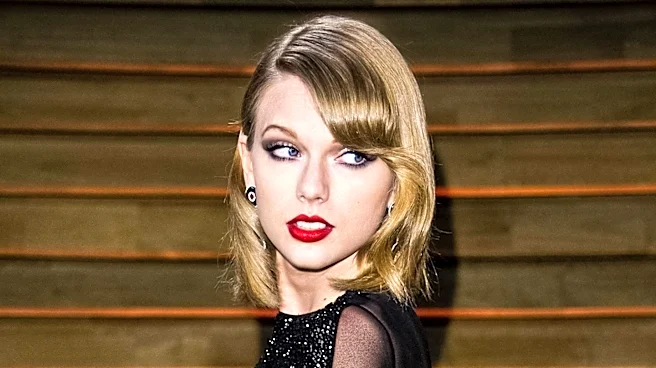
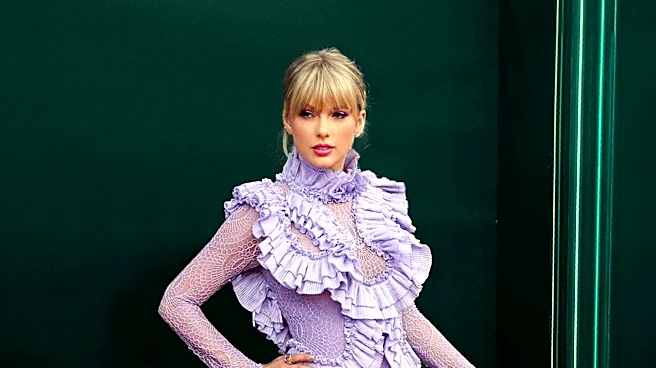
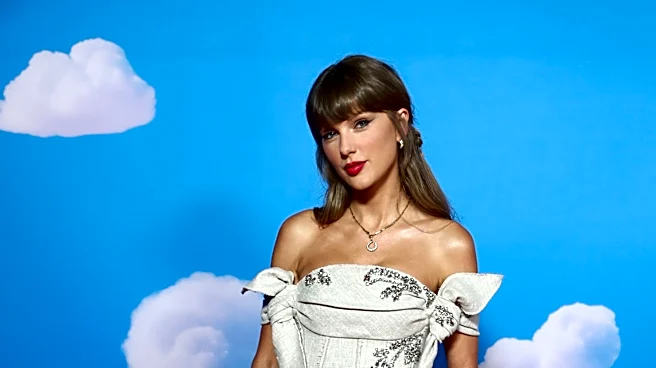
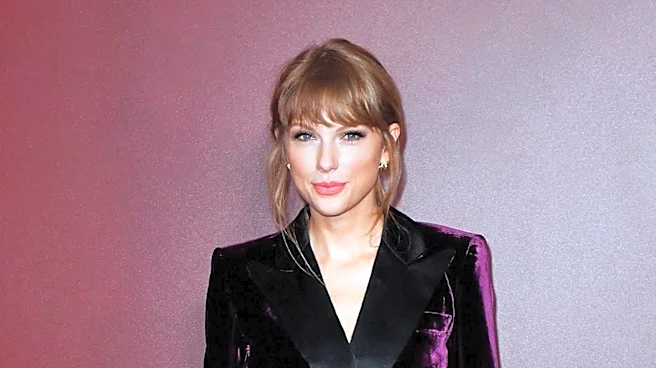
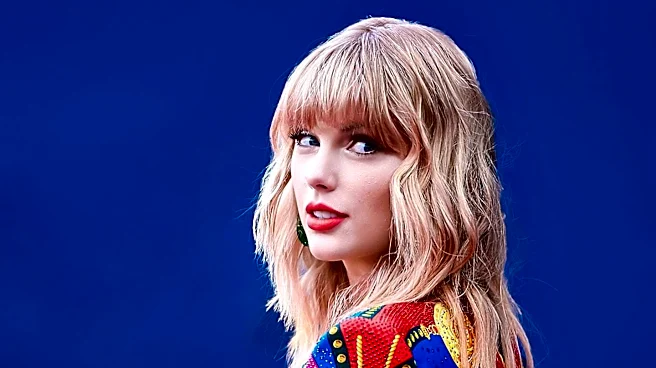
On its own, a regular-season game is just one contest among many. But the moment the camera finds a globally recognized star, the stakes feel different. The most potent recent example is Taylor Swift's appearances at Kansas City Chiefs games. Her presence
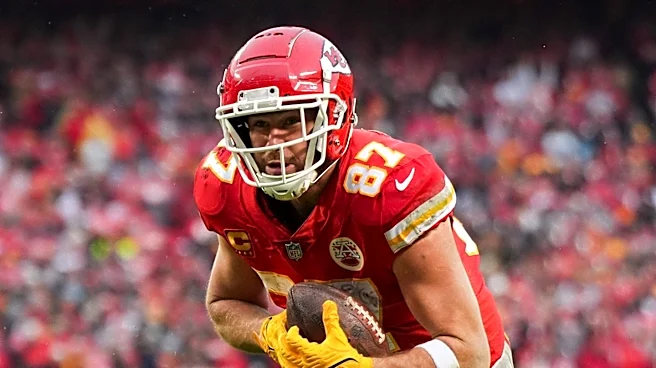
didn't just attract new viewers; it created a whole new storyline. Suddenly, a Sunday afternoon matchup wasn't just about football—it was a crossover cultural event. The NFL's regular season viewership saw a significant spike, particularly among female demographics, with some reports noting the highest female viewership since 2000. Travis Kelce's jersey sales reportedly surged by 400%, and millions of social media impressions were generated every time she appeared on screen. A celebrity’s attendance provides an emotional anchor for casual observers and a jolt of validation for diehards. It transforms the game from a sporting contest into a chapter in a much larger, more accessible story.
The Validation of Shared Passion
For decades, certain fans have become synonymous with their teams, acting as high-profile avatars for the entire fanbase. Think of Spike Lee at Madison Square Garden. For years, through losing seasons and frustrating rebuilds, his passionate, often confrontational, courtside presence has been a constant. His unwavering loyalty, visible to a national audience, tells every other Knicks fan that their own long-suffering dedication is not just valid, but a core part of the team's identity. When the Knicks finally have a good season, his catharsis feels like everyone's catharsis. This phenomenon isn't about celebrity worship; it’s about shared identity. Psychologically, being a sports fan helps fulfill a basic need to belong. Seeing a famous person exhibit the same irrational passion you feel validates your emotional investment and makes you feel part of a bigger, more important tribe. It says: “This game matters, and you’re right to care so much.”
The Superfan Archetypes
Different famous fans play different roles. There’s the Agonized Lifer, like Spike Lee, whose identity is inextricably linked with his team’s fortunes. Then there’s the Courtside Fixture, epitomized by Jack Nicholson at Los Angeles Lakers games. For decades, Nicholson wasn't just watching; he was part of the spectacle. He famously chose seats near the visitor's bench, the better to heckle opponents, becoming an unofficial part of the Lakers' home-court advantage. His presence helped popularize the very idea of celebrities turning courtside seats into the most exclusive front row in entertainment. There is also the Modern Mogul, like Jay-Z, who evolved from a fan into a part-owner of the Brooklyn Nets and now helps produce the Super Bowl halftime show, blurring the lines between spectator and stakeholder. These archetypes provide different narrative flavors, but they all serve to deepen the cultural footprint of their chosen teams.
When the Sideshow Becomes the Main Event
Of course, there's a point where the celebrity-gazing can feel like a distraction. Some sports purists argue that constant cuts to the luxury suite detract from the game itself. Announcers fawning over an actor or musician can feel disconnected from the athletic drama unfolding on the field. Yet, leagues and broadcasters lean into it for a simple reason: it works. It broadens the audience, creates endless social media content, and generates buzz that is difficult to manufacture otherwise. The "Taylor Swift Effect" reportedly generated an equivalent of over $330 million in brand value for the Chiefs and the NFL. In a fragmented media landscape where grabbing and holding attention is the ultimate challenge, a celebrity fan is a powerful tool. They serve as a bridge, inviting people who might not otherwise care about a specific matchup to tune in and, just maybe, get hooked on the sport itself.