




The June Programming Box
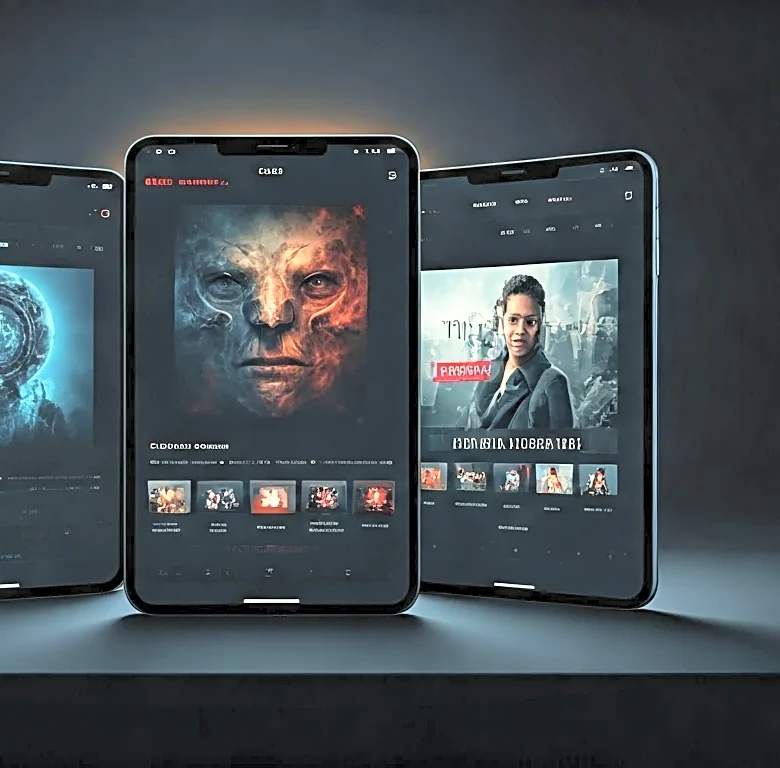
Since Juneteenth became a federal holiday in 2021, a predictable and welcome pattern has emerged in the television landscape. Cable networks clear their schedules for marathons of Black-led cinema, streaming services curate “Celebrating Black Freedom”
collections, and talk shows produce thoughtful specials. Shows like ABC’s “Soul of a Nation” and OWN’s slate of Juneteenth programming have offered historical context and modern reflection. This is, without question, a positive development. For decades, Black history was relegated to a few weeks in February. Seeing the industry recognize and celebrate the true end of chattel slavery is a sign of progress. But this progress comes with a built-in risk: tokenism. By corralling these stories into a tight, two-week window, networks can inadvertently treat Juneteenth less like a cornerstone of American history and more like a seasonal marketing event, akin to “Shark Week” or the “25 Days of Christmas.” The focus becomes the holiday itself, not the enduring themes of liberation, resilience, and justice that it represents. It creates a content ghetto where important narratives are expected to perform on-demand during a specific period, only to be shelved on July 1st. This isn’t just a cultural problem; it’s a bad business model that underestimates the audience’s appetite for these stories.
From Holiday Special to Evergreen Hit
The first step toward survival is a shift in creative strategy: stop making “Juneteenth TV” and start making great TV that embodies the spirit of Juneteenth. The holiday’s themes—the long arc of justice, the gap between proclamation and practice, the fight for self-determination—are universal and endlessly compelling. They don’t need to be packaged with a holiday-specific label to resonate. Consider Netflix’s “High on the Hog: How African American Cuisine Transformed America.” While its Juneteenth episode is powerful, the entire series is a masterclass in telling a story of Black resilience and ingenuity that is watchable and relevant any day of the year. Similarly, dramas like HBO’s “Watchmen” or comedies like ABC's “Black-ish,” which aired a now-classic Juneteenth-themed animated special in 2017, prove that these themes can be woven into mainstream entertainment without feeling like homework. The goal should be to create shows that are so good, so emotionally resonant, that their connection to Juneteenth is a point of depth, not their entire reason for existing. A powerful story about freedom will find an audience in October as easily as it does in June.
Greenlighting Freedom Year-Round
Ultimately, the content on screen is a direct result of decisions made in boardrooms and writers' rooms. For Juneteenth narratives to thrive year-round, the people who champion them must have power year-round. The most critical ingredient for survival is the continued empowerment of Black creators, showrunners, and executives. When creative and executive power is held by people with a deep, lived understanding of the culture, stories are less likely to be flattened into a “Very Special Episode.” Creators like Kenya Barris (“Black-ish”), Issa Rae (“Insecure”), and Jordan Peele (“Get Out”) have built careers on telling specific, nuanced stories that became universal hits. Their success demonstrates that audiences of all backgrounds are hungry for authentic perspectives. A network executive who sees a pitch for a series about a Black family grappling with a newfound legacy in Texas might see a compelling drama for the fall slate, not just a one-off for a holiday special. Investing in these creators through production deals and giving them the latitude to tell stories on their own terms is the only sustainable way to build a pipeline of content that honors Black history 365 days a year.