




Lesson 1: Deconstruct the Blueprint
Every story you want to tell has been told before, but never by you. Telluride’s retrospectives, which have historically featured everything from silent-era gems to international masterworks, are a perfect reminder of this. Watching early genre films,
for example, isn’t about spotting clichés; it’s about understanding the blueprint. When you see the raw origins of a tracking shot in a 1920s film or the birth of a narrative device in a French New Wave classic, you gain a deeper understanding of the language you’re working with. It allows you to make conscious choices: Do you honor the convention, subvert it, or reinvent it entirely? Knowing the rules of the road gives you the power to choose your own path, turning tired tropes into fresh, intentional storytelling.
Lesson 2: Embrace Creative Limitations
Filmmakers of the past worked with profound technical constraints. They didn't have CGI, drones, or the iPhone in their pocket. Yet, they created moments of breathtaking visual poetry and spectacle. Telluride's commitment to screening restored classics showcases this ingenuity. Watching a pre-digital film, you're seeing a masterclass in problem-solving. How did they achieve that sense of scale without a green screen? How did they build that suspense with only clever editing and sound design? This isn't about promoting a luddite sensibility; it's about internalizing the lesson that creativity thrives under pressure. When your budget is tight or your gear is limited, remembering how masters of the past created magic with less can inspire you to find innovative, practical solutions instead of seeing only roadblocks.
Lesson 3: Understand Your Cinematic DNA
No artist creates in a vacuum. Every director is part of a conversation that spans decades and continents. The festival’s annual Guest Director program, where a notable filmmaker like Rebecca Hall (2026) or Barry Jenkins has curated a selection of influential films, is a testament to this lineage. These selections are a public declaration of artistic ancestry. For a young filmmaker, the lesson is to actively seek out your own. Who are the directors, past and present, whose work speaks to you? Watching their films, and the films that inspired them, helps you understand your own taste and tendencies. It helps you articulate your own voice by seeing how others found theirs. It's not about imitation; it's about orientation. Finding your place in the grand family tree of cinema gives you a stronger foundation from which to grow.
Lesson 4: See Film as a Cultural Time Capsule
Films are more than just stories; they are artifacts of the time and place they were made. Telluride's programming often includes restored works from around the globe, such as past screenings of films from Iran or Burkina Faso, which offer a window into other cultures and historical moments. For a filmmaker, this is a crucial lesson in context. Why did this story resonate with audiences then? What social anxieties or cultural celebrations does it reflect? Understanding how cinema intersects with society helps you create work that feels relevant and meaningful. It trains you to look beyond your own personal experience and engage with the wider world, giving your films a depth and texture they might otherwise lack. A story that understands its cultural moment has a far greater chance of becoming timeless.
Lesson 5: Appreciate the Art of Preservation
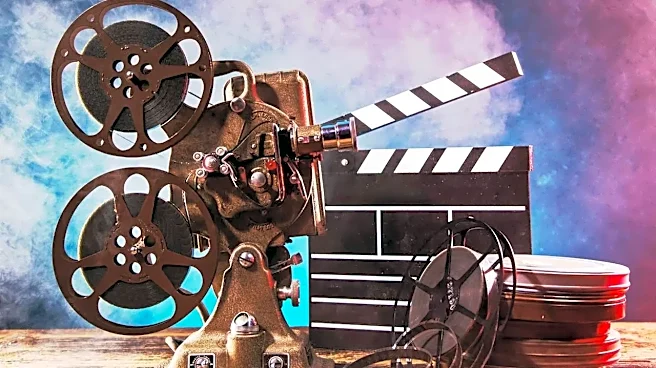
The very existence of a “restored classic” is a powerful lesson. It signifies that a film was not just made, but saved. Organizations like The Film Foundation often partner with festivals like Telluride to showcase their work, bringing forgotten movies back to life. This process of restoration—painstakingly recovering color, repairing sound, and fixing physical damage—highlights the fragility of the medium. For a young creator working in the digital age, where content can feel ephemeral, it’s a powerful reminder to build things that last. It encourages a sense of craft and intentionality, from pre-production to final cut. Thinking about how your film will look and sound in 50 years pushes you to aim for a higher standard, creating something not just for the current moment, but for the historical record.