
The Initial Rush of the Time Machine
The primary driver for buying that ticket is nostalgia, a powerful and comforting emotion. Psychologically, nostalgia acts as a resource, connecting us to meaningful past experiences and boosting our mood,
especially during times of stress or uncertainty. When you hear a band from your youth is reuniting, it’s not just about the music; it’s a chance to feel like your teenage self again. Our musical tastes are often forged in our early teens, a time of heightened emotion and identity formation. That music becomes a soundtrack to a specific era of your life. Clicking “purchase” feels like booking a trip back to a simpler time, a moment when that band’s poster was on your wall and their lyrics felt like they were written just for you. It’s an attempt to recapture a feeling, bottled and sold as a reunion tour.
When Memory Clashes with Reality
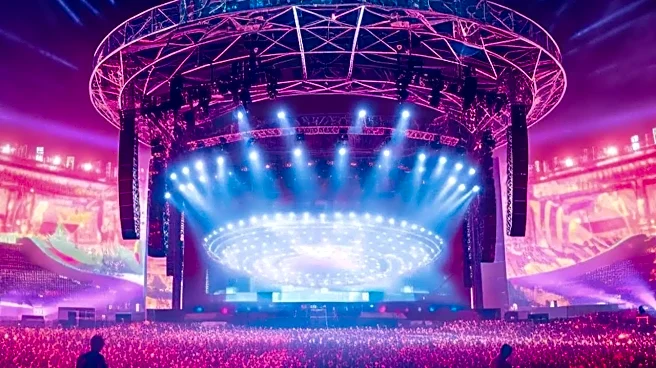
Then the lights go down, the opening chords hit, and something feels… off. It’s not bad, just different. The singer’s voice has aged. The once-rebellious stage banter now feels scripted. And you, standing in the crowd, are different, too. You’re not a teenager anymore; you’re an adult with a mortgage, a 401(k), and a bad back, surrounded by other adults in the same boat. This is the core of the strange feeling: the collision of your pristine, idealized memory with the unvarnished present. Psychologists call this rosy retrospection—our tendency to remember the past as being better than it was, as negative memories often fade faster than positive ones. The live show forces you to confront the reality that time has passed for everyone, including your heroes.
Appreciation Through an Adult Lens
But the experience isn't just about loss or disappointment. As an adult, you bring a new perspective. You might notice the sheer technical skill of the guitarist, something your teenage brain overlooked. You might finally grasp the deeper, more melancholic meaning of a lyric that once just sounded cool. While some things are lost, others are gained. You can appreciate the performance on a different level, recognizing the craft and endurance it takes to have a decades-long career. You might also see the commercial machinery behind it all—the steep ticket prices, the endless merch lines—with a cynicism that was absent in your youth. It's a trade-off: the innocent, all-consuming passion of youth is replaced by a more complex, layered appreciation.
The Bittersweet Communal Experience
Look around the venue, and you’ll see thousands of people on the same strange pilgrimage. You’re all there to chase a ghost. There's a powerful sense of connection in that shared experience. You’re not just connecting with the band; you're connecting with a generation of people who grew up with the same soundtrack. It’s a collective acknowledgment of getting older. This shared moment can be profoundly moving, a mix of joy for the songs you still love and a quiet sadness for the time that has passed. The nostalgia becomes bittersweet—sweet because the memory is happy, but bitter because you can never truly go back. It highlights the uncrossable distance between who you were and who you are.