










It All Starts With Formations
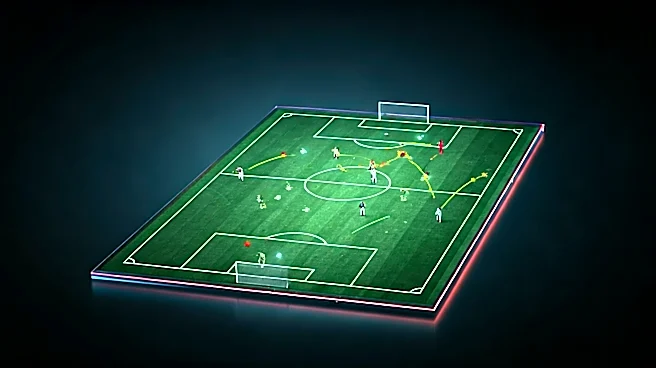
Before the whistle even blows, the coach has made their first big decision: the formation. You’ll see numbers like 4-4-2 or 4-3-3. This isn't complex math; it's just a simple way to describe how many defenders, midfielders, and forwards are on the field (not
counting the goalie). A 4-4-2 means four defenders, four midfielders, and two strikers. It’s a classic, balanced setup. A more aggressive, modern choice is the 4-3-3, which uses three forwards to apply constant pressure on the opponent's defense. Think of the formation as the basic blueprint. It tells you a team's general philosophy: are they built to be a defensive wall, an all-out attacking force, or something in between? It’s the starting point from which every other tactical decision flows.
The Big Defensive Choice: Aggressive or Patient?
Once the game starts, a team's defensive plan becomes clear. It usually boils down to one of two main ideas. The first is the "high press." This is an aggressive, in-your-face strategy where a team pushes its defenders high up the field and tries to win the ball back in the opponent's territory. The goal is to create turnovers that lead to quick scoring chances. The opposite philosophy is the "low block," often called "parking the bus." Here, a team pulls almost all its players back into its own defensive third, creating a compact, two-layered wall that is incredibly difficult to break down. This conserves energy and invites the opponent to attack, hoping to create space for a counter-attack when the ball is won. So when you watch a game, ask yourself: is the team trying to win the ball near the other team's goal, or are they patiently waiting near their own?
The Attacking Question: Methodical or Lightning-Fast?
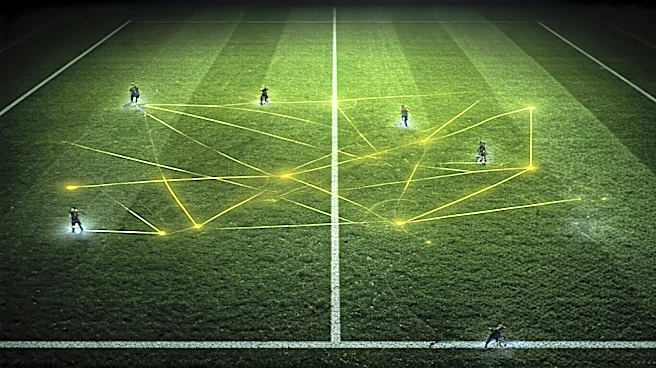
Just as there are two basic defensive mindsets, there are two main ways to attack. The first is possession-based football, sometimes called "tiki-taka." Teams using this style make dozens of short, safe passes, patiently controlling the ball and waiting for a defensive opening to appear. The idea is simple: if the other team doesn't have the ball, they can't score. This method requires technically skilled players and tires the opposition out by making them chase the play. The alternative is the counter-attack. This is all about speed and efficiency. A team using this strategy will defend deeply, absorb pressure, and then, the moment they win the ball back, launch a lightning-fast attack into the space the opponent has left open. It can be devastatingly effective, turning defense into a scoring opportunity in just a few seconds.
The Clever Wrinkle: The 'False Nine'
Sometimes, a team will try to confuse the defense by using a player in an unconventional role. One of the most famous examples is the "false nine." Traditionally, the number 9 is the main striker, the player who leads the attack and stays high up the field. A false nine, however, is a striker who drops back into the midfield. This creates a huge problem for the opposing central defenders: Do they follow the striker into the midfield, leaving a massive hole in their own defense? Or do they stay put, allowing the false nine to have time and space to create plays? This clever trick is designed to disrupt the defense's organization and create chaos, which attackers can then exploit.