






The Cathedral: Estadio Azteca
You can't talk about soccer history without talking about Mexico City's Estadio Azteca. It is, simply put, holy ground for the sport. This isn't just another stadium; it's a concrete monument that has witnessed the game's gods at their peak. It was here
that Pelé and Brazil's 'Beautiful Team' lifted the World Cup trophy in 1970. Sixteen years later, Diego Maradona defined his legacy within its walls, scoring both the infamous "Hand of God" goal and the breathtaking "Goal of the Century" in the same 1986 quarter-final match before leading Argentina to glory in the final. The Azteca is the only venue to host two previous men's World Cup finals. For 2026, it will make history again by becoming the first stadium to host matches in three separate men's World Cups, staging the tournament's opening game. Playing at an elevation of 7,200 feet, the stadium's atmosphere is legendary, and its very presence connects this modern tournament to soccer's most iconic moments.
The Main Event: New York New Jersey Stadium
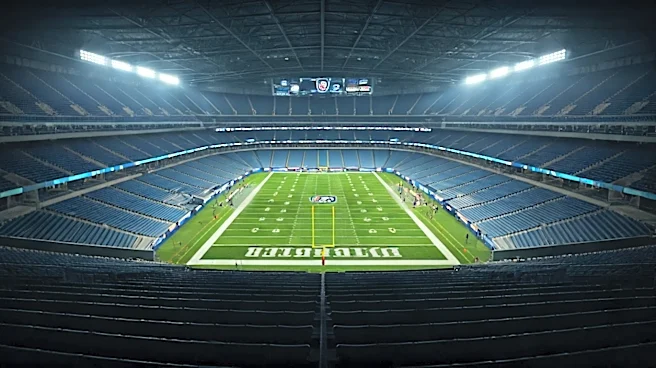
Known the rest of the time as MetLife Stadium, the host of the 2026 World Cup final is a monument to the scale of the modern NFL. Located in the Meadowlands of New Jersey, it's a functional, 82,500-seat giant that beat out flashier rivals in Dallas and Los Angeles for the world's biggest game. Its selection came down to a willingness to meet FIFA's demanding terms, from revenue sharing to significant, permanent stadium alterations. The biggest challenge has been converting the venue from an NFL fortress into a soccer-ready arena. This required permanently removing seats to widen the field to FIFA specifications and, most critically, replacing its controversial artificial turf with a natural grass surface. The six-year-long project to develop and install a temporary, high-tech grass pitch suitable for a World Cup final has been a massive undertaking, with the grass grown off-site and brought in specifically for the tournament.
The Modern Marvels vs. The Beautiful Game
Several of the tournament's U.S. venues are state-of-the-art NFL palaces, like AT&T Stadium in Texas and SoFi Stadium in Los Angeles. These architectural wonders were built for American football, creating a fundamental conflict with soccer. The primary issue is the playing surface. FIFA mandates natural grass, a stark contrast to the synthetic turf used in most of these venues—a surface often criticized by athletes for increasing injury risk. Consequently, these stadiums have had to install temporary natural grass fields for the tournament, a complex and costly process, especially for indoor or retractable-roof venues that lack natural sunlight and airflow. The second issue is field size. NFL fields are narrower than what FIFA requires, forcing stadiums like SoFi and Kansas City's Arrowhead to undergo "fairly major surgery," removing thousands of corner seats to physically widen the playing area. These renovations highlight the compromises required to fit the world's game into America's sporting cathedrals.
The Canadian Connection and Midwest Soul
The tournament isn't just a U.S. affair. In Canada, Toronto's BMO Field and Vancouver's BC Place are undergoing significant upgrades. BMO Field is adding nearly 18,000 temporary seats to meet FIFA's capacity requirements, along with new video boards and hospitality suites. Vancouver's BC Place boasts the world's largest cable-supported retractable roof, a unique architectural feature, though it will likely remain closed to ensure even growth for its temporary grass surface. Meanwhile, in the American heartland, Kansas City's Arrowhead Stadium represents the deep-rooted passion for the sport. Known as one of the loudest stadiums in the NFL, it's undergoing a $50 million renovation to prepare for its six matches. The work includes removing seats to widen the pitch and installing a new aeration system for the grass. For cities like Kansas City, hosting is a chance to shine on the global stage and showcase a thriving soccer culture far from the coasts.