




The Power of What You Don't See
The most effective scary movies understand a simple truth: our imagination is far more terrifying than anything a director can show us. Gore provides a quick, visceral shock, but psychological horror creates a lingering sense of unease that stays with
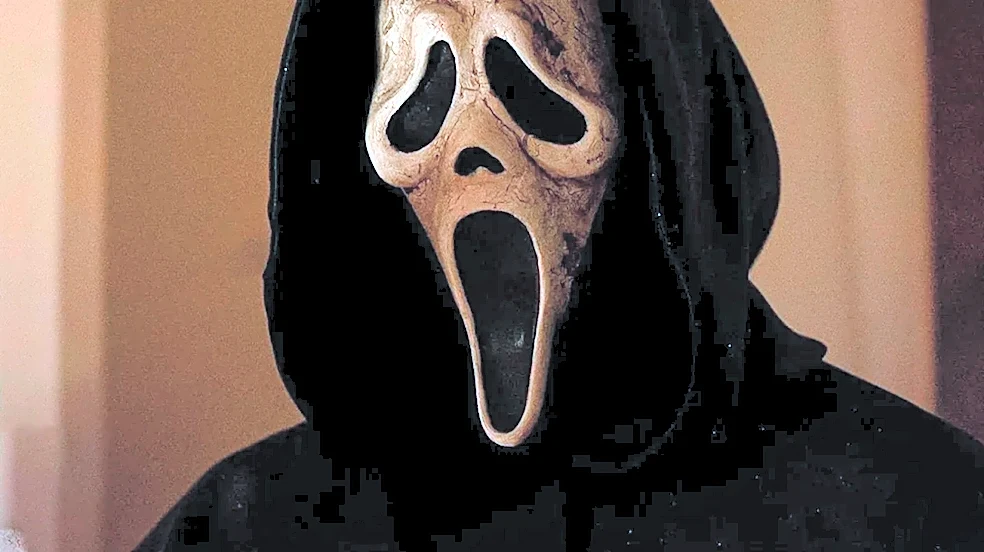
you long after the credits roll. Films that rely on suspense, unreliable characters, and a creeping sense of dread tap into our deepest fears about losing control and not knowing what's real. They trade cheap jump scares for a slow-burn tension that is ultimately more rewarding and, frankly, scarier. It’s the sound in the other room, the shadow that moves too quickly, or the character you can't quite trust that makes a film haunting.
For Timeless Suspense: The Others (2001)
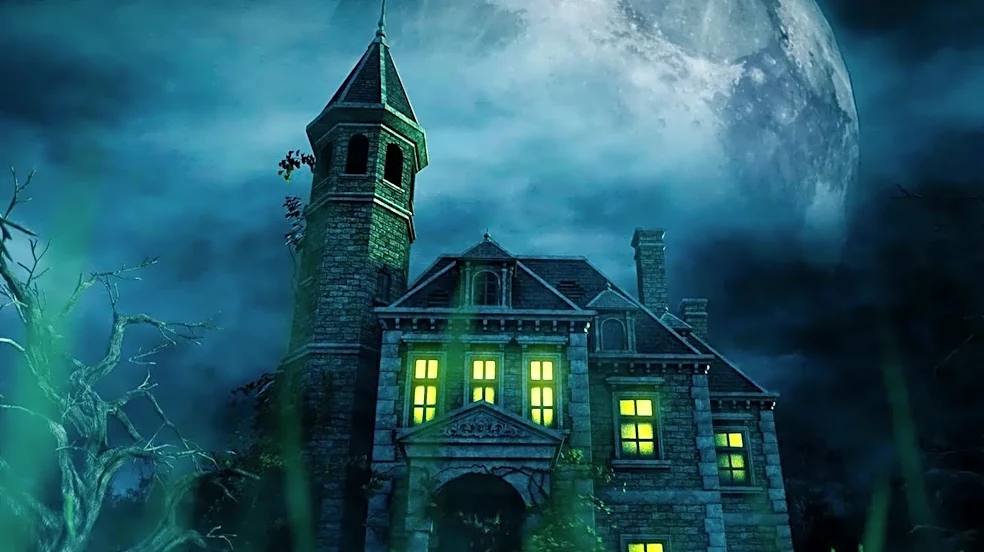
This is a masterclass in building atmosphere. Nicole Kidman plays a mother living in a cavernous, fog-bound mansion with her two photosensitive children shortly after World War II. She becomes convinced the house is haunted. With almost no violence or gore, director Alejandro Amenábar creates an almost unbearable level of tension through masterful sound design, shadowy cinematography, and a story that keeps you guessing until its famous final twist. It proves that a ghost story is most effective when it focuses on belief, paranoia, and the terror of the unknown.
For Found-Footage Dread: The Blair Witch Project (1999)
Decades later, this film remains a benchmark for horror that terrifies without showing you a thing. Following three student filmmakers who venture into the woods to investigate a local legend, the movie's power comes from its raw, documentary-style feel. The horror is built entirely on implication—the strange noises outside the tent, the mysterious stick figures, and the cast's genuine, unraveling fear. You never see the witch, which makes her infinitely more frightening. It’s a pure shot of psychological dread that relies on the viewer to fill in the terrifying blanks.
For Family-Friendly Frights: Hocus Pocus (1993)
Not all great Halloween movies need to be scary. Sometimes, you just want to capture the festive, mischievous spirit of the holiday, and no film does that better than 'Hocus Pocus'. The story of three witch sisters resurrected in modern-day Salem is pure fun. It's filled with iconic performances, memorable lines, and a perfect autumnal aesthetic. It's the cinematic equivalent of a warm apple cider on a crisp October night—spooky enough for the season but designed to make you smile, not scream. It’s a nostalgic favorite that proves a Halloween movie can be a celebratory tradition.
For Animated Chills: Coraline (2009)
Don't let the stop-motion animation fool you; 'Coraline' is one of the most unsettling and visually inventive 'kids' movies ever made. Based on Neil Gaiman's book, it tells the story of a girl who discovers an idealized parallel world with a sinister secret. The film's horror isn't from violence but from its deeply creepy concept of the 'Other Mother' and the button-eyed residents of her world. It’s a surreal, beautiful, and genuinely frightening fairy tale that explores themes of family and identity in a way that resonates with both children and adults.
For Modern Psychological Terror: Get Out (2017)
Jordan Peele's directorial debut redefined modern horror by showing that the most terrifying monsters are often human. The film follows a young Black man meeting his white girlfriend's parents for the first time, where a pleasant weekend soon spirals into a living nightmare. 'Get Out' uses social commentary as its primary source of terror, building a sense of paranoia and 'wrongness' that is far more disturbing than any masked killer. Its scares come from awkward conversations and microaggressions that slowly reveal a horrifying truth, proving that suspense and a powerful story are the ultimate tools of terror.