


Beyond the Handbag
What does 'luxury' even mean anymore? If you ask the world’s biggest fashion houses, the answer is increasingly something you do rather than something you own. The new definition is built on access, personalization, and emotion. Think less about the price
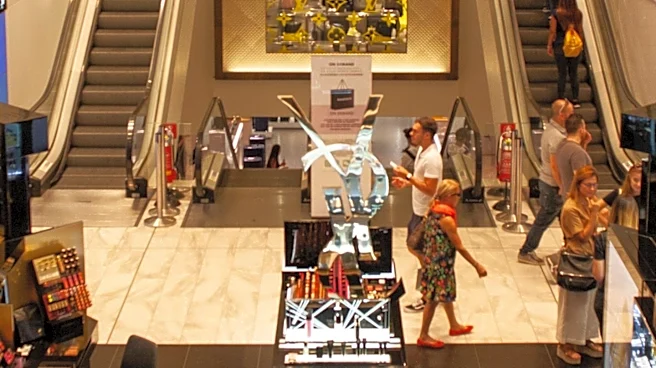
tag on a purse and more about the feeling of being inside the brand’s universe. This shift is turning physical stores into 'experience centers' and brand websites into personal concierges. Instead of just selling you a product, brands like Dior, Gucci, and Louis Vuitton want to offer an unforgettable moment. This could be as grand as a brand-sponsored summer holiday on the French Riviera, complete with branded beach clubs and hotel takeovers, or as intimate as an on-site artist personalizing a newly purchased item just for you. The product is still important, but it’s becoming a souvenir from a much larger, more immersive brand story.
The New VIP Room is Everywhere
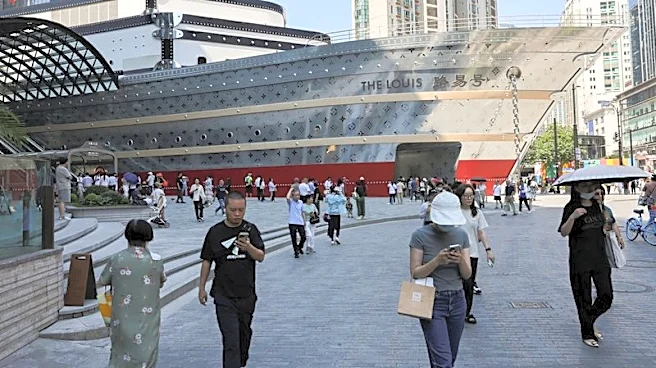
So, what do these experiences look like in the wild? For top-tier clients, they are becoming truly spectacular. Dior now offers 'Suite Dior,' a hyper-exclusive, private apartment within its historic Paris flagship at 30 Avenue Montaigne, where guests can have a Michelin-starred chef cook them dinner and take a solitary after-hours tour of the brand's museum. Gucci has rolled out appointment-only 'Salons' in cities like Los Angeles, which feel more like a private home or a classic Hollywood movie set than a retail store, offering bespoke and rare items to a select few. But it's not just for the ultra-wealthy. Brands are democratizing this approach with publicly accessible, highly Instagrammable 'brand activations'. Louis Vuitton's 'LV Dream' exhibit in Paris, for example, is a free, immersive journey through the brand's artistic collaborations, complete with a café and chocolate shop. Burberry took over an iconic hotel on the French Riviera, draping its signature check across everything from parasols to towels, allowing guests to literally vacation inside the brand. These moves transform a simple shopping trip into a cultural event.
The Post-Logo Generation
This massive shift is being driven by one key factor: the changing values of Millennial and Gen Z consumers. These generations, who will soon account for the majority of all luxury spending, see luxury less as a symbol of status and more as a tool for self-expression. They grew up in a digital world saturated with images and products, leading them to value authentic, shareable experiences more than material possessions. Research shows that a majority of these younger consumers would rather spend money on an experience than an object. They are also disenchanted with soaring prices for luxury goods that don't always offer a corresponding jump in innovation or service. For these shoppers, the story behind a product and the feeling it evokes matter more than a logo. Brands have realized that to build lasting loyalty, they need to offer more than just craftsmanship; they need to provide a sense of belonging and personal connection.
Data-Driven Intimacy
Behind this move toward personal touch is a powerful technological engine. Artificial intelligence and data analytics are the new secret ingredients for old-world luxury. Brands are now using technology to offer hyper-personalization at a massive scale, something previously reserved for only their most valued clients. AI can analyze a customer's purchase history, browsing behavior, and even their values to help a sales associate recommend the perfect item or experience. This data-driven approach allows brands to anticipate a client's desires, whether it's remembering their favorite wine at a hotel or suggesting a bespoke luggage tag engraved on the spot at a pop-up event. The digital and physical are blurring, with virtual try-on tools and augmented reality apps that enhance the in-store visit. This 'phygital' blend allows brands to create a seamless, highly-tailored journey for every customer, making them feel uniquely seen and understood.