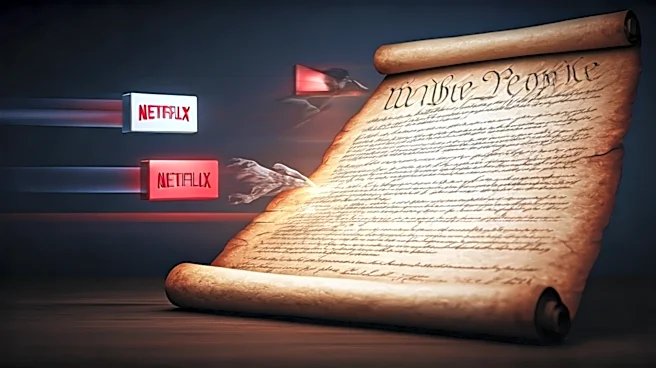










The Patriotism Premium
On paper, a historical drama about the founding of America seems like a guaranteed hit, especially during a major national anniversary. The problem is, that very significance creates a 'patriotism premium.' Expectations are sky-high. These aren't just
TV shows; they're positioned as cultural events. This means studios feel immense pressure to attract A-list actors, hire visionary directors, and launch massive marketing campaigns. Every line item on the budget expands because the project carries the weight of national importance. It’s not enough to make a good show; it has to feel like a definitive, once-in-a-generation spectacle, and spectacles are catastrophically expensive.
The Tyranny of Authenticity
Audiences have become incredibly sophisticated, and historical accuracy is a major selling point. For an America 250 series, getting it wrong isn't an option. But this commitment to authenticity is a budget-killer. We're talking hand-stitched period costumes, historically accurate props, and entire colonial-era towns built from scratch because existing locations won't do. You need historical consultants, dialect coaches, and experts on everything from 18th-century table manners to battlefield tactics. Unlike a fantasy series where you can invent the rules, or a contemporary drama that uses modern settings, history—especially one as scrutinized as America's founding—is a rigid and costly production partner. A single inaccurate detail can spawn a week of negative press, so producers are forced to spend millions just to get the details right, often before a single star has been cast.
The Streaming Wars Paradox
The streaming model that created the boom in high-end television is also part of the trap. In the old broadcast model, a show's success was measured over a long run. Now, a limited series needs to make a massive, immediate splash to justify its existence and prevent subscriber churn. This fuels the need for huge stars and blockbuster production values. Yet, the very subject matter that makes these shows relevant in the U.S. can make them a tough sell abroad. While dramas about the British royal family travel well, a deep dive into the nuances of the Continental Congress may have limited appeal in international markets. This is a huge problem, as global pre-sales and international distribution deals are often crucial for financing nine-figure budgets. The result is a paradox: a show designed for a massive American cultural moment may be too American to succeed on the global stage it needs to pay its bills.
The Politics of Storytelling
Layered on top of the financial pressures is a fraught cultural landscape. The story of America's founding is no longer a simple, universally agreed-upon narrative. Producers face a difficult choice: Do they tell a traditional, heroic story that might feel outdated or exclusionary to some? Or do they embrace a more complex, revisionist take that could alienate a segment of the audience looking for patriotic celebration? The politically charged atmosphere surrounding the America 250 commemorations only complicates this, with federal funding and official support becoming ideological battlegrounds. This creative tightrope walk has real financial consequences, as any choice can shrink the potential audience, making it even harder for these expensive shows to turn a profit and satisfy their investors. The safest path—often a watered-down, middle-of-the-road narrative—is often the least compelling, leaving a series feeling both expensive and dramatically inert.