

Fringe: A Cascade of Liquid Motion
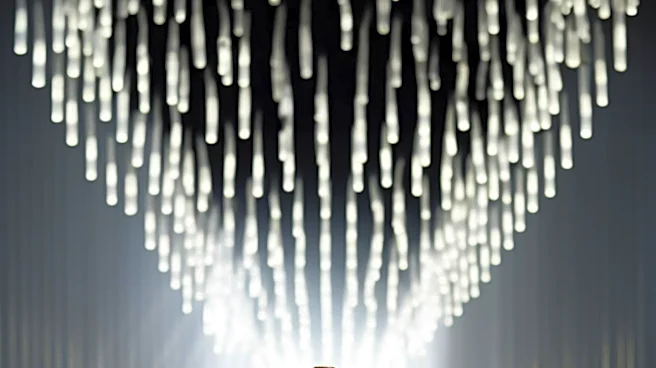
Fringe is the embodiment of energy. Its power comes from physics: dozens or hundreds of individual strands hang loosely, allowing for a compound movement that is both unified and chaotic. When the wearer moves, the strands swing together like a wave,
creating a dramatic, fluid effect. But because each strand is independent, they also separate and sway at different rhythms, adding a layer of complexity. This turns stillness into drama, animating the body with even the smallest motion. Historically, this kinetic quality has been linked to freedom and celebration. Think of the 1920s flapper dress, where fringe accentuated the wild, rhythmic movements of dances like the Charleston, making the garment a participant in the celebration. In the rock-and-roll era, the leather fringe on jackets and vests captured a rebellious, free-spirited energy. Today, designers use fringe more strategically—from beaded strands that catch the light to thick leather strips that add weight and sway—to introduce controlled movement into otherwise structured silhouettes. Whether it’s a subtle trim or a full skirt, fringe makes a garment feel alive, transforming it from a static piece into a kinetic expression.
Feathers: An Ethereal, Floating Grace
Where fringe is energetic, feathers are ethereal. Their movement is a conversation with the air itself. The unique structure of a feather—a central shaft with fine, interlocking barbs—makes it incredibly lightweight and aerodynamic. Instead of swinging heavily with gravity like fringe, feathers catch the slightest breeze, creating a soft, floating, almost weightless effect. This lends garments a sense of otherworldly grace and softness. A dress trimmed with feathers doesn’t just move with the wearer; it seems to hover and breathe on its own, creating a visual that is both delicate and dramatic. Designers have long used this quality to evoke romance, opulence, and fantasy. From the grand feather fans and headpieces of the early 20th century to modern haute couture gowns, feathers signal a level of luxury and artistry. Modern interpretations often use feathers as a minimal accent—a trim on a sleeve or the hem of a skirt—to add a whisper of texture and movement without overwhelming the piece. The result is a garment that feels playful and sophisticated, catching the air and the eye with a gentle, fluttering motion that is impossible to replicate with any other material.
Appliqué: A Sculptural, Guided Path
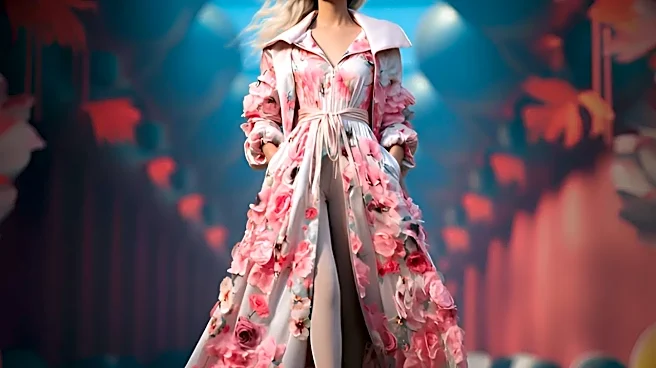
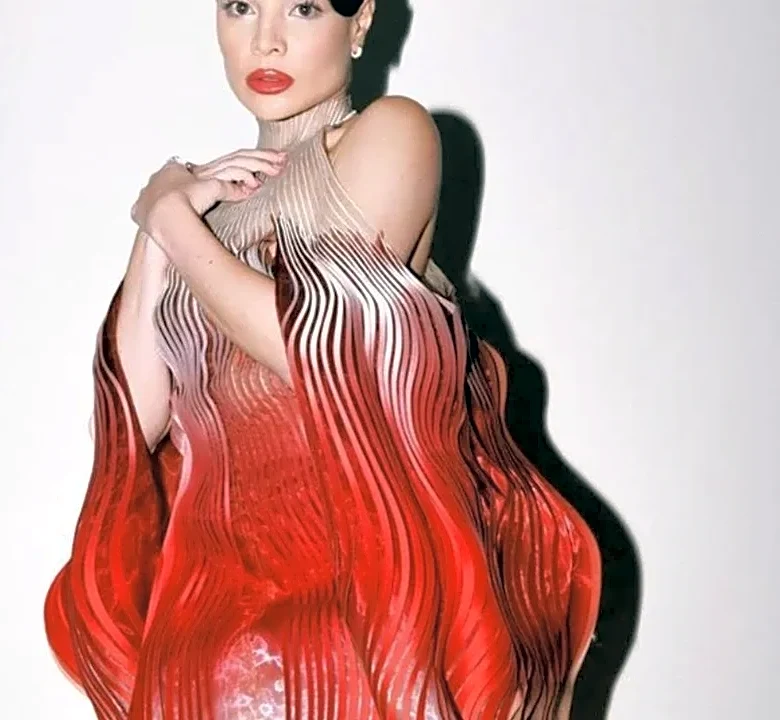
Unlike fringe and feathers, which are designed for independent motion, appliqué is about adding dimension and guiding movement. The technique involves sewing smaller pieces of fabric onto a larger background fabric, essentially creating a layered, textural design. An appliquéd motif doesn't swing or float on its own; its movement is entirely dictated by the drape of the garment it's attached to. So what kind of movement does it create? A sculptural one. As the base fabric—say, the skirt of a dress—moves, the appliquéd shapes move with it, but their added texture and structure catch the light and create shadows in a way the flat fabric cannot. This adds visual depth and a more controlled, intentional form of movement. For appliqué to work, the fabrics must have a similar weight and drape to avoid pulling or stiffening the garment. The effect is less about wild energy and more about enhancing the garment’s existing shape. Think of it as 3D art for textiles; it turns a simple surface into a landscape that changes as the body moves. Appliqué directs the eye and gives the garment a sense of substance and craftsmanship, making its movement a deliberate, artistic statement rather than a free-flowing dance.