






The Home-Field Culture Shift
There's a difference between watching a tournament unfold halfway across the world and having it in your own backyard. The 2026 World Cup, co-hosted by the United States, has already demonstrated this. Fan zones are packed, ratings are soaring, and soccer
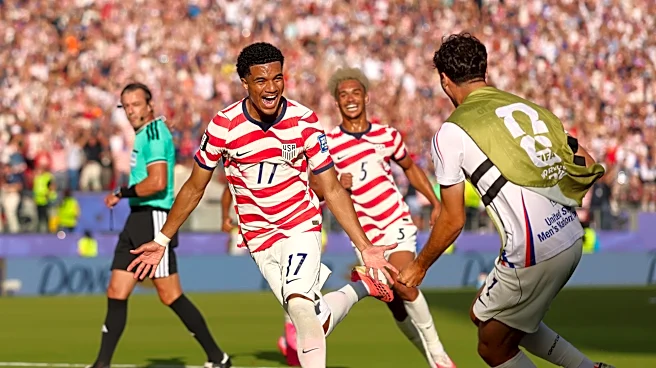
has become a dominant part of the national conversation in a way not seen since the 1994 World Cup. But that was a breakthrough; this is a potential coronation. A deep run by the USMNT under these circumstances doesn't just attract casual fans; it creates a cultural feedback loop. The energy in the host cities, the front-page stories, the viral moments—it all combines to create a sense of national investment that a tournament abroad can’t replicate. A quarterfinal appearance would mean an entire nation, not just its soccer fans, is captivated.
Cracking the 'Big Four' Ceiling
For decades, the American sports hierarchy has been clear: the NFL, NBA, MLB, and NHL reign supreme. Soccer has long been the ambitious challenger, steadily growing its fan base and youth participation. It has surpassed hockey to become the fourth most popular sport, but it has yet to truly disrupt the top tier. A quarterfinal run would be the ultimate disruptor. It would force a recalibration of media attention, sponsorship dollars, and fan allegiance. For a generation of young fans, who already show a higher affinity for soccer than older demographics, a USMNT squad going toe-to-toe with the world's elite would elevate their heroes to the same pantheon as NBA and NFL superstars. It validates soccer not as a growing sport, but as a main-stage American sport.
From Youth Participation to National Passion
The United States is unique in its relationship with soccer; it’s a country where millions play the game but historically haven't watched the domestic league with the same fervor. Youth soccer is a suburban institution, but that participation hasn't always translated into packed stadiums for MLS or massive TV ratings. A World Cup quarterfinal, however, bridges that gap. It shows millions of young players what the absolute pinnacle of the sport looks like, with American faces at the center of it. The USMNT’s roster, with a majority of players having come through the MLS academy system, provides a tangible pathway that didn't exist a generation ago. Success inspires emulation, and a quarterfinal run would transform soccer from just something kids do to something the entire family gathers to passionately watch and celebrate.
The New Financial Reality
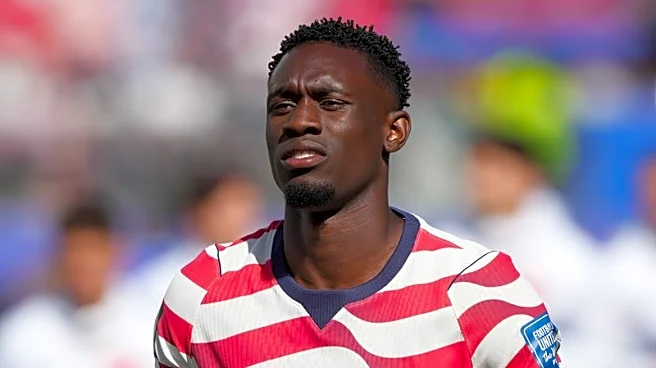
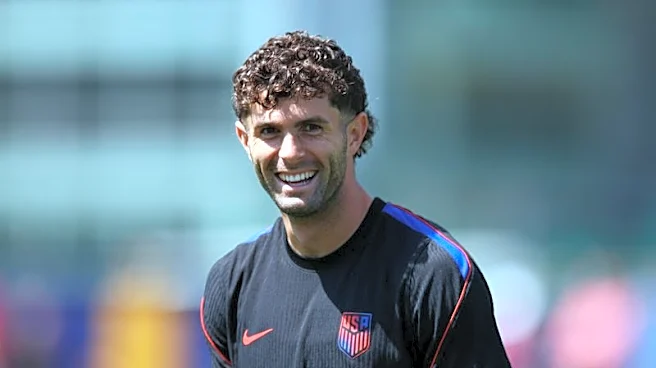
A trip to the quarterfinals isn't just a sporting achievement; it's a massive financial catalyst. Success on this scale, amplified by home-field buzz, would trigger a windfall. Player endorsements would skyrocket, turning athletes like Folarin Balogun and Christian Pulisic into mainstream celebrities beyond the sports world. Media rights for future U.S. Soccer and MLS games would inevitably climb as broadcasters recognize the sport's proven, massive event appeal. Furthermore, it would solidify the U.S. as a core market in the global soccer economy, a status experts believe is within reach. The commercial opportunities, from jersey sales to corporate sponsorships, would expand exponentially, fueling investment back into the sport at every level, from grassroots to the professional leagues.