

The Language of Light and Darkness
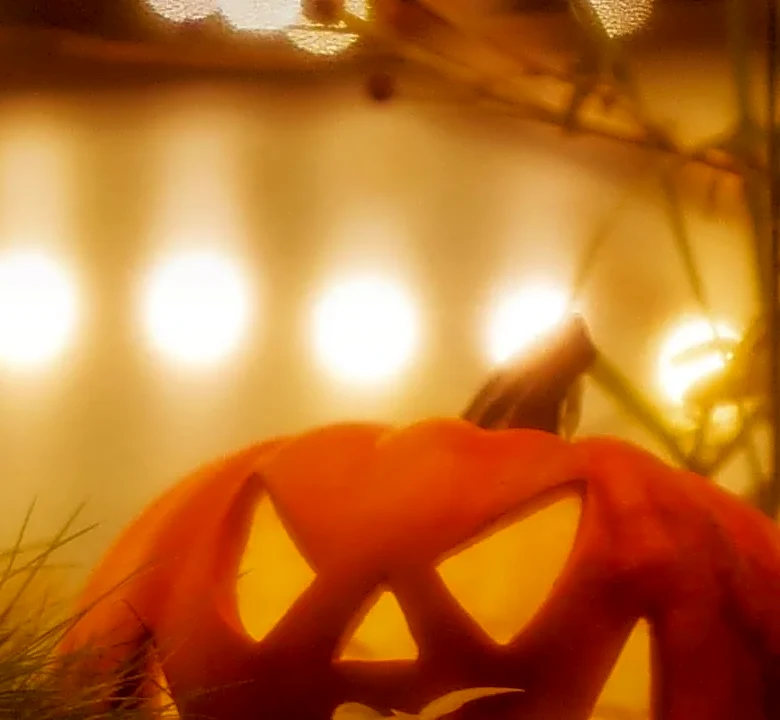
The most powerful tool in a haunted house designer’s arsenal is lighting, or more often, the lack of it. Your eyes are naturally drawn to the brightest point in any space, a biological instinct designers exploit with surgical precision. A single, flickering
bulb down a hallway doesn't just create a spooky atmosphere; it tells you exactly where to walk. Conversely, plunging a corner into absolute darkness hides a waiting scareactor or an exit. Designers use focused pools of light to highlight a specific prop or piece of scenery that advances the story, ensuring you look at the decaying portrait just long enough for a monster to emerge from the shadows beside you. By controlling what you see, they control your focus and your path, all without a single sign. These lighting schemes are meticulously planned to manage sightlines, preventing you from seeing the group ahead and spoiling the next scare.
Sound as a Subtle Shepherd
What you hear in a haunted house is just as important as what you see. Sound design is a constant, subliminal form of guidance. A sudden, loud crash to your left is a brilliant misdirection, making you flinch away and turn right, exactly where the path continues. Designers use a landscape of audio cues—a distant scream, the specific creak of a floorboard, or the unnerving hum of machinery—to draw your attention and pull you deeper into the maze. This environmental audio helps sell the story of the space, but its primary function is often crowd control. A well-placed audio scare can also serve to “reset” a group, startling them into moving forward and preventing the conga line effect that can dilute the experience for everyone. It’s a way of puppeteering the audience without them ever feeling the strings.
Leading with Environmental Storytelling
Every object in an HHN house is there for a reason, and it’s often to guide your movement. The layout of the rooms themselves, with their disorienting twists and blind corners, is the first layer of control. Designers call this environmental storytelling, where the placement of props and scenery tells a story while also directing traffic. An overturned table might block a path that isn't for you, forcing you to navigate around it and toward the intended route. A trail of bloody handprints on a wall doesn't just add to the horror; it subtly points the way forward. The entire maze is built to feel chaotic and confusing, but the path of least resistance is always the correct one. This ensures high throughput, keeping crowds moving safely without sacrificing the feeling of exploration and dread.
The Scareactor as a Traffic Cop
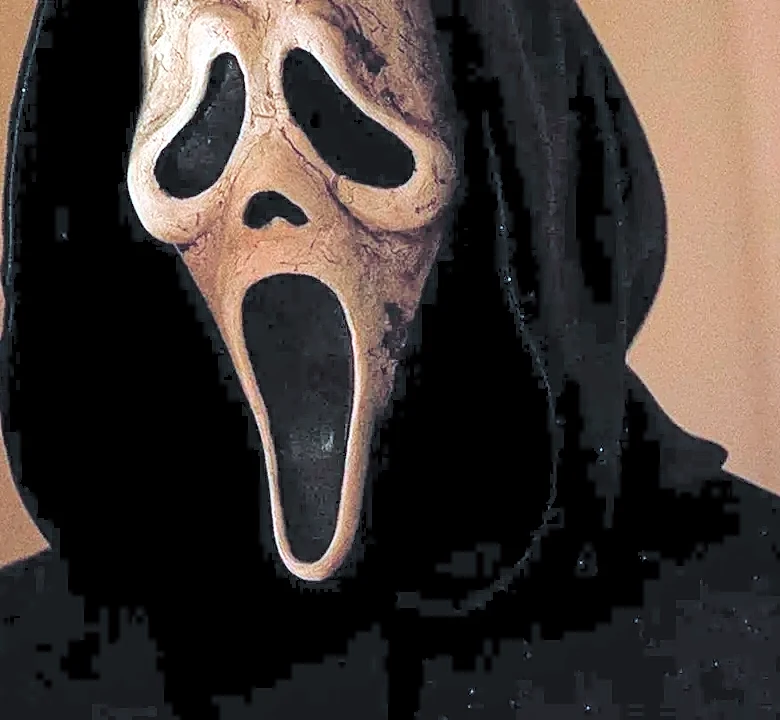
The most dynamic tool for guiding guests is the scareactors themselves. Their performances are not just about getting a scream; they are a crucial part of managing crowd flow. A scareactor lunging from behind or the side is intentionally designed to push the group forward—a strategy known as “scaring forward.” This tactic prevents guests from freezing in place or, even worse, trying to run backward, which can cause dangerous pile-ups. Scareactors are trained to read groups, targeting distracted individuals or those who seem hesitant, giving them the jolt needed to keep moving. They also use their positions to create “resets” between scares or to execute coordinated double scares, where one actor's scare sets up another's. These performers are the final, living layer of the design, ensuring the carefully constructed horror machine runs smoothly all night long.