


A Main Stage Takeover
Not long ago, anime and manga were relegated to a specific corner of the convention hall, a dedicated but separate space. At NYCC 2026, that separation is a distant memory. Anime isn't just present; it's a headliner. Crunchyroll, a dominant force in anime streaming,
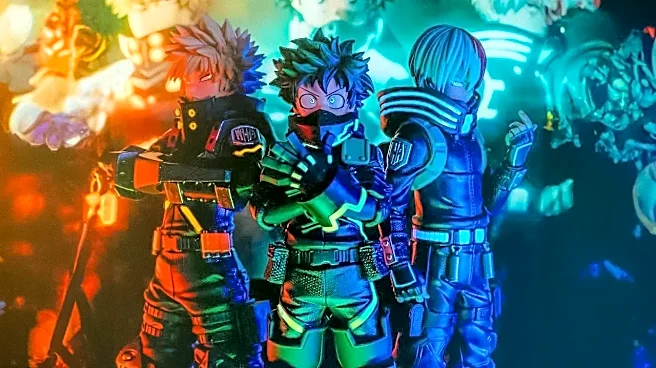
held a massive showcase teasing new seasons of blockbuster shows like The Apothecary Diaries and the long-awaited return of Black Clover. These weren't side-room panels; they were major events on par with announcements from Marvel or DC. Adding to the spectacle, VIZ Media and Studio Pierrot organized a huge panel for the legendary Naruto franchise, flying in the original Japanese voice actors to tease a new limited series directly to the U.S. audience. This signals a strategic shift: major anime news is no longer just a Tokyo-based affair. Western conventions have become central to global launch strategies, a clear sign of anime's cemented place in the American mainstream.
The Cosplay Melting Pot
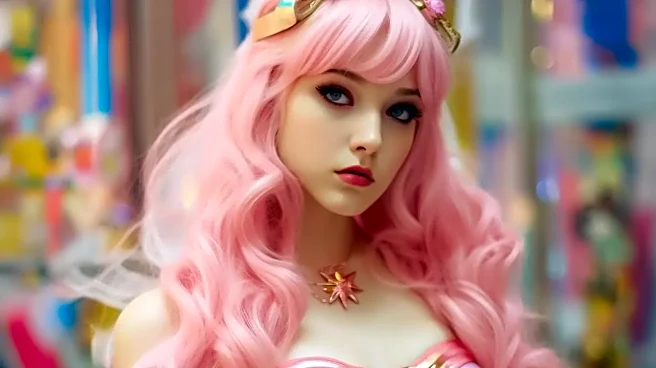
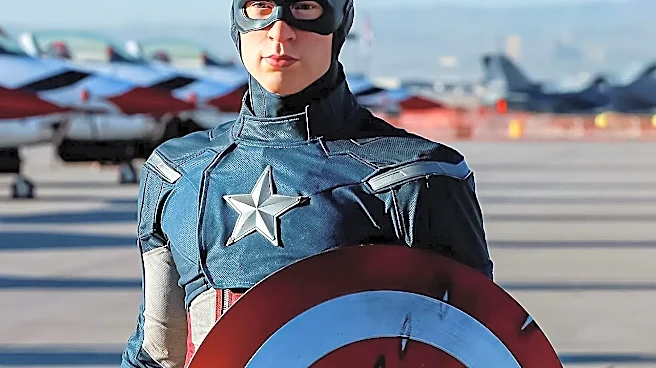
Nowhere is the cultural fusion more visible than in the sea of fans themselves. The convention floor is a living testament to the overlap, where a cosplayer dressed as Batman might be taking a selfie with someone in a painstakingly crafted costume from Sentenced to be a Hero. This year, the trend of creative mashups is more pronounced than ever. You might see a Japanese-inspired, samurai-style Captain America or a version of Spider-Man that looks like he stepped out of a cyberpunk anime. These fan-made creations are more than just clever costumes; they are a form of dialogue between cultures. Fans are no longer pledging allegiance to a single origin of pop culture. Instead, they are celebrating a shared aesthetic language, pulling inspiration from a global library of characters and art styles. The result is a vibrant, hybrid fandom where all icons are welcome.
Creators Without Borders
This blending of styles extends beyond the fans to the creators themselves. VIZ Media’s “Future Superstars of Manga” panel highlighted Western creators like Samuel Sattin working within the manga format, demonstrating that the art form is now a global medium, not a regional one. Furthermore, the convention schedule was packed with panels featuring both Japanese and English voice actors for the same show, such as the session for Black Clover with Gakuto Kajiwara and Dallas Reid. This collaborative spirit shows a mutual respect and a recognition that these properties belong to a worldwide community. The presence of Japanese producers and authors on NYCC’s biggest stages, here to engage directly with American fans, reinforces the idea that the creative pipeline is now a two-way street. Inspiration flows freely across oceans, leading to new stories that feel both familiar and refreshingly different.
The Business of Belonging
Ultimately, this cultural shift is powered by accessibility and industry investment. Streaming platforms have made anime an integral part of the American entertainment diet. In a pre-convention forum, Crunchyroll's president noted that anime's cultural relevance is now central to the global entertainment industry, a fact backed by their massive booth and premiere-packed schedule. This isn't just a grassroots fan movement; it's a reflection of a market that has fully embraced these properties. Companies are pouring resources into conventions like NYCC because they recognize that the audience for Dragon Ball and The Avengers is often the same. The convention itself, now in its 20th year, has evolved from a comic-centric show to a broad pop culture festival where anime is a key pillar, not an afterthought.