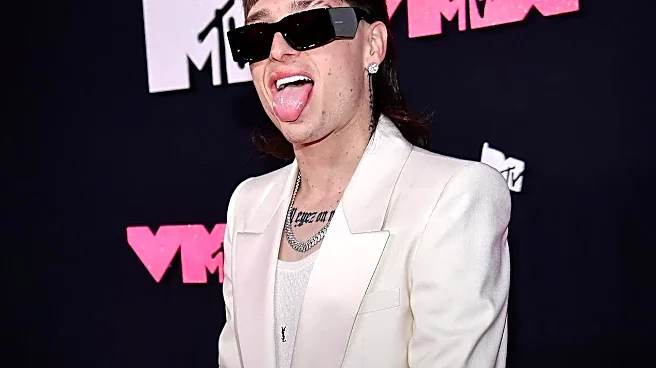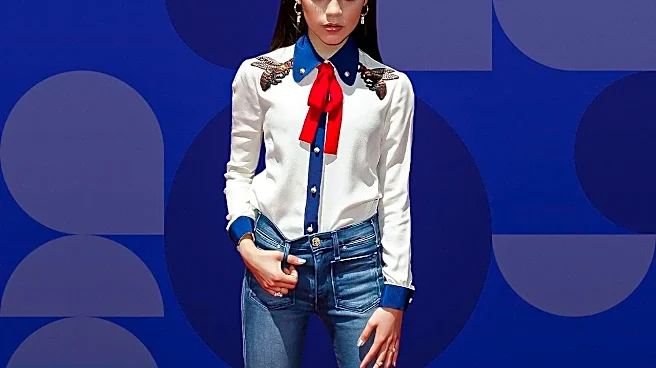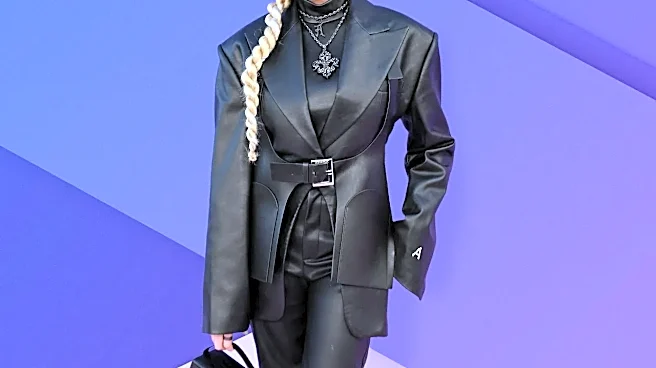


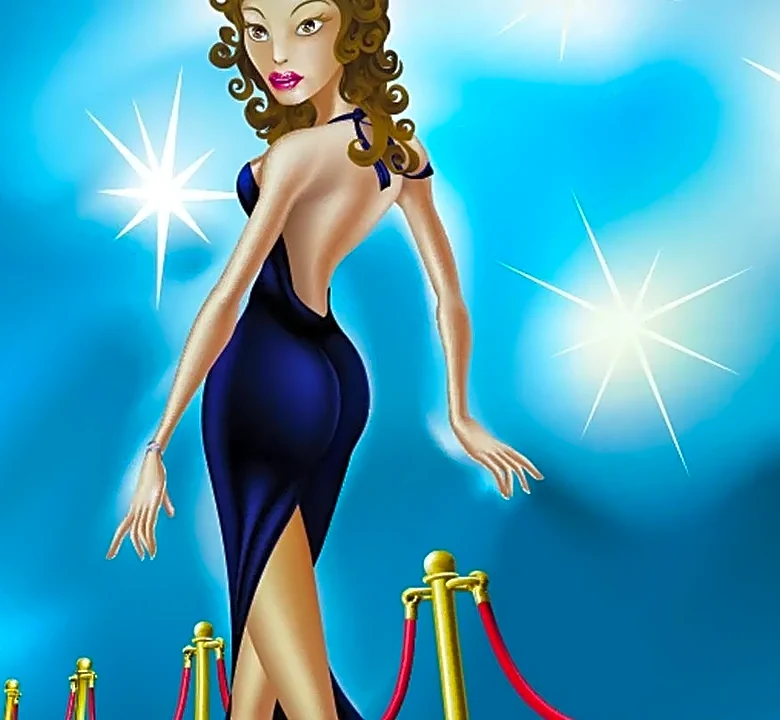
The MTV VMA red carpet is a masterclass in controlled chaos—a flashbulb-lit runway where fashion statements are born. But behind every jaw-dropping look is a stylist fighting a two-front war: creating an outfit that captivates from every angle.
The Two-Front Fashion War
Every red
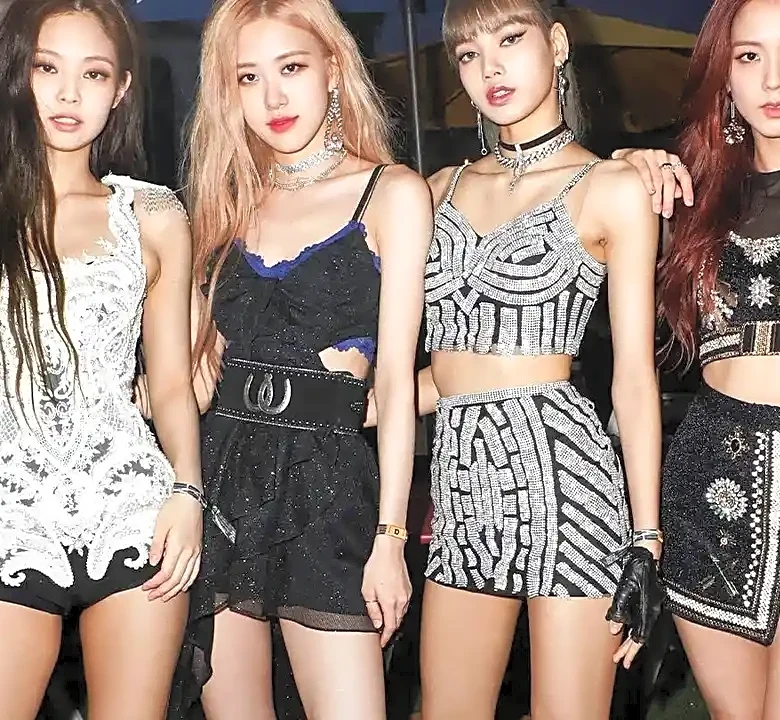
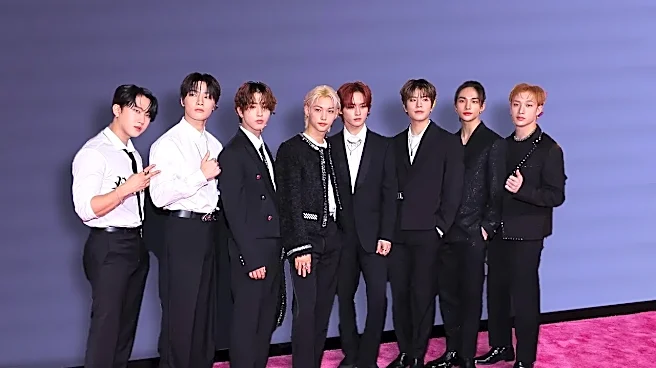
carpet look is a calculated masterpiece designed for two distinct audiences: the wide camera shot and the intimate close-up. For a stylist, this means an outfit must first make an immediate, powerful impression from 50 feet away—the full-body shot that defines the initial reaction. Then, it must hold up under the intense scrutiny of a high-definition camera just inches from the face, revealing details in jewelry, makeup, and fabric that the long shot completely misses. It's a delicate balance between a billboard and a miniature portrait, and mastering both is the true art of red carpet styling.
Winning the Long Game: The Full-Body Shot
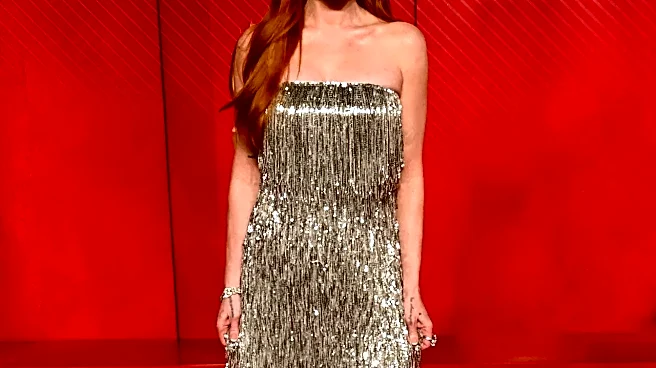
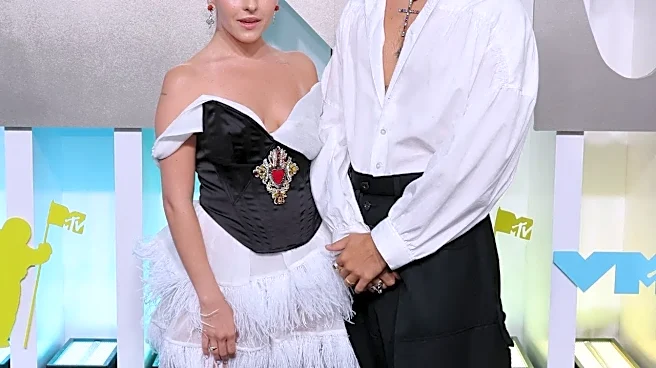
The full-body shot is all about instant impact and a clear silhouette. Think of it as the look's thesis statement. Stylists focus on bold color choices that won't get washed out by camera flashes, and silhouettes that create a memorable shape against a chaotic background. This is where you see dramatic trains, exaggerated proportions, or form-fitting gowns that create a distinct, unbroken line. The goal is for the outfit to be 'readable' at a distance. At the VMAs, an event known for its fearless fashion, this often translates to more experimental and avant-garde shapes that might not fly at the more traditional Oscars. It’s about creating a moment that’s immediately identifiable and stands out in a sea of other stars.
The Devil in the HD Details
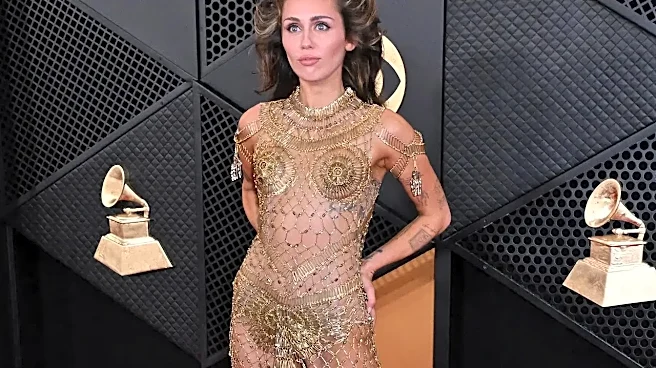
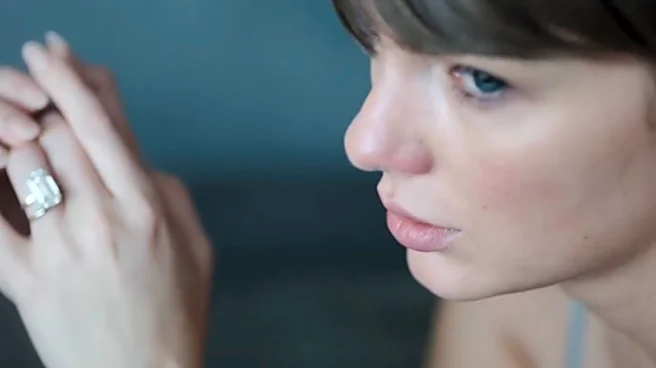
Once the celebrity steps up to an interviewer, the battlefield shifts. The close-up shot, typically from the chest up, is where the micro-details have to shine. This is the realm of intricate beadwork, flawless makeup, and statement jewelry that frames the face. Stylists work closely with hair and makeup teams to ensure a cohesive story. A bold earring, an ornate neckline, or even elaborate nail art becomes a focal point. These details are often lost in a full-body photo but are essential for conveying luxury and completeness in an interview segment or a portrait. The choice of fabric also becomes critical; a material that looks great from afar might appear cheap or unflattering up close.
The VMA Wildcard Factor
Unlike the stately elegance of the Academy Awards, the VMAs are fashion's playground, and that changes the entire styling strategy. The event's history is built on provocative and memorable outfits—think Pamela Anderson's furry hat or Lil' Kim's purple jumpsuit. This gives stylists and their clients permission to be more playful, irreverent, and daring. They can experiment with sheer fabrics, unconventional materials, and looks that prioritize personality over classic glamour. For the VMAs, a look isn't just about being beautiful; it's about being talked about. The dual focus on full-body and close-up remains, but it's filtered through a lens of high-impact, pop-culture-defining energy.
The Unseen Toolkit of Tricks
Beyond the creative vision, stylists are logistical geniuses armed with an arsenal of practical tools. Perfect tailoring is non-negotiable; a seamstress is often on hand for last-minute alterations to ensure a flawless fit. Double-sided wig tape is a stylist's best friend, used to keep plunging necklines and daring slits perfectly in place. There's also the matter of endurance. The outfit must not only look good but also be comfortable enough for a star to wear for hours. Stylists have to consider everything from the event space—a crowded room is no place for a massive train—to whether the client can sit down without causing a wardrobe malfunction. It’s a job that’s as much about engineering as it is about aesthetics.