








The Opponent You Can't See
Let’s be clear: hosting a global soccer tournament in Houston in June is an audacious move. This isn't just a little summer warmth; it's a wall of subtropical heat. Daily temperatures regularly push past 95 degrees, but it’s the humidity that truly catches
visitors off guard, creating a “feels like” heat index that can soar to 105 or 110 degrees. For elite athletes, performing in such conditions isn't just difficult, it’s dangerous, risking heat exhaustion and severe dehydration. For the millions of fans descending on the city, many from cooler climates, the health risks are just as serious. This isn't a problem that can be solved with a few water breaks; it requires an engineering solution on a Texas-sized scale.
An Engineering Masterpiece
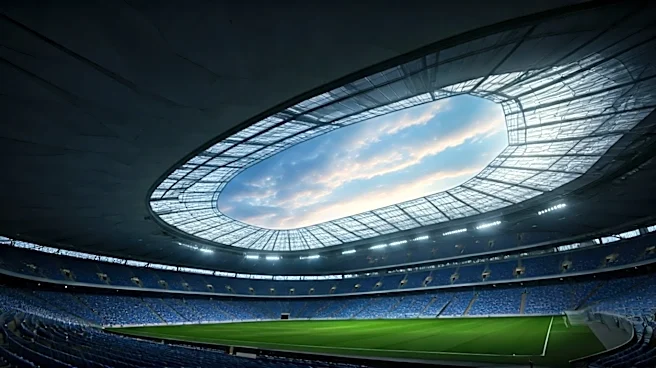
Enter NRG Stadium. Opened in 2002, it was the NFL venue to feature a fully retractable roof, a design marvel that allows it to operate as either an open-air venue or a completely enclosed arena. The roof, two massive panels gliding on rails, can seal the stadium from the elements in about seven minutes. This feature is not a gimmick; it’s the stadium’s core identity, built specifically to tame Houston's unpredictable weather. For the World Cup, there is no debate: the roof will be closed for every single match. This decision turns the 72,000-seat stadium into a sealed, climate-controlled sanctuary, making it one of the very few host venues in North America where heat is a non-issue once you’re inside.
The Billion-Dollar Air Conditioner
Closing the roof is only half the battle. The real MVP is one of the most powerful and aggressive air-conditioning systems in any American stadium. This system is designed to combat the heat generated by 72,000 fans plus the intense Texas sun beating down on the structure. Inside, players will compete on a brand-new natural grass pitch, specially grown in Colorado and installed just for the tournament, complete with a sub-air system to keep it healthy. The stadium’s translucent roof fabric even allows natural light to filter through without the associated heat, keeping the pitch alive. For players and fans alike, the conditions inside the bowl will be near-perfect, a stark contrast to the oppressive climate just beyond the stadium doors.
The World Outside the Bubble
Houston’s climate-controlled stadium is an incredible solution, but it has its limits. The perfect, cool air stops at the exit turnstile. This is the lingering question for Houston's World Cup experience. The journey to and from the stadium, the outdoor fan festivals, and simply exploring the city all happen in the very heat the stadium is designed to defeat. Reports have already surfaced of dozens of people needing medical treatment for heat-related illness at the city’s outdoor Fan Fest. Organizers have added misting stations and shade areas, but officials have also urged fans to take personal responsibility for hydration. This creates a tale of two tournaments: a pristine, comfortable experience inside the billion-dollar dome, and a potentially hazardous one for anyone enjoying the festivities outside of it.