





The Case for the Rom-Com: Comfort and Connection
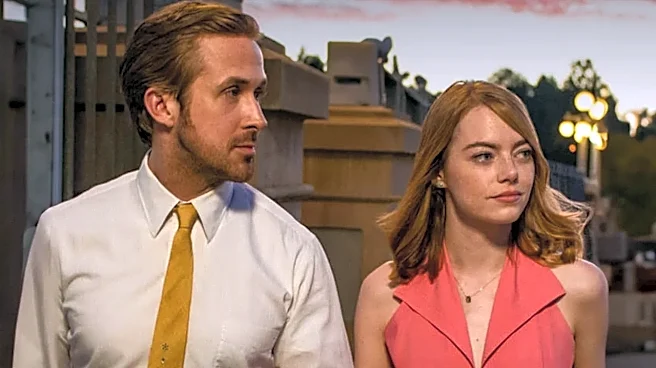
The romantic comedy is the classic date-night default for a reason. It’s a low-risk, high-reward proposition. The stakes are almost always personal, not life-or-death, creating a relaxed atmosphere perfect for getting comfortable. You’re signing up for a journey
with a guaranteed feel-good destination. The gentle humor and relatable (if often highly improbable) romantic scenarios provide easy fodder for post-movie conversation. Did you like the main couple? Was that grand gesture romantic or cheesy? It’s a shared experience designed to generate warmth and lighthearted debate, setting a positive, optimistic tone for the rest of the evening. There are no nightmares to contend with, only the sweet, manufactured glow of on-screen love.
The Downside: Predictability and Unrealistic Standards
Of course, the rom-com’s greatest strength can also be its weakness. The formula is so established that it can sometimes feel stale or predictable. If you and your date have seen your fair share of meet-cutes and last-minute airport dashes, the experience might feel less like a fun discovery and more like checking boxes. More importantly, some find that the picture-perfect resolutions and flawless romantic partners of the rom-com world can set unrealistic expectations for real-life relationships. If the goal is genuine connection, watching a genre that often papers over the messy, complicated parts of love might not feel as authentic as you'd hope.
The Case for the Thriller: The Bonding Machine
Here’s where science enters the chat. Choosing a thriller or horror movie might seem counterintuitive for romance, but it has a secret weapon: misattribution of arousal. This psychological phenomenon suggests that the physiological symptoms of fear—a racing heart, sweaty palms, a jolt of adrenaline—are similar to the feelings of romantic arousal. When you experience that fear-induced adrenaline rush while sitting next to your date, your brain can unconsciously relabel that excitement as attraction to the person you're with. Beyond the brain chemistry, there’s the simple physical reality. Scary movies are a socially sanctioned excuse to get closer, offering a protective arm or sharing a blanket. It fosters a sense of being a team against the on-screen threat and creates moments of shared vulnerability that can build intimacy.
The Risk: When a Scare Is Just a Scare
The thriller strategy comes with a significant disclaimer: it only works if both parties are genuinely on board with being scared. For someone who dislikes horror or is highly empathetic, the tension and anxiety produced by a thriller aren't fun—they’re just stressful. If one person is hiding their eyes and miserable while the other is having a great time, you’re not creating a shared bond; you’re creating an uncomfortable ordeal. The misattribution of arousal theory falls apart if the primary emotion isn't thrilling excitement but genuine distress. Pushing a thriller on an unwilling date is a quick way to kill the mood entirely, proving that a racing heart from anxiety feels very different from one fluttering with attraction.
The Verdict: Know Your Audience
So, which is the better pick? The truth is, neither genre is inherently superior. The perfect date-night movie isn't about a universal formula, but about a specific audience: the two of you. The rom-com is a safe bet, designed for comfort and easy smiles. It says, “Let’s relax and feel good together.” The thriller is a higher-risk, higher-reward option that can create a powerful sense of closeness if the vibe is right. It says, “Let’s share an intense experience.” The most romantic gesture isn’t picking the “right” genre, but being considerate enough to ask, “What are you in the mood for?” A conversation about what you both want to watch will always be a better starting point for connection than a guess.