

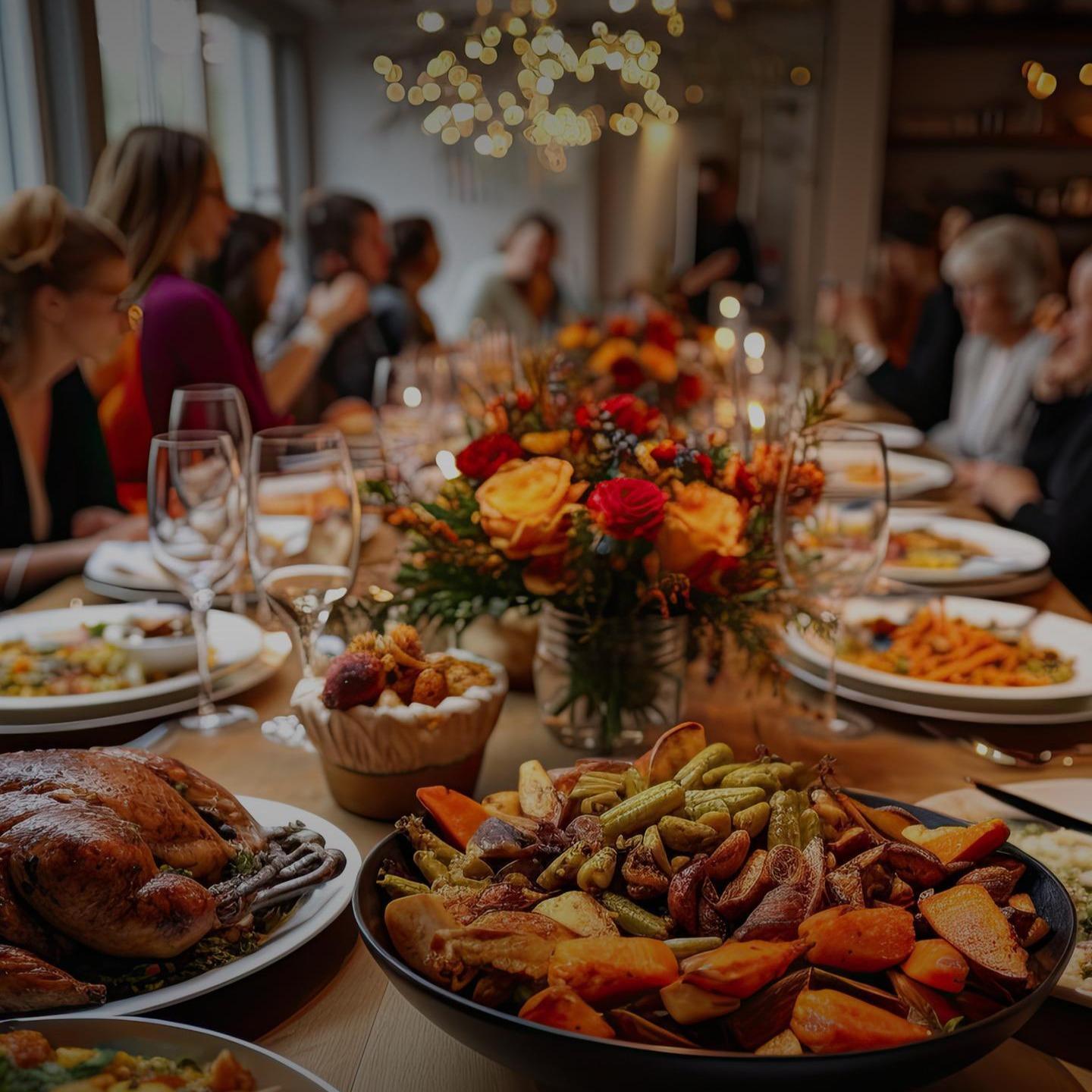


The Thanksgiving dinner table is a perfect setting for chaos: clashing personalities, culinary disasters, and decades of family tension. Animated films capture this brand of mayhem beautifully, and the secret ingredient is the storyboard.
The Blueprint for Laughter
Before a single
frame of an animated movie is rendered, its every moment is planned out in a series of drawings that look like a comic strip. This is the storyboard, and for a comedy, it’s where the jokes are born. Storyboard artists are tasked with translating a script into a visual sequence, planning every camera angle, character pose, and gag. It’s a crucial, cost-effective step where artists and directors can test what’s funny and what’s not. Is a joke funnier as a wide shot showing everyone’s reaction, or a sudden close-up on a horrified face? The storyboard provides the answer long before the expensive animation process begins.
Turning Up the Volume with Exaggeration
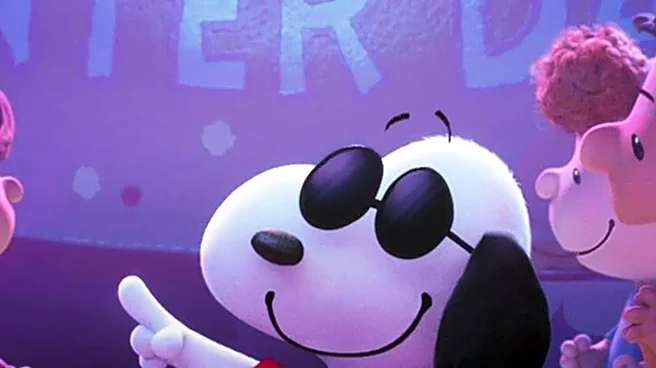
Real-life Thanksgiving awkwardness is funny, but animation gives artists license to push it into the realm of the absurd. The storyboard is where they experiment with that exaggeration. Think of the unconventional meal in 'A Charlie Brown Thanksgiving', where the 'feast' consists of toast, popcorn, and jelly beans. The humor comes from the gap between expectation and reality. Story artists sketch out these gags, figuring out the most effective visual. In 'Free Birds', two turkeys travel back in time to get their kind off the Thanksgiving menu, an inherently comedic and exaggerated premise. The storyboards for these scenes allow artists to amplify reality for maximum comedic impact, like a food fight that escalates into a full-blown battle or a turkey carving that resembles a slapstick action sequence.
The Art of Comedic Timing and Pacing
Comedy is all about timing, and in animation, timing is planned at the storyboard stage. Artists decide how long to hold on a shot, when to cut, and how to build and release tension for a punchline. Imagine a scene where the family cat is about to steal the turkey. The storyboard artist will draw panels that create a rhythm: a shot of the cat eyeing the bird, a close-up of its paw slowly extending, a shot of the oblivious family, and then the sudden action of the theft. This sequence, planned frame by frame, ensures the joke lands perfectly. TV shows like 'Bob's Burgers' are masters of this, using rapid cuts and specific character poses—all worked out on the board—to heighten the humor of Bob's holiday-induced stress.
Staging Characters for Maximum Contrast
Much of Thanksgiving humor comes from character dynamics—the grumpy uncle, the over-eager new boyfriend, the exhausted host. Storyboards are where these personalities are visually staged for comedic effect. An artist might frame a tiny, furious grandmother next to a hulking, oblivious teenager to create a funny visual contrast. They can ensure an angsty teen’s eye-roll is perfectly timed to counter a parent’s cheerful speech. Clear poses and silhouettes are key; the audience should understand a character's emotion and intent from their pose alone. This visual shorthand, perfected in the storyboard, is what makes the characters' interactions instantly readable and relatable, turning a simple dinner scene into a masterclass in character-driven comedy.