







Myth: Rose Gold Isn't 'Real' Gold
This is the most common misconception. Many shoppers assume that because it's not yellow, it must be a lesser, or even fake, version of gold. The reality is that almost no jewelry is made from 100% pure, 24-karat gold, which is too soft for everyday wear.
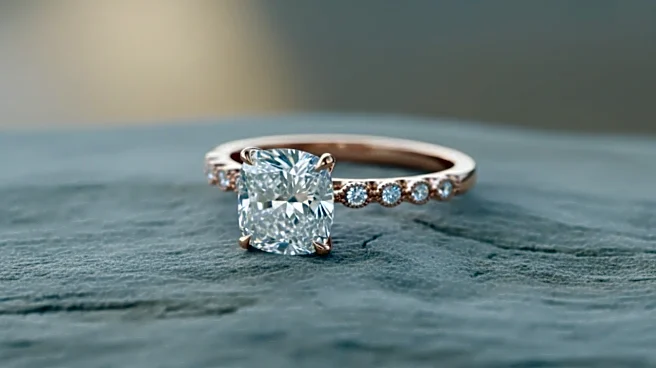
All gold used in jewelry is an alloy, meaning it's mixed with other metals for strength and durability. Rose gold is very much real gold; it's simply an alloy that gets its signature pinkish color from a purposeful blend of pure yellow gold, copper, and sometimes a hint of silver. An 18k rose gold ring and an 18k yellow gold ring contain the exact same amount of pure gold: 75%. The only difference is the other 25% of metals used in the alloy.
Myth: Its Value Is Different From Yellow Gold
It's easy to assume that the trendy color might come with a higher price tag, or conversely, that it's a cheaper alternative. In truth, the value of a piece of gold jewelry is determined almost entirely by its gold content (its karat weight), not its color. Since the primary alloy in rose gold is copper—a relatively inexpensive metal—rose gold jewelry of the same karat weight as yellow gold is often priced similarly, and sometimes can even be slightly more affordable. For example, a 14k rose gold piece and a 14k yellow gold piece both contain 58.3% pure gold, and their intrinsic value is therefore nearly identical. Any price differences you see at the counter are typically due to brand, design complexity, or current market demand, not the color of the gold itself.
Myth: All Rose Gold Looks the Same
Just as there are different shades of yellow gold, the color of rose gold can vary significantly. The final hue all comes down to the recipe. A higher copper content results in a deeper, redder tone, sometimes called "red gold." A formula with less copper and a bit more silver will produce a lighter, softer pink shade often called "pink gold." The karat weight also plays a major role; 14k rose gold generally has a more intense pink color because it contains a higher percentage of copper alloy (around 42%) compared to 18k rose gold (which has 25% alloy). This means a buyer can choose a shade that best complements their skin tone or personal style.
Myth: It Will Tarnish or Fade Over Time
Unlike cheap costume jewelry that can turn your skin green, high-quality solid rose gold will not tarnish in the traditional sense, nor will its color fade. The pink hue is integral to the metal itself; it's not a coating that can wear off. However, over many years, the copper component in the alloy can react with oxygen and deepen in color, developing a slightly darker, richer patina. Many people find this subtle change desirable, as it gives the piece a unique, vintage character. This is a slow, natural process, not the unsightly green or black tarnish you see on silver or brass. With regular, simple cleaning, rose gold will maintain its beautiful luster for a lifetime.
Myth: It's Less Durable Than Yellow Gold
This one gets it completely backward. Because its primary alloy is copper, rose gold is actually more durable and scratch-resistant than both yellow gold and white gold of the same karat. Copper is a very robust metal, and mixing it with gold creates a surprisingly strong final product. This makes rose gold an excellent choice for pieces that are worn daily, like engagement rings and wedding bands. For instance, 14k rose gold, with its higher percentage of copper, is tougher than 18k rose gold, making it a particularly practical option for those with an active lifestyle.
Myth: Rose Gold is Just a Modern Trend
While it has certainly seen a massive surge in popularity in the 21st century, rose gold is far from new. It first appeared in the early 19th century in Russia, where it was originally dubbed "Russian Gold." The famed jeweler Carl Fabergé used it in his elaborate eggs for the Tsars, giving the metal its first taste of luxury status. It gained favor again in the opulent 1920s and saw another resurgence during the 1940s when platinum was restricted for military use during World War II. Its current popularity is just the latest chapter in a long and rich history.