

The End of the String Bikini Era?
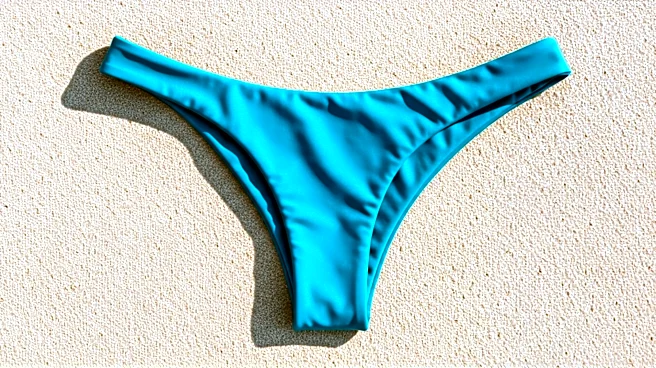
Let’s be clear: the classic triangle top and itsy-bitsy bottoms aren’t disappearing entirely. But for the first time in a long while, they aren’t the only story. Fashion-forward swimwear is getting a serious upgrade in construction. Think of it as the difference
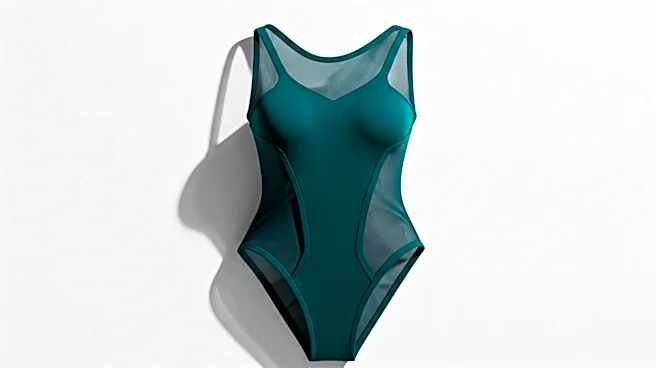
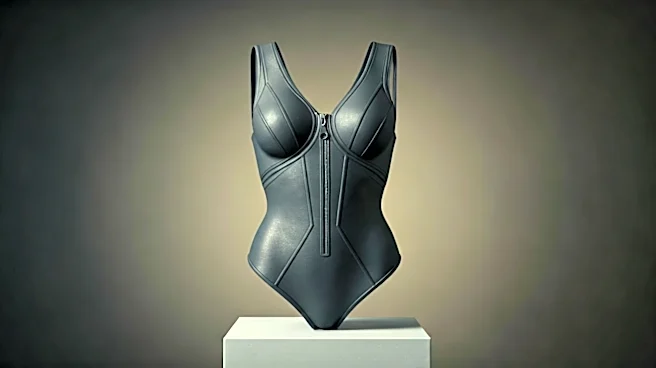
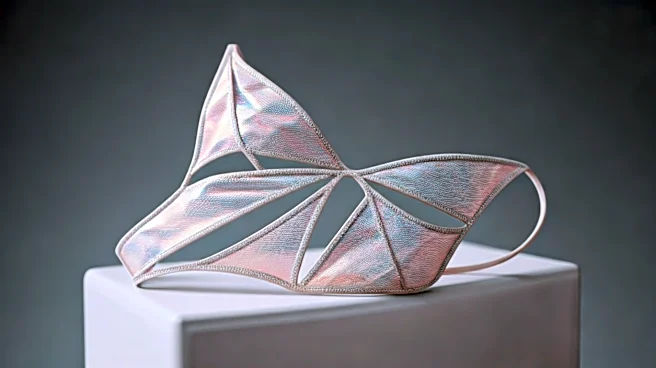
between a simple slip dress and a tailored blazer. On runways from Miami to Milan, designers are showcasing one-pieces and bikinis that feel more engineered than improvised. These aren't your average poolside suits; they feature high-necklines with functional zippers, scuba-inspired seams that contour the body, and strategically placed panels of mesh or contrasting colors that create a powerful, graphic silhouette. This move towards 'architectural swimwear' is a deliberate choice, reflecting a broader desire for substance and design integrity over simple exposure.
The 'Athleisure' Effect Hits the Water
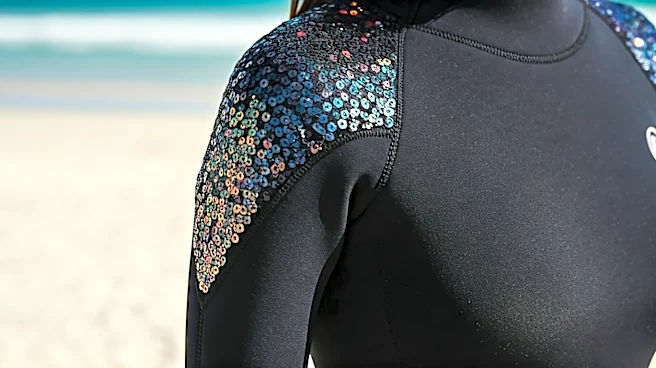
If your swimsuit now looks like it could double as gear for an Olympic water sport, you can thank the enduring power of athleisure. The lines between gym wear, street style, and now, swimwear, have completely blurred. Zippers, for instance, are borrowed directly from the world of wetsuits and performance jackets. They add a sporty, functional edge while also offering practical benefits, like adjustability and easier wear. Similarly, the pronounced, often top-stitched seams are reminiscent of high-end leggings and sports tops, designed to support and move with the body. This isn't just about looking athletic; it’s about incorporating the *feeling* of performance and empowerment into what was once a purely decorative garment. It’s swimwear that works as hard as it looks.
Sculpt, Shape, and Support
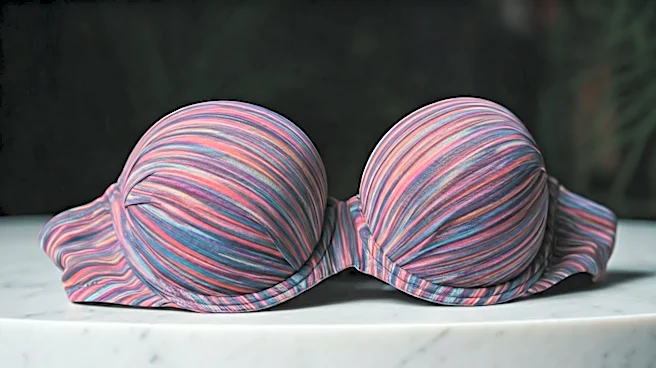
Beyond the athletic aesthetic, there’s a powerful story here about confidence and form. The rise of structured swimwear is directly tied to a demand for pieces that sculpt and support the body. Unlike a barely-there string bikini, these suits use design to create a desired shape. Color-blocked side panels can create the illusion of a more defined waist. Vertical seams elongate the torso. Built-in boning or robust, seamed cups offer support without the need for traditional underwire. In a way, it’s a more inclusive and body-positive approach. Instead of asking the body to conform to the suit, the suit is designed to celebrate and enhance the body. It’s a shift from revealing skin to revealing confidence, using clever construction to make the wearer feel secure and powerful.
A Nod to Quiet Luxury
This trend also taps into the 'quiet luxury' movement. A meticulously crafted swimsuit with perfect seams and a high-quality zipper speaks volumes without shouting. It suggests an appreciation for craftsmanship, materials, and design over flashy logos or overtly sexy cuts. Think of brands like Eres, known for their timeless, structured suits, or the recent collections from Hermès and Tory Burch that feature sophisticated, paneled designs. These pieces are investments. They're designed to last more than one season, both in terms of durability and style. The focus on panels and seams is a way for designers to showcase their technical skill, turning a simple swimsuit into a piece of wearable art. It says you value design, not just a day at the beach.