


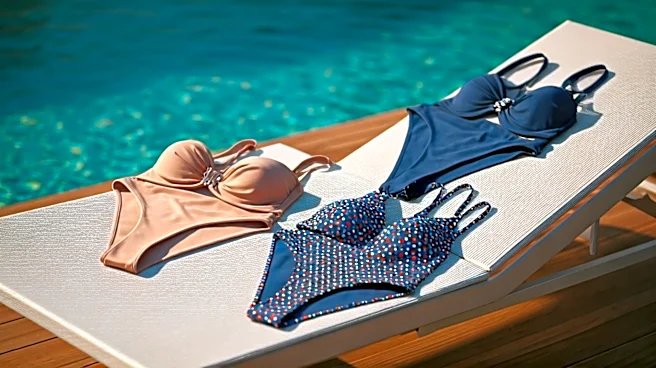
The Power of One Thoughtful Choice
The secret isn't about adding more—more straps, more cutouts, more color. It’s about the power of a single, deliberate detail that gives an otherwise simple garment a point of view. This is the core principle that separates 'editorial' or 'designer' minimalism
from just plain 'basic.' A basic piece is defined by what it lacks: no frills, no pattern, no fuss. But a minimalist piece is defined by what it *has*: one perfect, intentional element that serves both a functional and an aesthetic purpose. It’s the difference between a blank canvas and a canvas with a single, perfectly placed brushstroke. That stroke isn't decoration; it *is* the art. In swimwear, this manifests as a detail that feels architectural, considered, and integral to the design, transforming simplicity into a statement.
The Architectural Hardware
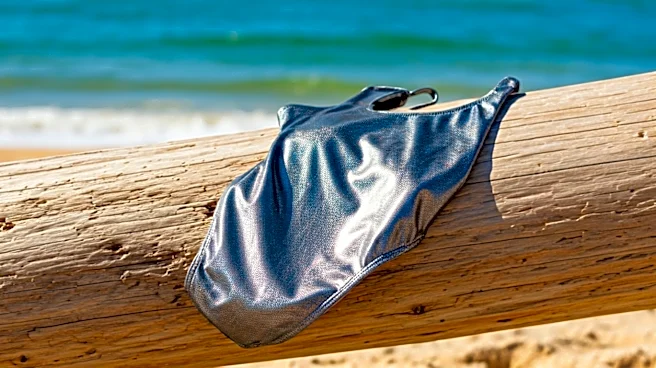
When you think of hardware on swimwear, you might picture the cheap, shiny gold rings that tarnish after two dips in the pool. That’s not what we’re talking about. The key detail is often a piece of hardware that feels more like sculpture than jewelry. Think of a matte-black U-shaped wire separating the cups of a bikini top, a weighty, brushed-metal clasp at the back of a halter, or a geometric slider on a strap. This hardware is almost always functional, providing support or a fastening point. But its shape, finish, and placement are so considered that it becomes the focal point. It draws the eye and gives the suit a sense of structure and permanence. It says, 'I wasn't an afterthought; the entire suit was designed around me.' Brands like Matteau and Jade Swim master this, using unique hardware to anchor their clean, modern silhouettes.
The Asymmetric Silhouette
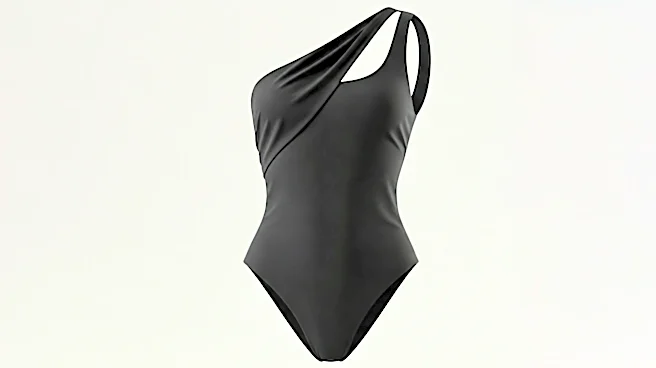
Another way this principle comes to life is through asymmetry. A one-shoulder swimsuit is the perfect example. The design isn’t about adding a second strap and then taking it away; the entire pattern is engineered to work with a single point of support. This creates a clean, diagonal line that is both dynamic and incredibly elegant. It forces the fabric to drape and cling in a specific, flattering way. The asymmetry *is* the design. You might also see this in a subtly twisted front on a bandeau top or a swimsuit that wraps across the body in an unexpected way. It’s a detail that doesn’t shout, but it fundamentally changes the form of the garment and how it interacts with the body, elevating it far beyond a standard tank or triangle top.
The Subtlety of Texture
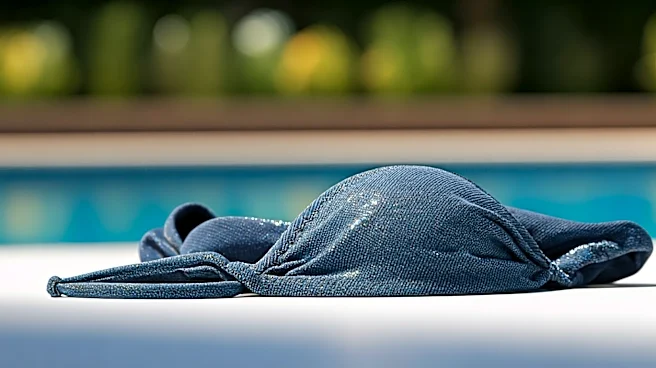
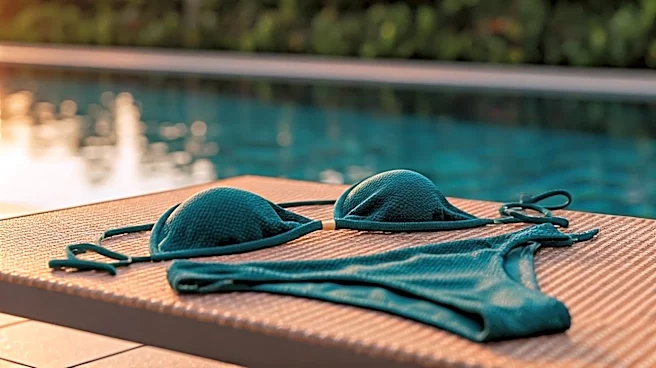
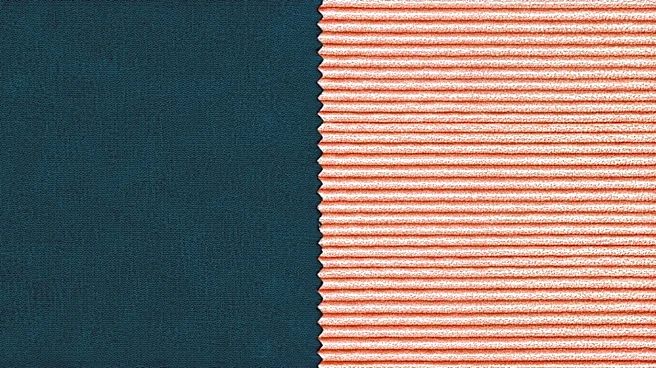
Sometimes, the detail isn't an object or a cut, but the fabric itself. While a basic swimsuit is often made of a flat, smooth nylon-spandex blend, a minimalist piece might use texture to create depth and a luxe feel. The most famous example is the crinkle or seersucker fabric popularized by brands like Hunza G. The material’s inherent texture does all the work. It stretches to fit a range of body types while creating a visually interesting surface that catches the light in a subtle way. A fine-gauge ribbing can have a similar effect, adding a hint of verticality and a soft, tactile quality. In these cases, the texture is not a pattern printed on top; it's woven into the very DNA of the fabric. It’s a quiet, confident detail that signals quality without needing any other embellishment.