

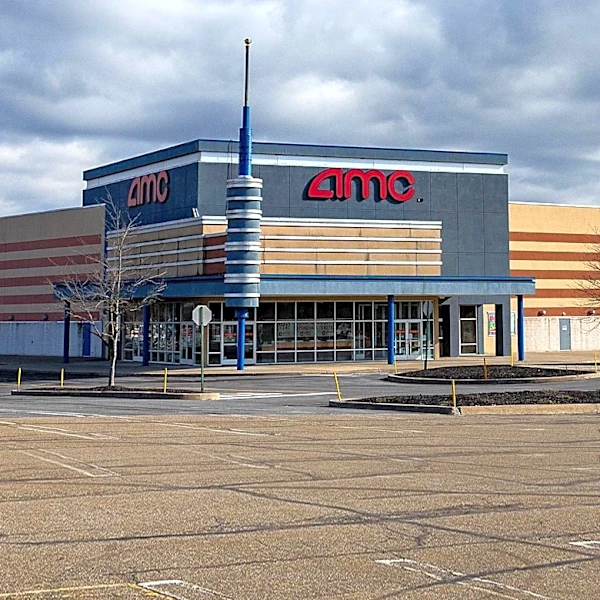







The Halloween Paradox for Theaters
For a movie theater manager, Halloween presents a peculiar challenge. While the holiday is thematically perfect for scary movies, it’s also a night filled with competing social events. Parties, trick-or-treating, and other festivities mean that, unlike
a typical Saturday night, the potential audience is smaller and more fragmented. Studios are well aware of this, often avoiding major new releases on Halloween weekend, which can sometimes be one of the slowest box office weekends of the entire year. This forces theaters to get creative. They can't just rely on the latest slasher flick to fill every seat; they have to think about who isn't going to a costume party and what they might want to watch instead.
The Secret Weapon: Counter-Programming
This is where a strategy called 'counter-programming' comes into play. The concept is simple: offer something for the audience that the main event ignores. On a weekend dominated by a superhero blockbuster, a studio might release a romantic comedy to capture the date-night crowd. On Halloween, this means scheduling a movie that has absolutely nothing to do with ghosts or goblins. That one 7:15 PM slot given to a family-friendly animation or a critically acclaimed drama can become the theater's secret weapon. It targets couples, families, or individuals who want to escape the Halloween frenzy altogether, providing an alternative to a night on the couch. These are patrons who would have otherwise stayed home, representing pure bonus revenue for the theater.
It's Not About Tickets, It's About Popcorn
The true genius of that single successful showtime isn't just the ticket sales—it's the concession stand. Theaters keep a surprisingly small percentage of the ticket price, especially for new blockbusters, with the lion's share going back to the film studio. The real profit center is the high-margin world of popcorn, soda, and candy, where theaters can keep over 80 cents of every dollar. A study from Stanford found that concessions can account for around 40% of a theater's total profits. So, a sold-out 200-seat auditorium for that counter-programmed film doesn't just represent $2,000 in tickets; it represents hundreds of dollars in high-profit popcorn and drink sales that the theater would have missed entirely. That one showtime turns a potentially quiet night into a financial win.
The Art of the Schedule
This strategic scheduling is a complex art form that managers perfect on a weekly basis. They analyze data from the previous weekend to decide which films get the biggest auditoriums and the most desirable 'prime time' slots, generally between 7 PM and 9 PM. The goal is to maximize attendance by staggering showtimes to avoid lobby gridlock and to ensure the concession stand can handle the rushes. On a night like Halloween, this puzzle becomes even more critical. Dedicating a prime screen to a horror movie that only half-fills is a losing bet. But programming a non-horror alternative that draws a full house, complete with concession-buying families or couples, can singlehandedly elevate the entire day's gross revenue, proving that sometimes the most profitable move is the one you least expect.