
The Shock of Sudden Silence
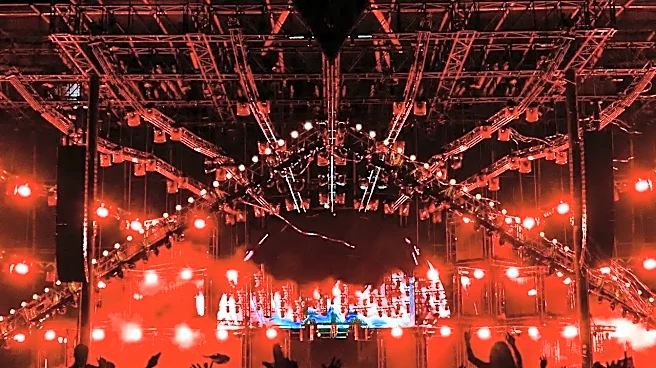
A festival headline set is built on momentum and escalation. The energy is designed to keep rising, pulling thousands of people along with it. In this environment of sensory overload, the most radical thing an artist can do is stop. When a full band cuts
out, the lights dim, and a lone performer steps forward with just an acoustic guitar, the sudden contrast is jarring. It’s a pattern interrupt that forces tens of thousands of people to recalibrate their attention. That dramatic shift from maximum volume to near-silence creates a vacuum, pulling every eye and ear towards the stage in a way that another explosion of light simply can't. Your brain, which has been processing a chaotic stream of information, is suddenly given a single, clear focal point.
Vulnerability as a Superpower
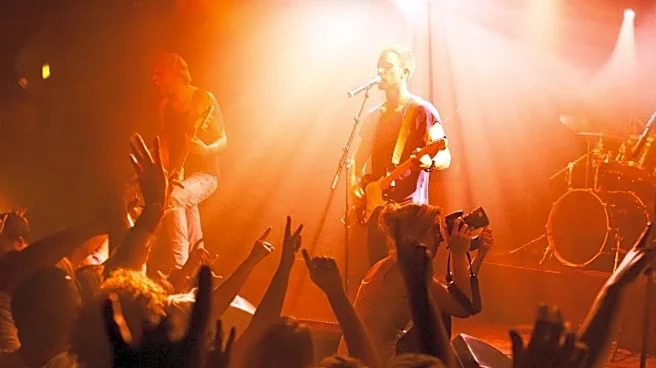
A massive stage production is a suit of armor. The spectacle, the synchronized lights, and the sheer volume create distance and project power. But an acoustic performance is an act of intentional vulnerability. The artist is stripped of their sonic protection, leaving only their voice, their instrument, and the song itself. This rawness is disarming. In a setting defined by larger-than-life personas, this moment of human-scale authenticity builds an immediate bridge of trust and intimacy between the performer and the crowd. We are not just watching a rock star; we are sharing a space with a person, and that emotional exposure is magnetic. It feels personal and immediate, as if they are sharing a secret with thousands of their closest friends.
The Crowd Becomes the Chorus
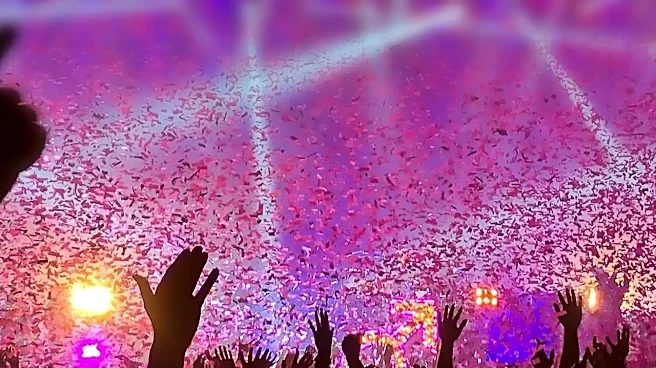
Pyrotechnics demand a passive audience; you watch them, you react to them, but you don’t participate in them. An acoustic song, however, is an invitation. When a familiar anthem is stripped down to its chords, it creates space for the audience to join in. The sound of a massive crowd singing along, unamplified and unified, is one of the most powerful experiences in live music. In that moment, the boundary between artist and audience dissolves. The crowd is no longer just a group of spectators but an active participant, a collective instrument playing its part. This shared act of creation fosters a profound sense of community, turning a field of strangers into a unified chorus. Studies on live music have even shown that audience members' brain waves and heart rates can synchronize during a performance, an effect that is heightened by this kind of collective participation.
Memory Is Written in Emotion, Not Volume
Our brains don't file memories based on decibel levels. They prioritize emotional significance. While a fireworks display is visually stunning, it’s a fleeting spectacle. The emotional arc of an acoustic moment—the drop in energy, the shared vulnerability, the communal singalong—creates a much richer narrative. Live music is fundamentally a different psychological event than listening to a recording; it's a shared experience happening in real-time, and our brains respond more intensely to it. The quiet intimacy of an acoustic song in the middle of a massive festival creates a unique emotional peak. It’s a moment of collective catharsis and connection that stands in stark contrast to the expected highs, lodging it more deeply in our memory long after the final firework has faded.