


A Modern Courtside Classic
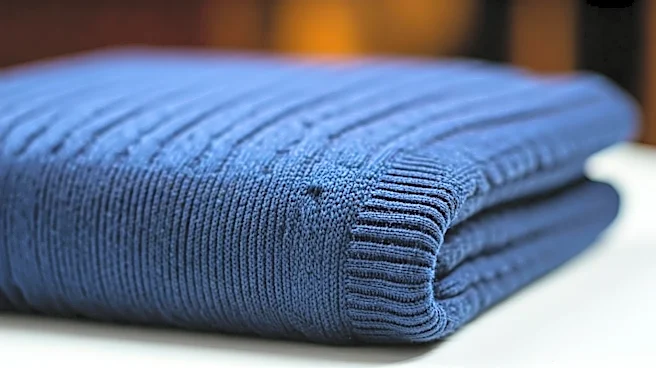
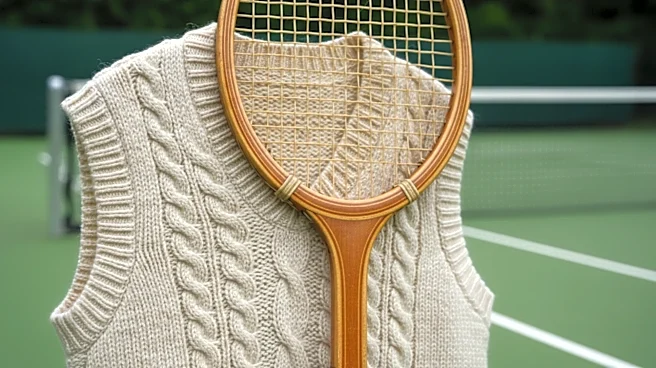
Walk the grounds of the All England Club, and you're bound to see it: a creamy white, sleeveless sweater with a V-neck, often trimmed in Wimbledon's signature green and purple. Since 2006, Polo Ralph Lauren has been the official outfitter, and their cricket-inspired
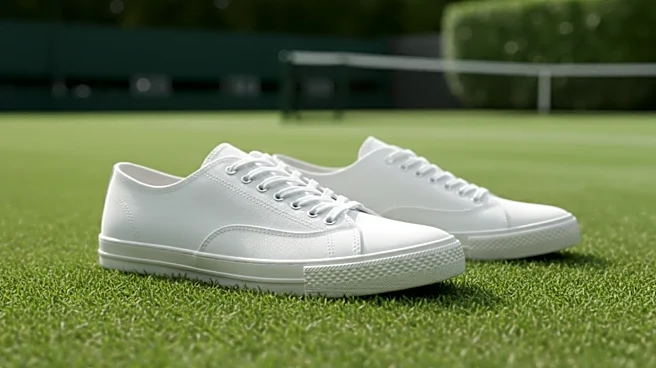
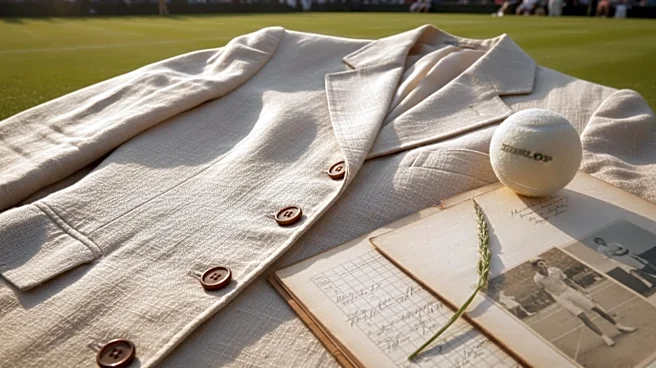
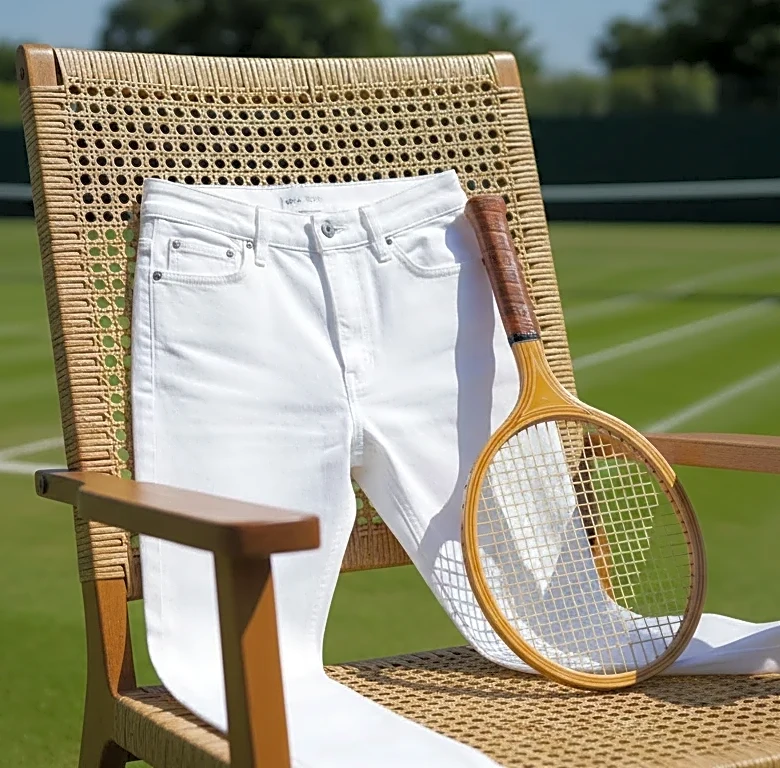
cable-knit vest has become a key piece in the tournament's unofficial spectator uniform. While the Royal Box itself demands strict formalwear—suits for men, modest dresses for women—this vest embodies the aspirational, smart-casual aesthetic that defines the entire event. It’s the perfect expression of “Wimbledon Whites” for those in the stands, a nod to the on-court player dress code and a symbol of quiet luxury.
The Overlooked Fisherman's Stitch
The defining feature of the vest is its cable knit, a construction detail with a rugged, overlooked history. This style, also known as an Aran knit, originated on the windswept Aran Islands off the west coast of Ireland. It was not designed for leisure but for labor. The intricate, rope-like patterns weren't merely decorative; they created a thicker, more insulated fabric that kept fishermen warm and dry at sea. The wool's natural lanolin provided water resistance, making the garments highly practical. While the romantic myth of each family having a unique stitch for identifying sailors lost at sea has been largely debunked, the patterns did carry meaning, with the cable stitch said to represent a fisherman's ropes and a wish for a safe return.
From the High Seas to Centre Court
So how did a fisherman's sweater become a symbol of elite sport? The garment’s journey began in the early 20th century. Its warmth and bulk made it popular on ski slopes before style-setting aristocrats adopted it for other pastimes. The Prince of Wales, a major fashion influencer of the 1920s, famously wore a V-neck cable-knit sweater for golf. Soon, the style migrated to the tennis court, where players in the 1930s began favoring the casual look of a sweater tossed over their shoulders instead of a formal blazer. It was a perfect blend of transatlantic style—the rugged Irish craftsmanship adopted by the preppy American and British upper crust.
The 1990s Archive and Polished Prep
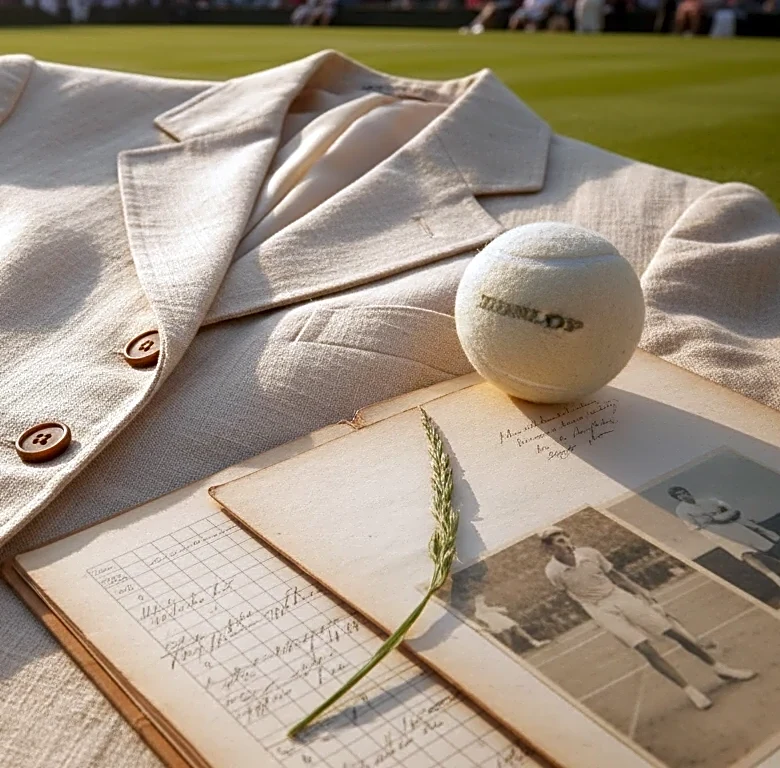
The classic tennis sweater has seen waves of popularity, but the 1990s were a pivotal decade. The era saw a massive revival of preppy, heritage-inspired fashion, solidifying the cable-knit's place in the modern wardrobe. Brands like Ralph Lauren built their identity on this clean-cut, collegiate aesthetic, drawing from a rich archive of 20th-century sportswear. This 90s lens is what polished the vest for its modern Wimbledon role. It filtered the garment’s rustic and athletic past through an aspirational, luxury-focused filter. When Ralph Lauren became Wimbledon's outfitter, the cable-knit vest was a natural choice—it was sporty, traditional, and effortlessly elegant, representing a direct link to the golden age of tennis style.