






The Core Philosophy: Engineering Errors
At its heart, modern defensive soccer is not passive; it's proactive. The fundamental goal of many tactical setups is to put the opponent in pressure situations so frequently that mistakes become inevitable. Coaches don't just hope for an opponent to make
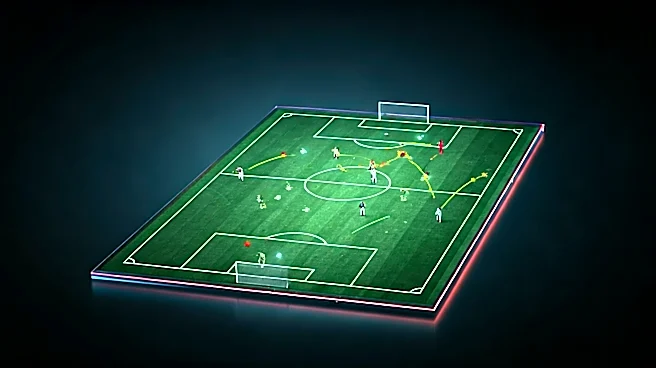
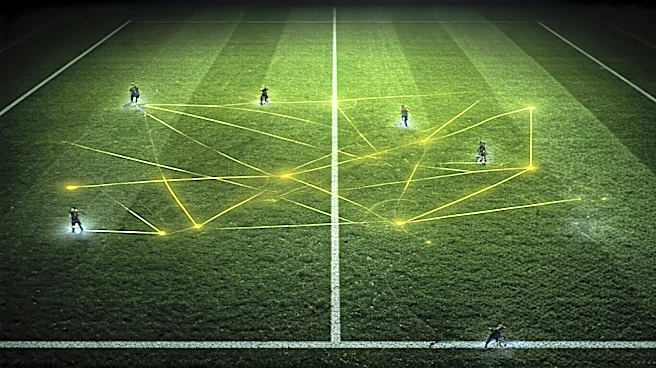
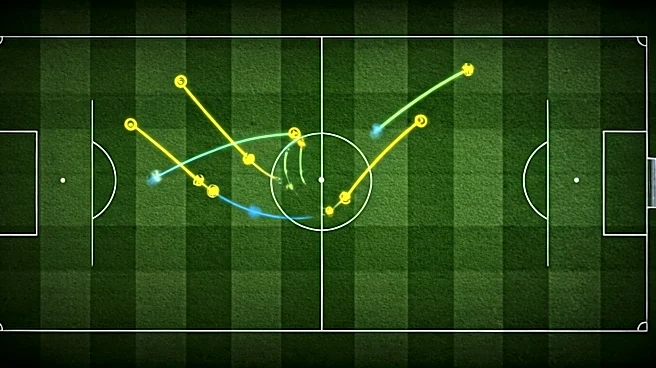
a bad pass; they design systems to force that pass. This involves creating what are known as "pressing traps." A team might intentionally leave a certain area of the field open, baiting the opposition into passing there. The moment the ball travels, the trap is sprung. Multiple players swarm the receiver, using the sideline as an extra defender, cutting off all easy escape routes, and forcing a panicked decision that often leads to losing the ball in a dangerous area.
Gegenpressing: The Art of the Immediate Counter-Press
Perhaps no tactic is more associated with forcing mistakes than "Gegenpressing," or counter-pressing. Popularized by coaches like Jürgen Klopp, its philosophy is simple: the moment you lose the ball is the best moment to win it back. Instead of retreating into a defensive shape, the team immediately swarms the player who has just won possession. The logic is that this player is momentarily vulnerable; they are still transitioning from a defensive mindset to an attacking one, and their team is likely disorganized. This intense, coordinated hunt aims to regain the ball within seconds, capitalizing on the chaos to launch a quick, devastating attack against an out-of-position defense.
High Pressing vs. Low Block: A Tactical Choice
Teams use pressure in different ways. A "high press" involves committing players far up the field to disrupt the opponent's build-up play right from their own defenders and goalkeeper. The goal is to win the ball close to the opponent's goal, creating an immediate scoring opportunity. The risk, however, is that if the press is broken, it leaves vast spaces behind the defense to be exploited. On the other end of the spectrum is the "low block," where a team retreats deep into its own half, staying compact and denying space in and around their own penalty box. This tactic is less about forcing immediate errors high up the pitch and more about frustrating opponents, forcing them into hopeful long shots or risky passes into a crowded area, which can then trigger a swift counter-attack.
The Psychological Toll
The constant harassment of a well-drilled press does more than just create tactical problems; it inflicts a psychological toll. Players who are given no time on the ball feel rushed and anxious. Their decision-making, normally instinctive, becomes frantic. This mental fatigue is cumulative. As the game wears on, the physical demands of trying to evade pressure and the mental strain of being constantly closed down lead to more and more errors. A simple pass becomes a monumental task. This is the ultimate goal of pressure tactics: to make an opponent's brain, as much as their body, a liability.