



It’s a laundry day tragedy: your favorite cotton t-shirt is now child-sized, or a beloved wool sweater has mysteriously grown. The culprit isn’t a laundry gremlin; it's the invisible interaction between water and the fabric’s very fibers.
The Science of Swelling and Stretching
Think of natural
fibers like cotton and wool as bundles of tiny, coiled springs that were stretched and put under tension during the manufacturing process. When you wash a garment, water molecules rush in and are absorbed by these fibers, causing them to swell. This act of getting wet lubricates the fibers and relaxes the tension they've been holding since they were spun and woven into fabric. As they relax, they try to return to their shorter, more natural state. This initial change is what sets the stage for shrinking or stretching. It’s not a defect, but a fundamental characteristic of materials derived from plants and animals.
Cotton and Linen: The Thirsty Fibers
Cotton and linen are made from plant cellulose, a material that loves to absorb water. Cotton can hold a significant amount of its weight in water, which makes the fibers swell up. When these swollen, relaxed fibers are then exposed to the heat of a dryer, they contract and lock into a new, shorter position. This is why a hot wash or a high-heat tumble dry is the fastest way to shrink a t-shirt or a pair of jeans. Linen behaves similarly, with most shrinkage occurring during its first wash as the flax fibers contract. The good news is that this dramatic change usually only happens once; subsequent washes in cool water will have a much smaller effect.
Wool: A Story of Scales and Felting
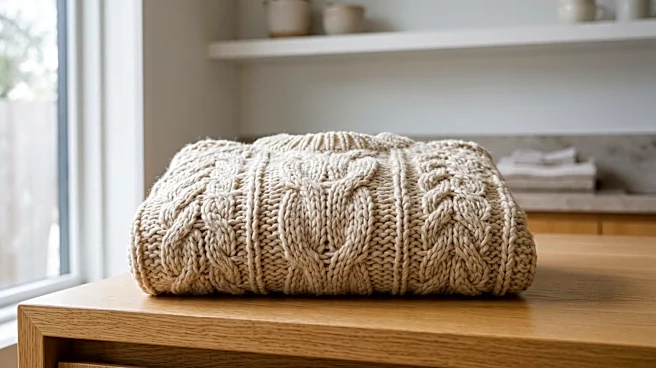
Wool is a protein fiber with a unique structure. Under a microscope, each fiber is covered in tiny, overlapping scales. When wool gets wet, especially with heat and agitation from a washing machine, these scales open up. The combination of moisture, motion, and heat causes the fibers to lock together in a process called felting. This is different from the simple contraction of cotton. Felting is an irreversible matting process that makes the fabric denser, thicker, and significantly smaller. It’s why a wool sweater can be destroyed in a hot wash, even if it's a gentle cycle. Conversely, when wet wool is handled without agitation, the heavy, water-logged fibers can stretch out under their own weight, causing the garment to grow.
Silk: The Delicate Member of the Family
Silk, another protein fiber, is also sensitive to moisture, but in a different way. When silk gets wet, the hydrogen bonds within its molecular structure relax, making the fabric more pliable and prone to stretching or losing its shape. It’s less likely to shrink dramatically like wool or cotton, but it becomes weaker when wet. Handling a wet silk garment roughly by wringing it out can permanently distort its delicate weave. This is why care labels for silk often recommend gentle hand washing and careful reshaping while the garment is still damp.
The Real Culprits: Heat and Agitation
Moisture may set the stage, but heat and agitation are the main actors in the story of shrinking clothes. A hot water wash and, even more so, a hot tumble dryer are what cause fibers to contract aggressively. In fact, for cotton, most shrinkage happens at the end of the drying cycle when the fabric is nearly dry but still exposed to high heat. The tumbling motion of both washers and dryers adds mechanical stress, physically beating the relaxed fibers into a tighter configuration. This is why using cold water and gentle cycles can make a huge difference in preserving the size and shape of your clothes.
Your Laundry Playbook for Stable Sizes
Preventing unwanted changes in your clothing is more about management than magic. First and foremost, always read the care label. For most natural fibers, washing in cold water on a gentle cycle is the safest bet. Avoid the tumble dryer whenever possible, especially for wool and delicate items. Instead, air dry your clothes by laying them flat on a towel or a drying rack. This prevents the fibers from being stretched by gravity while they are heavy with water. If you must use a dryer, choose a low heat or air dry setting and remove the garments while they are still slightly damp to let them finish drying on a hanger.