





The People's Festival Paradox
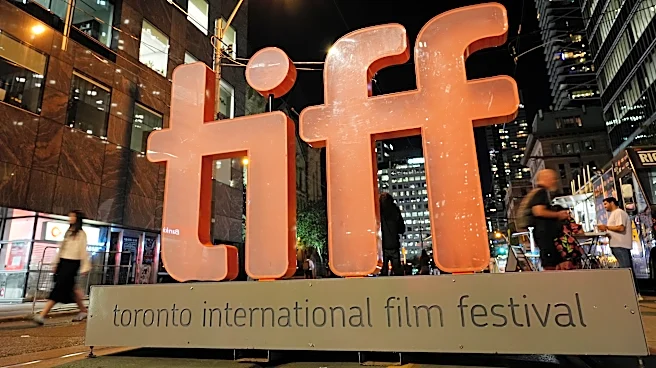
Unlike the sun-drenched, couture-heavy spectacle of Cannes or the high-stakes glamour of the Oscars, TIFF has a different energy. Often dubbed 'the people's festival' for its public accessibility and film-first focus, its red carpet is a fascinating tightrope
walk. It’s a crucial launchpad for awards season, demanding a certain level of gravitas and polish. Yet, it retains a grounded, almost intellectual atmosphere that makes overly flamboyant or purely ceremonial dressing feel slightly out of place. This creates a paradox for stars and their stylists: how do you convey serious artistry and personal authenticity while still delivering a 'movie star' moment? The answer seems to lie in a delicate balance, making TIFF a key barometer for where celebrity style is heading.
Personal Brand Over Princess Gown
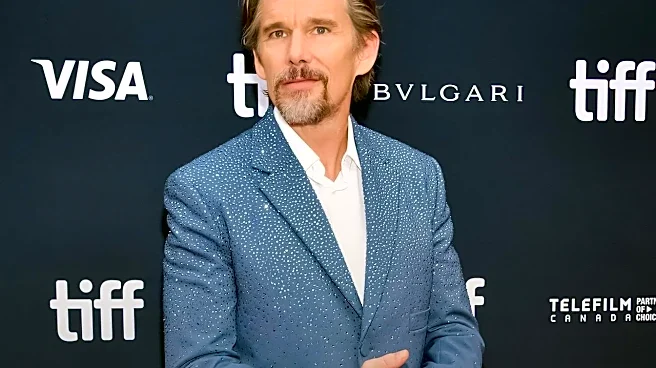
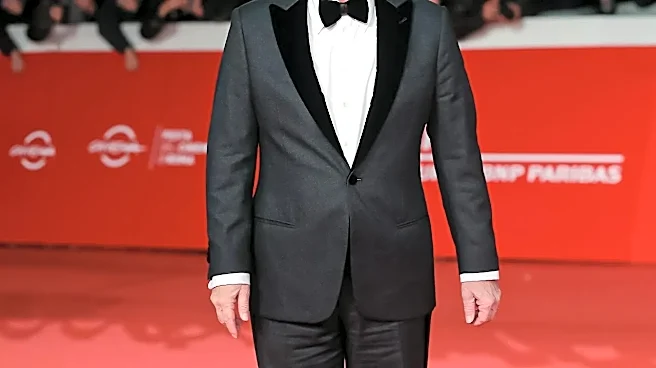
Increasingly, stars are using the TIFF red carpet to make a statement that is less about adhering to a black-tie dress code and more about reinforcing their own brand. We see this in the trend towards looks that prioritize personality over pageant-like perfection. Think of the rise of the impeccably tailored but slightly unconventional suit, worn in a way that feels both formal and effortless. Looks from recent festivals have seen stars opt for artfully unbuttoned shirts, voluminous fits, or wearing a sharp suit with nothing but an undershirt, as seen on stars like Paul Mescal and Colin Farrell. This isn't laziness; it's a calculated choice to project an image of cool confidence. A stylist might opt for an edgier, 'messy' hairstyle to keep a beautiful gown from looking 'too princess-y,' a deliberate move to add texture and personality to a formal look.
Dressing for the Film
The smartest players in the Hollywood style game know that a premiere look isn't just about the actor—it's an extension of the film's marketing campaign. A TIFF premiere is often the world's first major introduction to a movie, and the fashion choices are a powerful tool for setting the tone. For a gritty indie drama, a star might choose a pared-back, minimalist ensemble that speaks to the film's serious themes. For a sci-fi epic, we might see a futuristic or sculptural piece, like Anya Taylor-Joy's custom Dior dress with its voluminous, basket-weaved skirt. Stylists have become experts at this narrative dressing, understanding that a punk-inspired look for a rebellious biopic or a classic, romantic gown for a period piece helps immerse the audience in the story before they've even seen a single frame. It transforms the red carpet from a simple photo opportunity into the first act of the cinematic experience.
When Ceremony is the Right Call
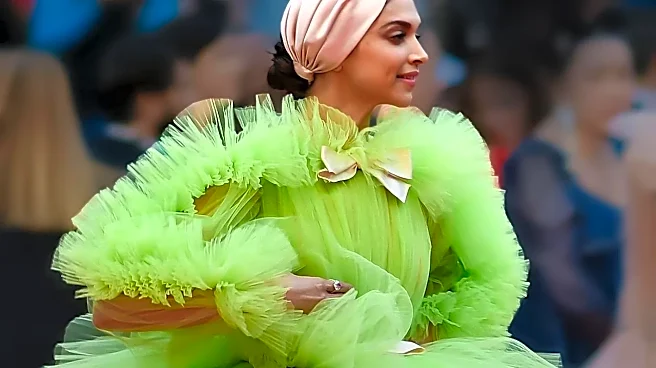
While personal expression is ascendant, the power of pure, unadulterated glamour hasn't vanished. There are times when the film, the moment, or the star's status calls for embracing the full ceremony of a premiere. An actress receiving a Tribute Award, like Penélope Cruz, is expected to deliver a major fashion moment that befits the honor. Similarly, a grand, sweeping epic often demands a similarly grand red carpet look. For the premiere of a film, Elle Fanning donned a sophisticated Valentino Resort look, while Maude Apatow celebrated her directorial debut in a vintage-inspired satin gown. These choices aren't a betrayal of individuality. Instead, they demonstrate a fluency in the traditions of Hollywood and a respect for the occasion. The key is that it feels intentional—a conscious decision to participate in the magic of the movies, rather than a mindless adherence to old rules.