





The Final Campaign
Cristiano Ronaldo arrived at the 2026 World Cup in North America as a 41-year-old icon, a testament to unprecedented longevity. Having already confirmed it would be his last dance on the global stage, every match carried the weight of a potential farewell.
Early tournament chatter focused on whether his presence, even at his age, could finally deliver Portugal the one trophy that eluded him. But signs of tension emerged early. A frustrating substitution in the Round of 32 match against Croatia saw Ronaldo walk off visibly dismayed, shaking his head at coach Roberto Martinez’s decision. Though the team won, the incident was a flashpoint, a preview of the individual-versus-team narrative that has shadowed his career. Commentators noted that while the decision was tactically sound, Ronaldo’s reaction spoke volumes.
An End in Stoppage Time
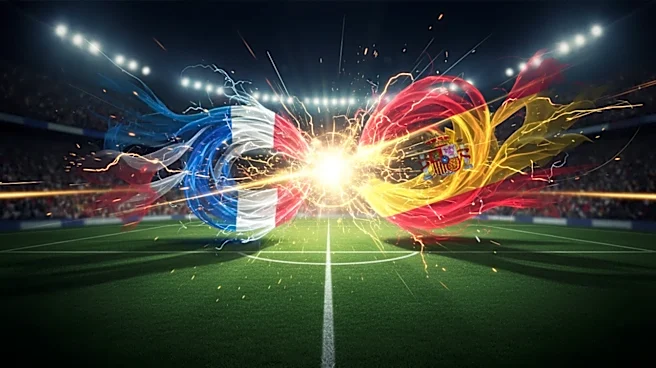
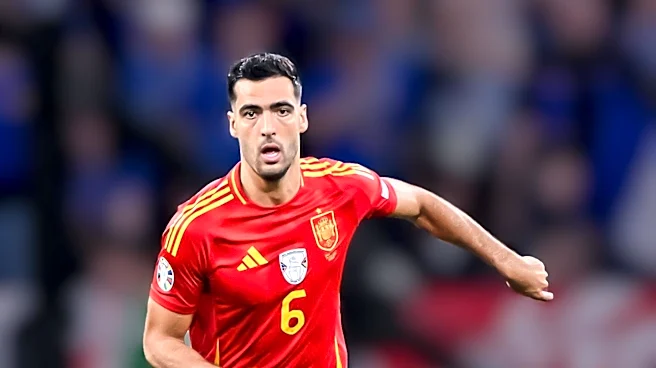
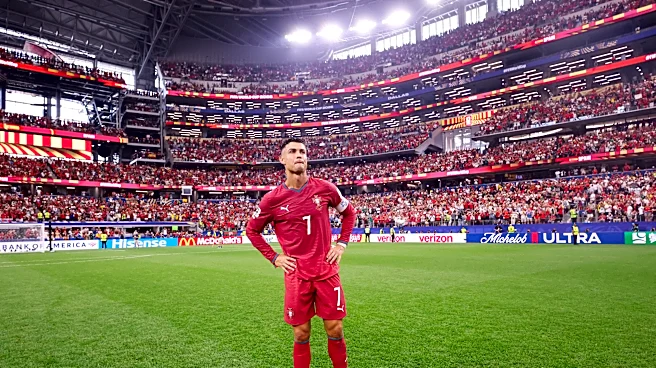
The ultimate drama unfolded not in a final, but in a tense Round of 16 showdown against Iberian rivals Spain. In a grueling, deadlocked match, the breakthrough wouldn't come from the boots of the world's all-time leading goal scorer. Instead, the decisive moment was a gut punch delivered by Spain's Mikel Merino, who scored a dramatic winner in stoppage time to make it 1-0. As the final whistle blew, the cameras found Ronaldo. He applauded the crowd, but his composure quickly broke, his face wet with tears as the reality set in: his World Cup dream was over, forever. Portugal, once considered a tournament favorite, was heading home prematurely.
The Post-Mortem Begins
In the aftermath, the conversation wasn't just about the loss, but about the nature of it. Had Ronaldo been let down? Or had his presence become a complex challenge for the team? Former French international Youri Djorkaeff ignited controversy by claiming Ronaldo was effectively "sabotaged" by his own teammates, who didn't play to his strengths. It was a harsh accusation that played into a larger debate about whether the team was built around its aging legend or trying to evolve beyond him. For his part, Ronaldo handled the exit with a bruised dignity. "It was my last World Cup, yes," he confirmed, adding, "I go with a clear conscience. I gave my all." He pointed to his legacy, noting that before his arrival, Portugal had won no major trophies; with him, they won two.
A Complicated Legacy
The final whistle against Spain wasn’t just the end of a match; it was the closing of an epic, two-decade-long international saga. For all the individual records—the only man to score in six World Cups—the ultimate team prize remained out of reach. The drama that followed him, from public frustration over substitutions to debates about his role, was inseparable from the relentless, win-at-all-costs mentality that made him a giant of the sport. As fellow legend Thierry Henry noted, Ronaldo’s legacy is ultimately "untouchable." But the lasting image from his final tournament is one of raw, human emotion: a champion confronting the limits of time and the bitter taste of a dream unfulfilled, right before the final whistle of his international career.