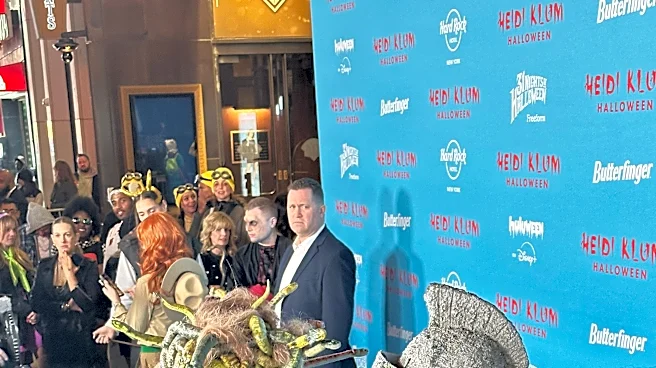



Remember when Halloween was simple? You’d grab a plastic mask of a cartoon character and call it a day. Now, the holiday has become a high-stakes runway for personal expression, where 'what you are' is less important than your aesthetic.
From Character Copy to Curated Vibe
The fundamental
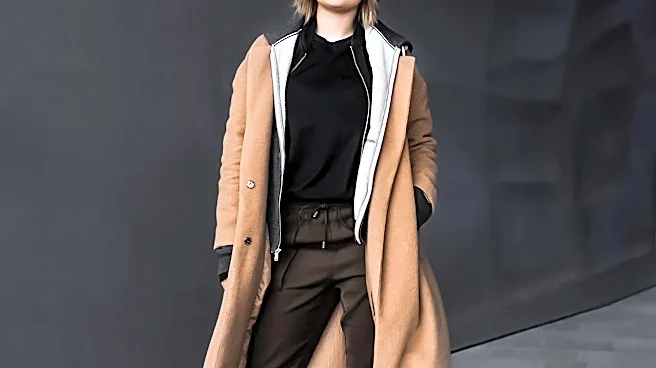
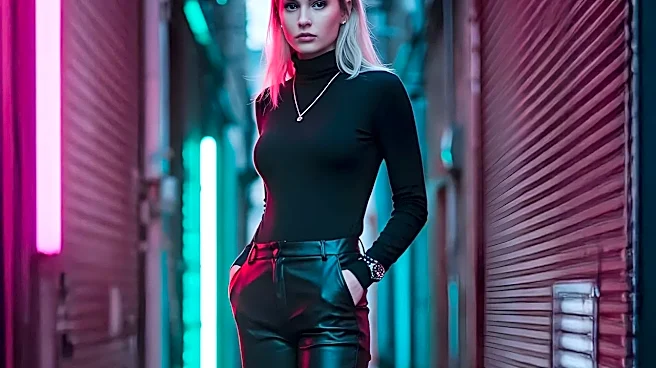
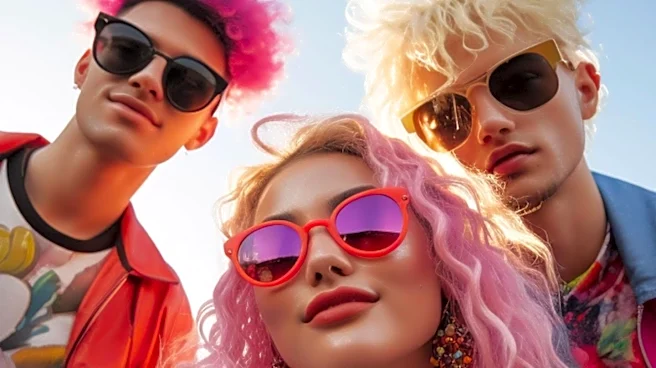
shift in Halloween costumes isn't just about what's popular; it's about the 'how' and 'why' of dressing up. For decades, the goal was recognition. You were a specific superhero, a famous movie monster, or a TV character. Success was measured by how quickly people could name your costume. Today, that's changing. The new goal is capturing a 'vibe'. Instead of being a single character, you might be 'Y2K glam,' 'gothic romance,' or 'dark academia.' These aren't just outfits; they're aesthetic statements pulled from the same visual language that people use to curate their everyday lives and social media feeds. A costume is no longer a one-night fantasy but an extension of one's carefully honed personal brand. This allows for more creative freedom, letting people interpret a theme through their own stylistic lens rather than simply buying a pre-packaged replica.
The Social Media Style Gauntlet
This evolution is being driven overwhelmingly by social media. Platforms like TikTok, Pinterest, and Instagram are visual-first ecosystems that reward originality, aesthetic cohesion, and individual flair. A costume is no longer just for a party; it's content. Creators on TikTok might showcase 31 different costumes for every day of October, turning the holiday into a month-long fashion marathon. This creates both inspiration and a kind of 'costume FOMO,' where the pressure to present a unique, well-executed look is immense. An outfit's success is judged by its photo-worthiness and its ability to slot seamlessly into a beautifully curated grid. As a result, users are turning to these platforms not just for ideas, but as the primary source of inspiration, eclipsing traditional retail stores and even friends.
The Decline of the Store-Bought Kit
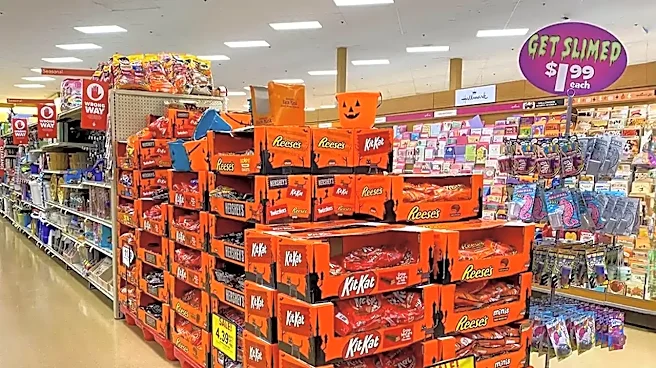
The rise of personal style has led to a corresponding decline in the appeal of the all-in-one, plastic-wrapped costume kit. While retailers still sell billions of dollars in costumes, the trend is moving toward DIY, thrifting, and assembling looks from individual pieces. This shift is partly a rejection of the wastefulness of fast fashion; many see prepackaged costumes as singleuse plastics that end up in landfills on November 1. But it's also about the pursuit of authenticity. A thrifted, selfstyled costume feels more personal and clever than something anyone can buy off a shelf. It shows effort, creativity, and an understanding of style that a generic kit can't. People are now more willing to integrate festive pieces, like a spookythemed hoodie or jacket, into their regular fall wardrobe, blending holiday spirit with everyday comfort.
It’s Not a Costume, It’s a ‘Look’
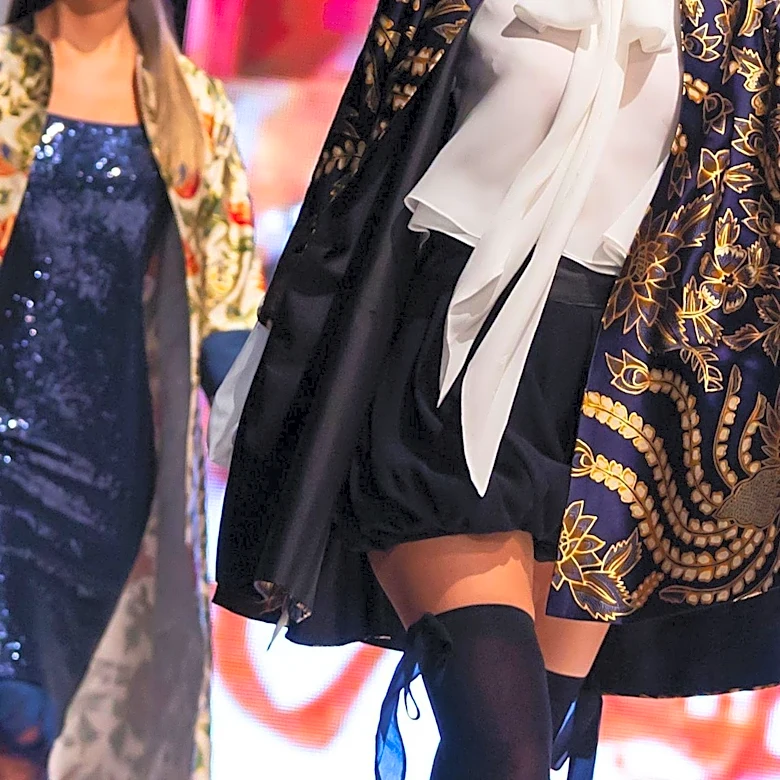
Ultimately, Halloween has become another venue for fashion. People are applying the same skills they use to build their daily wardrobe: mixing high and low pieces, sourcing vintage finds, and creating a 'look' that feels both current and personal. The rise of concepts like a Y2Kinspired 'it girl' or a mythological goddess aren't about becoming a specific person, but about embodying an aesthetic. You can see this in the search trends, where broad themes like 'gothic glam' or 'vintage Halloween' are surging alongside specific characters. This approach allows for endless variation. Ten people could dress with a 'cowboy' theme, and each look could be entirely different—one glamorous, one rustic, one channeling a specific film. This makes the holiday less of a pop culture trivia night and more of a collective fashion experiment.