



A Party with a Purpose
The story begins in 1995. To celebrate the 25th anniversary of Essence magazine, a publication dedicated to Black women, its founders decided to throw a party. But this wasn't just any celebration; it was envisioned as a live extension of the magazine's
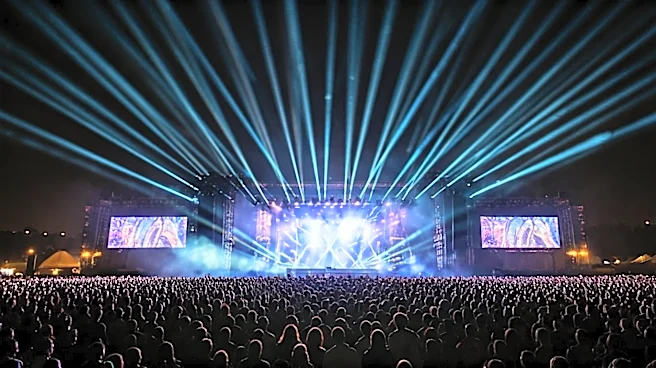
mission to uplift and celebrate Black culture. Dubbed "the party with a purpose," the inaugural Essence Music Festival was intended to be a one-time event. The lineup was a testament to its ambition, featuring icons like Patti LaBelle, Gladys Knight, and Boyz II Men, alongside speakers such as the Rev. Jesse Jackson. It was an immediate, resounding success, creating a safe space for the Black community to gather, celebrate their heritage, and connect. The organizers quickly realized they had created something too special to be a one-off, and the annual tradition was born.
More Than Just Music
While legendary musical performances have always been the festival's anchor—drawing everyone from Prince and Beyoncé to Janet Jackson and Destiny's Child—its evolution into a cultural checkpoint began when it expanded beyond the Superdome concerts. The festival's organizers introduced free daytime programming at the city's convention center, shifting the focus from pure entertainment to empowerment and community engagement. This dual focus became its unique signature. Suddenly, attendees could see Mary J. Blige at night and attend panels on entrepreneurship, wellness, and social justice during the day. This pivot attracted a new dimension of star power, with thought leaders and political figures like then-Senator Barack Obama, who electrified crowds in 2007, and appearances from Oprah Winfrey, solidifying its reputation as a place for substantive conversation.
The New Orleans Effect
Holding the festival in New Orleans over the Fourth of July weekend was a masterstroke. The city's own deep-rooted Black culture, world-renowned food, and celebratory spirit became inextricably linked with the festival's identity. Over the years, the event has become a massive economic engine for New Orleans, with recent festivals generating over $300 million in economic impact for the city annually. After Hurricane Katrina devastated the city, the festival's return in 2007 (after a temporary relocation to Houston in 2006) was a powerful symbol of resilience and reinvestment in the community. The event is now a citywide takeover, with hundreds of thousands of attendees filling hotels and participating in official events, brand activations, and local vendor marketplaces, making the location as important as the lineup.
The Center of Black Influence
Today, Essence Festival is the largest African American culture and music event in the United States, drawing over 500,000 attendees. It functions as a critical checkpoint for brands, artists, and influencers looking to connect with a powerful Black consumer base. Major companies like Coca-Cola and Ford are significant sponsors, hosting elaborate activations. For many, the festival is a can't-miss networking opportunity and a trend-setting stage for fashion and beauty. The rise of social media amplified this, turning the event into a stream of viral moments. The 2017 film "Girls Trip," filmed on location during the festival, further cemented its status in the pop-culture imagination as the ultimate girls' trip destination. By evolving from a music festival into a multi-faceted cultural and economic powerhouse, Essence has secured its place as an essential summer institution.