




1. The Language of Fabric
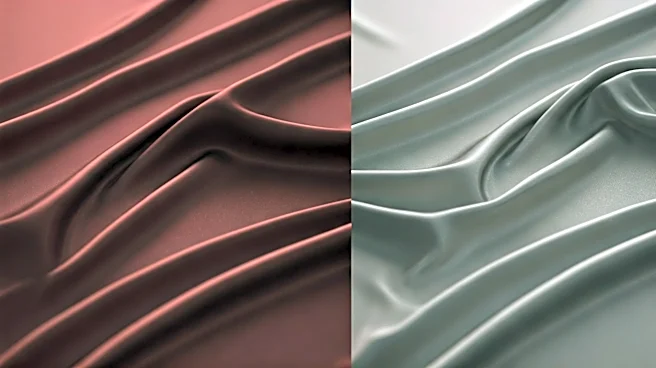
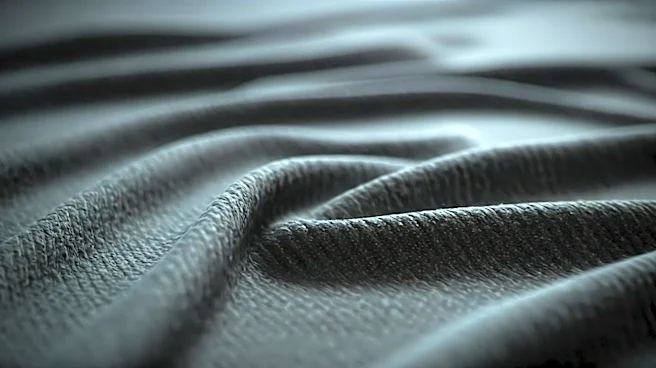
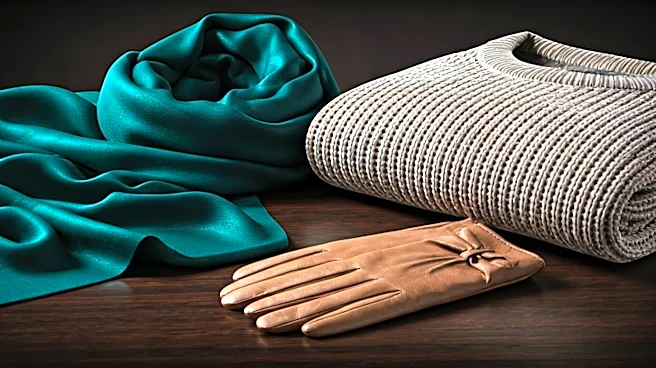
Before you ever see a label, you can feel the quality of a garment. This is the first and most important signal. Fashion insiders are fluent in the language of materials. They recognize the soft, lightweight warmth of a high-ply cashmere sweater, the fluid
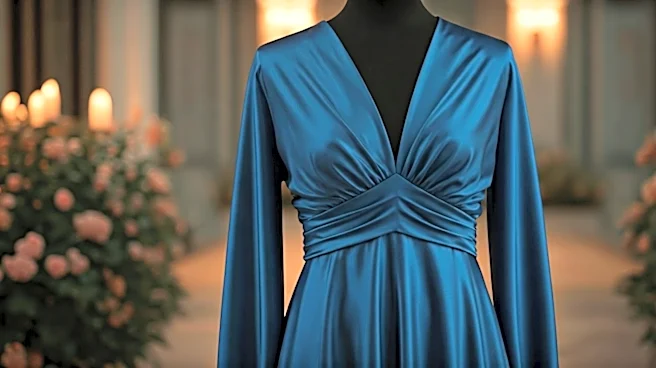
drape of a silk-charmeuse blouse, or the substantial, structured feel of a well-made Japanese denim. It’s not just about luxury materials, either; it’s about the right material for the job. A poplin shirt that holds its crispness, a linen that rumples just so, or a technical fabric that performs its function flawlessly all speak volumes. This appreciation for textile quality is the foundation of 'stealth wealth.' It prioritizes the wearer’s experience and tactile satisfaction over a visible brand name.
2. An Obsession with Fit and Drape
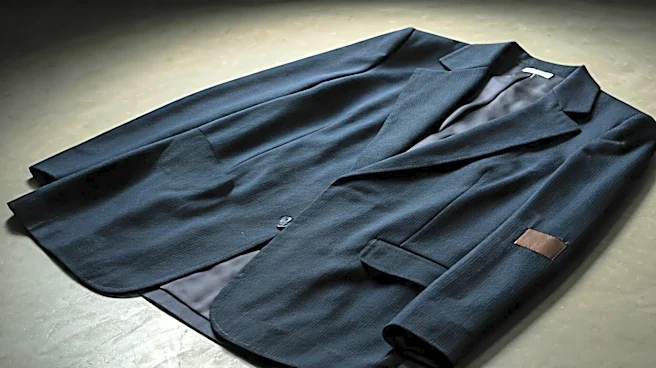
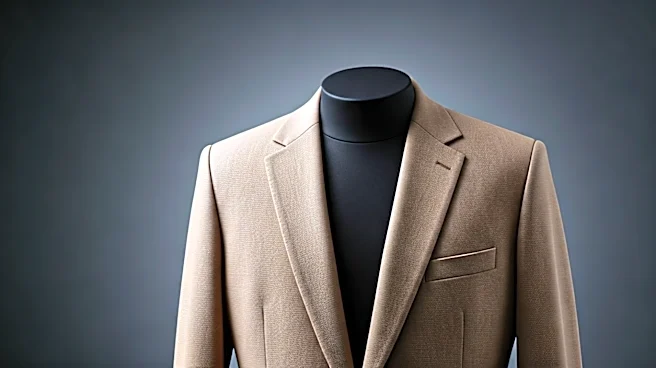
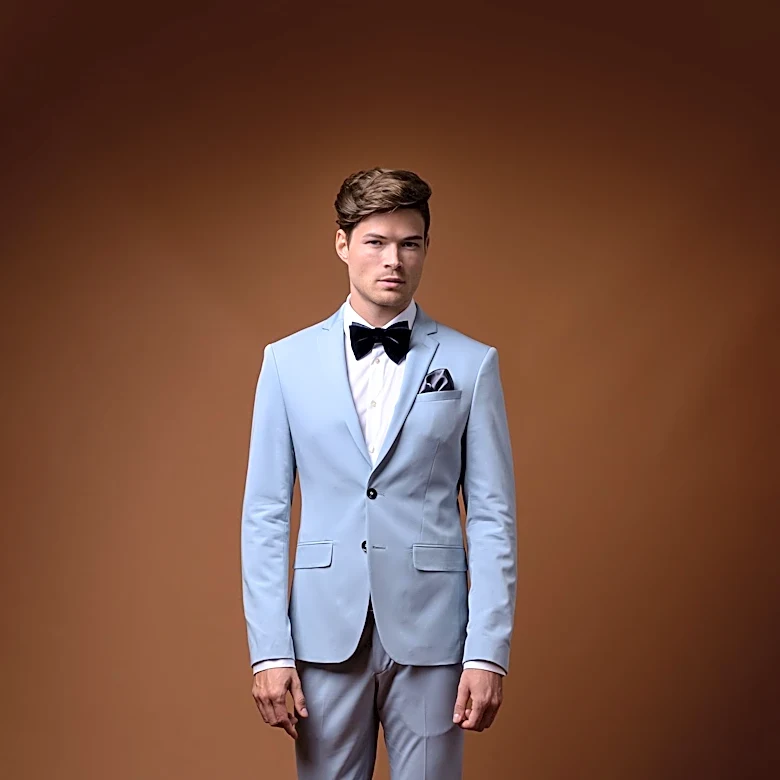
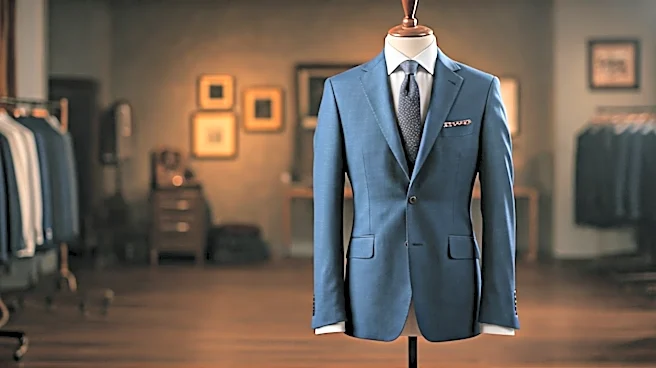
A cheap suit and an expensive suit can be made of the same material, but they will never hang the same way. The difference is cut, structure, and drape. A garment that signals taste doesn't just sit on the body; it moves with it. Look for the shoulder seam on a jacket—does it hit perfectly at the edge of the shoulder? Notice the break of a trouser—does it fall cleanly over the shoe? These aren't accidents; they are the result of meticulous pattern-making and tailoring. Even in oversized or intentionally slouchy silhouettes, there's a hidden architecture. The volume is controlled, creating a specific shape rather than just a sea of fabric. It’s the difference between looking intentionally fashion-forward and simply wearing clothes that are too big.
3. The Secret Power of Hardware
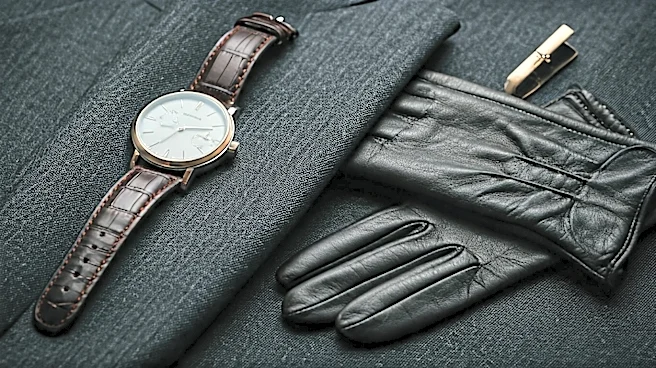
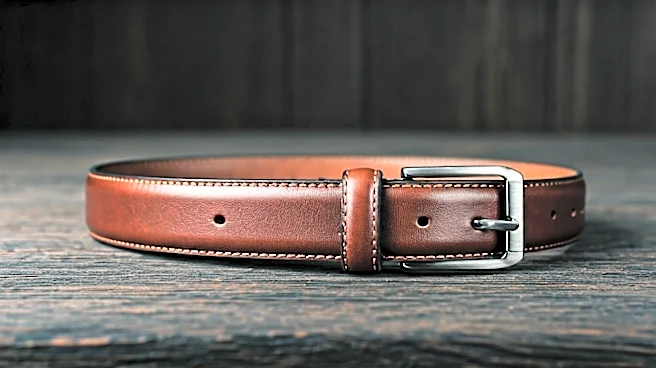
Logos are obvious, but hardware is a tell. The zippers, buttons, clasps, and buckles on an item are where cost-cutting measures first appear on mass-market goods. On a high-quality piece, the hardware is considered. Zippers are often from respected manufacturers like Riri or Lampo, known for their smooth action and durability. They will feel substantial and heavy, not flimsy. Buttons might be made of real horn, mother-of-pearl, or corozo, each with unique, subtle variations that plastic can’t replicate. On a handbag, the clasp will shut with a satisfying, clean 'click.' This attention to the small, functional parts of a garment is a key indicator that the entire piece was made with an uncompromising standard of quality.
4. Stitching as a Signature
Look closely at the seams. The stitching on a well-made garment is a quiet testament to its construction. On high-end bags, you might see saddle stitching, a traditional technique done by hand that is far more durable than machine stitching. On a blazer, functional buttonholes on the sleeve, known as 'surgeon's cuffs,' are a classic sign of bespoke or high-quality tailoring, as they’re an expensive detail to add. The density of stitches per inch is another clue—more stitches often mean a stronger, more precise seam. Even the thread itself matters. Is it perfectly matched to the fabric? Is the stitching straight, even, and flat? These are the details that separate the exceptional from the ordinary.
5. A Command of Color and Texture
Dressing without logos often involves a sophisticated use of color—or a deliberate lack thereof. Tonal dressing, where an entire outfit is composed of varying shades of a single color (think camel, beige, navy, or gray), is a hallmark of this look. It creates a seamless, elongated, and elegant silhouette that relies on the interplay of texture for interest. Imagine an outfit of creamy whites: a cashmere knit, a silk skirt, and a wool coat. Each piece is distinct because of its texture, but together they create a cohesive and deeply luxurious whole. This approach shows confidence. It says, 'My outfit doesn't need a loud color or a bold print to make a statement. The quality speaks for itself.'