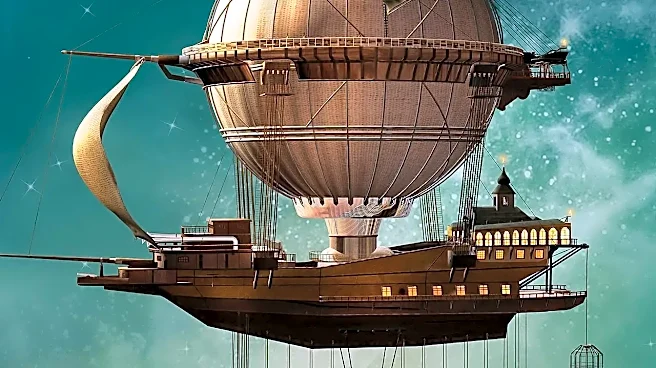










Blueprints for Make-Believe
In the vast universe of pop culture fandom, there exists a particularly fascinating corner where art, engineering, and imagination collide. This is the world of fictional schematics: the intricate, highly detailed blueprints and cross-section diagrams
of the ships, weapons, and technologies from our favorite movies, TV shows, and games. For most viewers, the Millennium Falcon is just a cool-looking ship. But for fans in this niche, it’s a machine whose inner workings can be studied, debated, and admired. These aren't just doodles; they are often meticulously researched works of art that lend a powerful sense of reality to fictional worlds. The movement gained significant traction with official publications like the "Star Fleet Technical Manual" for Star Trek, first published in 1975, which provided fans with their first in-depth look at the Federation's technology. This was followed by Dorling Kindersley's wildly popular "Incredible Cross-Sections" books for Star Wars, which peeled back the layers of everything from X-wings to Star Destroyers.
The Psychology of Plausibility
So, what’s the appeal? At its core, this fandom is about world-building. These diagrams make fantasy feel plausible. Psychologically, this satisfies a deep-seated human desire to understand how things work, even when those things are powered by kyber crystals or dilithium. It creates what fans call a parasocial relationship—a one-sided bond where a fan feels deeply connected to a fictional world. By understanding the layout of a starship's engine room or the mechanics of a proton pack, the world becomes more immersive and tangible. This technical grounding adds a layer of intellectual appreciation to the emotional experience of watching a story unfold. It’s a way for fans to engage with their favorite properties on a deeper level, transforming passive consumption into an active, analytical hobby. It's the ultimate expression of devotion for those who love not just the characters, but the very nuts and bolts of the universe they inhabit.
From Official Manuals to Online Hubs
While this fandom began with printed books sold in stores, it has flourished online. Today, communities on Reddit like r/ImaginaryTechnology and r/ImaginaryStarships are bustling hubs where fans and artists share their creations. Here, you can find everything from original spaceship designs to detailed cutaways of mechs from video games. These forums serve as both a gallery and a think tank. Artists post their work for feedback, while fans debate the practicality of a design choice or the theoretical science behind a fictional propulsion system. This digital migration has democratized the art form. You no longer need to be an officially licensed artist to contribute; anyone with a passion for design and a grasp of digital art software can create and share their own technical schematics, adding to the ever-growing library of fictional engineering. Fan-made content now exists alongside official material, often matching it in quality and detail.
The Art of Fictional Engineering
Creating these diagrams is a unique skill that blends the precision of an engineer with the imagination of a storyteller. The best examples are not only visually impressive but also tell a story about the object they depict. Scorch marks on a power conduit might hint at a past battle, while the cramped quarters of a smuggling ship reveal something about its captain’s priorities. Some artists, like David West Reynolds, who worked on the Star Wars "Incredible Cross-Sections" series, were given access to the Lucasfilm archives to ensure their work felt authentic. However, there can be a creative tension between adhering to the established fiction and imposing hard science. Some fans love trying to make the fantasy align with real-world physics, while others prefer to embrace the more magical elements of space opera. It's a delicate balance, proving that even in a world of pure imagination, details matter.