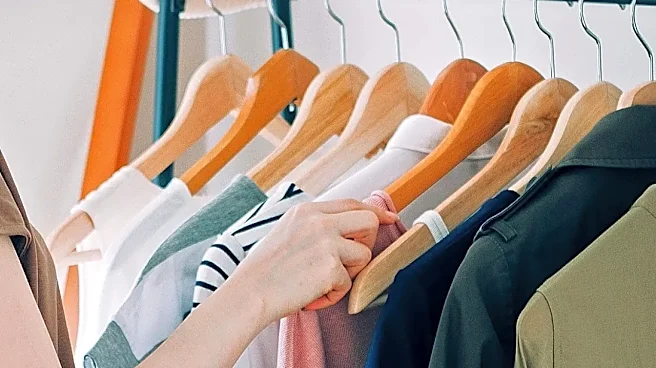




For years, the 'perfect' wardrobe was built on a foundation of interchangeable basics. But the simple white tee or classic blue jean is undergoing a quiet revolution, shifting from a generic staple into something much more personal and specific.
The End of One-Size-Fits-All Style
The very
idea of a 'basic' is changing. For much of the last decade, building a great wardrobe meant acquiring a set of simple, almost uniform, essentials: the plain crewneck sweater, the unassuming sneaker, the classic trench coat. The goal was versatility through simplicity. Now, that ideal is fracturing. Instead of one perfect white t-shirt for everyone, there are a dozen 'perfect' versions, each defined by minute details. This shift reflects a broader cultural move away from mass-market minimalism and toward radical self-expression. Weary of algorithmic trends and one-look-fits-all branding, consumers are seeking out pieces that feel more like personal signatures than checklist items. The 'basic' is no longer the starting point of an outfit; it’s becoming the main event, packed with personality.
Case Study: The T-Shirt Gets Complicated
Nowhere is this trend more visible than with the humble t-shirt. It's no longer enough for a tee to be white and made of cotton. Today's discerning shopper is debating the merits of a heavyweight, boxy-fit tee versus a tissue-thin, draped version. Details that were once the domain of fashion obsessives are now common vocabulary: the shrunken 'baby tee' of the '90s, the boatneck for a touch of classic elegance, or the perfectly dropped shoulder for a relaxed silhouette. Fabric has become a key differentiator, with brands emphasizing smooth jersey, slub cotton, or recycled blends. Finding 'your' perfect tee isn't about grabbing a three-pack anymore; it's a specific quest for the right weight, cut, and neckline that perfectly aligns with your personal style. The simple tee has become a complex signifier of taste.
The Blazer Loosens Its Corporate Ties
The blazer used to be a straightforward piece of workwear, a symbol of professional polish. But like other essentials, it has shed its rigid definition. Today's blazer is a playground of proportion and personality. You have the oversized, 'boyfriend' blazer that adds an effortless, borrowed-from-the-boys coolness to jeans and a tee. Then there’s the cropped blazer, designed to hit right at the waist and pair with high-waisted trousers or dresses. Details like asymmetrical closures, peplum silhouettes, or unconventional fabrics like leather are turning the once-uniform jacket into a statement piece in its own right. It's no longer just a layer; the specific style of blazer you choose—structured or slouchy, neutral or bold—defines the entire mood of your outfit.
Denim's Detailed Evolution
Remember when choosing jeans was a simple matter of skinny, straight, or bootcut? Those days are long gone. The denim world has exploded into a landscape of hyper_specific silhouettes. We now have 'barrel' and 'horseshoe' jeans with dramatic, curved legs, 'puddle' jeans that pool around the ankle, and ultra_wide_leg styles that feel both modern and retro. It’s not just about the cut, either. Washes are more nuanced, from a crisp, dark indigo to a perfectly faded vintage light_wash. Even small details, like a unique cuff or a specific rise, can make one pair of straight_leg jeans completely different from another. The search is no longer for just 'a pair of jeans', but for the specific style that serves a particular aesthetic purpose in your wardrobe, proving that even the most classic essential is now a tool for targeted self_expression.