






Gen X and the Analog Slasher
Generation X came of age in a world of tangible threats. Their horror landscape was shaped by the rise of the slasher film, where the monster was often a man with a mask and a motive, however thin. Movies like 'Halloween', 'Friday the 13th', and 'A Nightmare
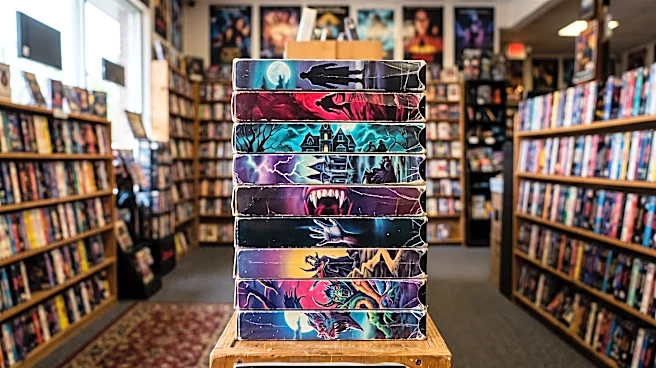
on Elm Street' presented a straightforward, if terrifying, reality: danger was physical, it was close, and it often punished teens for breaking the rules. This was the horror of a pre-digital age, where fear was spread by word-of-mouth and VHS tapes passed around at sleepovers. The anxieties were grounded in real-world headlines about serial killers and the feeling that adults couldn't, or wouldn't, protect you from the dangers they warned you about. The threat was breaking into your house, not your Wi-Fi.
The Comfort of Clear-Cut Rules
The slasher genre, for all its gore, offered a strange kind of order. The rules were simple: don't wander off alone, don't investigate strange noises, and definitely don't have premarital sex. This formulaic approach made the horror predictable, even comforting, in its own way. Gen X, a generation known for its skepticism toward authority, found a reflection of their worldview in films where the adults were often useless or part of the problem. The terror was visceral and focused on bodily harm, a fear that resonated in an era before the complexities of digital identity and online persecution. The villains became pop culture icons, anti-heroes whose relentless nature was as marketable as it was menacing.
Gen Z and the Anxiety of the Unknown
Gen Z's horror is of a different breed entirely. Raised in the digital age, their fears are more psychological, existential, and often viral. This is the generation of 'elevated horror', where films like 'Get Out' and 'Hereditary' use the genre to explore deep-seated societal issues and personal trauma. Instead of a man with a knife, the threat is often an unseen force, a creeping dread, or a societal sickness. Their horror isn't just about surviving the night; it's about questioning the very nature of reality. This shift reflects a generation grappling with anxieties like climate change, economic precarity, and the disquieting nature of online life.
Fear in the Age of the Algorithm
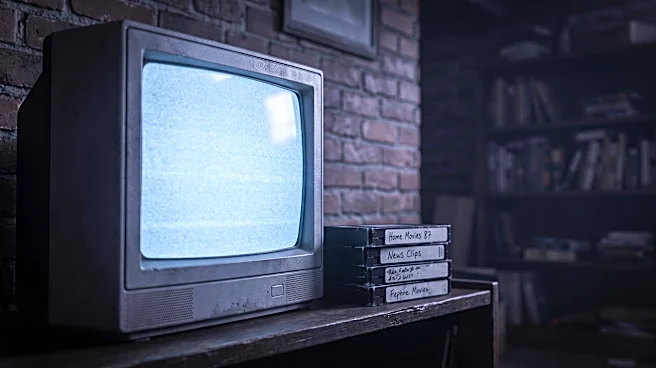
For a generation whose lives are constantly documented and curated online, the horror of being watched, of losing control, and of intangible threats is particularly potent. Subgenres like found footage, seen in films from 'The Blair Witch Project' to the 2026 hit 'Backrooms', play directly into this anxiety. Psychological thrillers and stories involving complex, rule-based supernatural occurrences resonate with a cohort accustomed to navigating the unwritten rules of the internet. The horror is less about a physical invader and more about a psychological one—an idea that gets in your head and won't leave, much like a disturbing online video or a creeping conspiracy theory. This generation's monsters are often metaphorical, representing the anxieties of a world that is both hyper-connected and profoundly isolating.