








The Perfect 'Last Dance' Narrative
Hollywood screenwriters couldn’t craft a better setup. The World Cup is a short, intense, single-elimination tournament where legacies are defined in a handful of games. This structure is the perfect vessel for a “last dance” narrative—a final, heroic
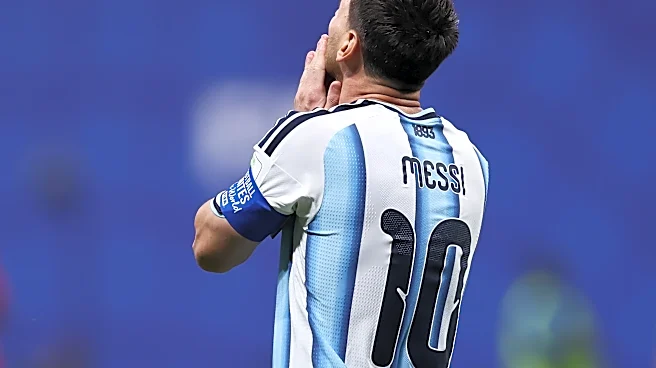
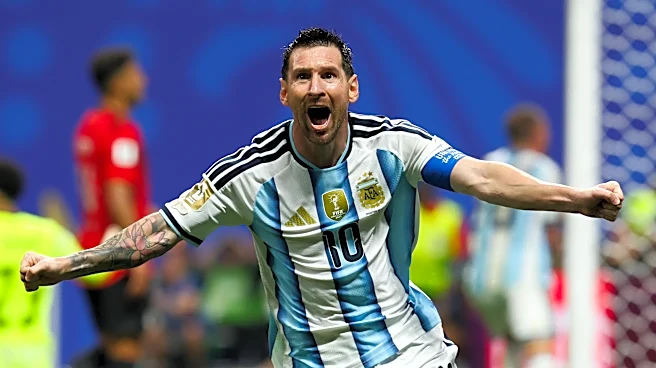
effort against time itself. Lionel Messi’s 2022 triumph is the quintessential example. After a career filled with every possible club honor, the one prize that eluded him was the World Cup. Argentina’s journey, from a shocking opening loss to a dramatic final victory, was framed globally as Messi’s personal quest for redemption and completion. The story wasn’t just about a team winning; it was about an icon achieving his destiny. This narrative is so powerful because it’s simple, emotionally resonant, and has a definitive end point. We know this is their last shot, which infuses every touch, every goal, and every grimace with historical weight.
Smarter, Not Faster
While the narrative is compelling, it wouldn't exist if the players couldn’t still perform at an elite level. But how do players in their late 30s and early 40s compete in a sport defined by athleticism? They trade explosive pace for unparalleled intelligence. Players like Croatia's Luka Modrić, who at 40 was still the heart of his team's midfield in the 2026 World Cup, exemplify this evolution. An older star's game is refined. They no longer need to cover every blade of grass; instead, they read the game, anticipating plays and positioning themselves perfectly. Their value comes from vision, decision-making, and a calming leadership that can steady a team in the tournament's immense pressure. They become on-field coaches, directing play with an almost clairvoyant understanding of space and time. This shift from physical dominance to tactical mastery allows them to not just survive but thrive.
A Global Media Darling
The obsession with aging legends is also a media phenomenon. In a tournament featuring 48 teams and hundreds of players, broadcasters and journalists need simple, powerful stories to attract a mass audience, many of whom are casual fans. The aging star is the perfect protagonist. Their backstory is already known, their accomplishments legendary, and their final tournament provides a built-in, high-stakes drama. Zinedine Zidane’s 2006 run is a classic case. After retiring from international football, he returned for one last tournament, dragging a lackluster French team to the final. His every move was scrutinized, culminating in the infamous headbutt that defined the final. It was a complex, tragic, and utterly captivating story that overshadowed the Italian victory for many. The media, from Adidas's “one last dance” campaign for Messi to the endless analysis of Ronaldo's final World Cup appearances, amplifies this focus because it’s a guaranteed way to generate engagement.
The Quest for Immortality
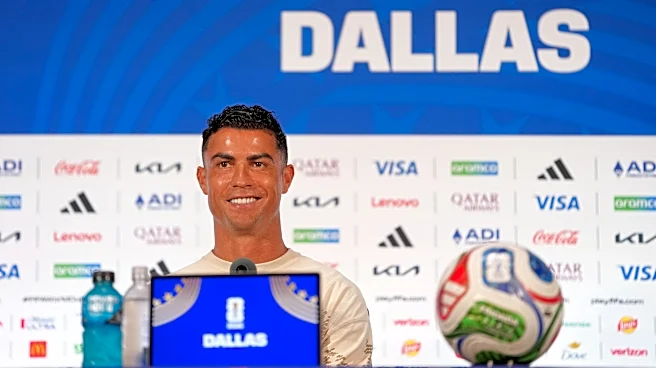
For the players themselves, this final tournament is about more than just a trophy; it's about cementing a legacy. A World Cup victory elevates a player from one of the greats to a true immortal in the sport's pantheon. This is why Cristiano Ronaldo, despite a cabinet full of individual awards, pursued a record sixth World Cup at age 41. While his 2026 campaign ended in disappointment, the narrative was still centered on his quest for the one prize that had eluded him. These players are acutely aware of their place in history. The World Cup offers them a final stage to write their own ending, to control their narrative, and to give their fans one last story to tell. It transforms a team sport into a deeply personal journey, and for a global audience tuning in every four years, that's a drama that is impossible to ignore.