
Hair as Architecture, Not an Accessory
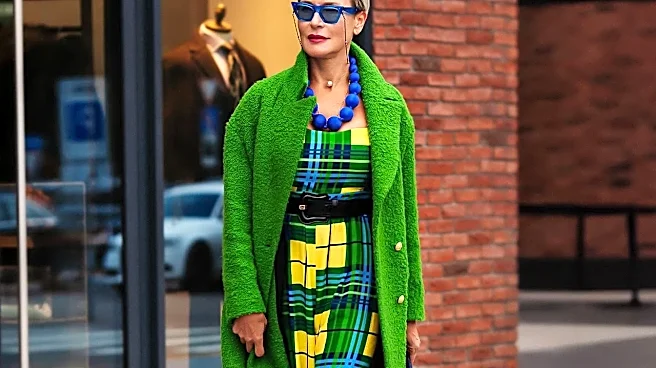
We often treat hair as the final touch, like a handbag or a pair of earrings. But in fashion, hair is part of the architecture of a look. It frames the face, defines the neckline, and alters the body’s overall silhouette. Recent London runways showcased
this perfectly, with a strong contrast between opposing ideas. On one hand, you had “glass hair”—impossibly sleek, high-shine styles that looked almost liquid. On the other, there were raw, “weather-beaten” textures and soft, grunge-inspired looks that felt organic and rebellious. The choice was never random. Each style was deliberately chosen to either complement or contrast with the clothes, proving that hair doesn't just sit on top of an outfit; it has a conversation with it.
The Balancing Act of Volume
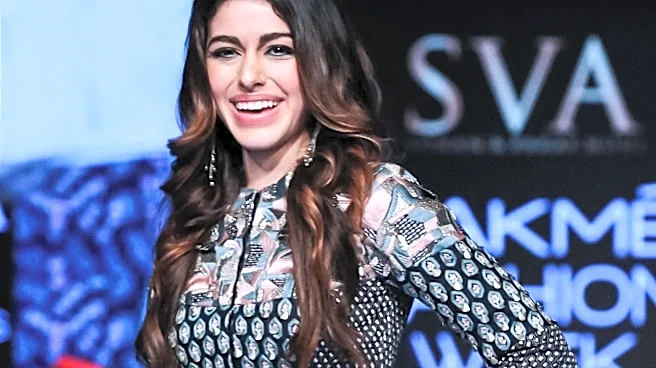
One of the most powerful tools in hairstyling is volume. From the bouncy, glamorous blowouts making a comeback to the '60s-inspired voluminous beehives seen at shows like Paul Costelloe's, big hair makes a statement. The key to making it work is balance. Think of your silhouette as a set of scales. If you have significant volume on top from your hair, the rest of your outfit needs to provide a grounding force. This is why massive, textured curls or a dramatic afro often look incredible with a simple, sleek column dress or a tailored sheath. The clean lines of the garment prevent the overall look from becoming visually overwhelming. Pairing a voluminous hairstyle with an equally voluminous ballgown or heavily ruffled top can swallow you whole. The stylist's rule of thumb is often to think in opposites: the bigger the hair, the cleaner the outfit's silhouette.
Sleek, Sculptural, and Sharp
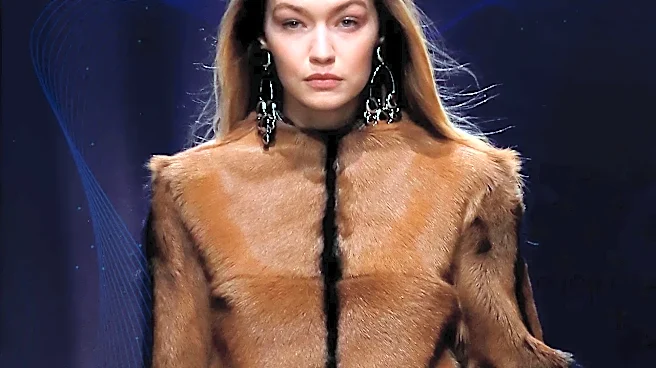
The opposite of volume—sleekness—serves a different but equally important purpose. The “glass hair” trend, along with sharp, sculptural ponytails and tightly-wrapped chignons seen on London runways, creates a clean, polished canvas. These controlled styles are a powerful choice when the outfit itself is doing the talking. A high, ornate neckline, a bold pattern, or a piece of clothing with complex architectural details all benefit from a hairstyle that pulls back and clears the stage. A slicked-back bun or a sharp bob allows a statement collar or dramatic shoulder pads to have their moment without competition. By minimizing distraction around the face and neck, you draw the eye directly to the fashion.
Texture's Quiet Conversation
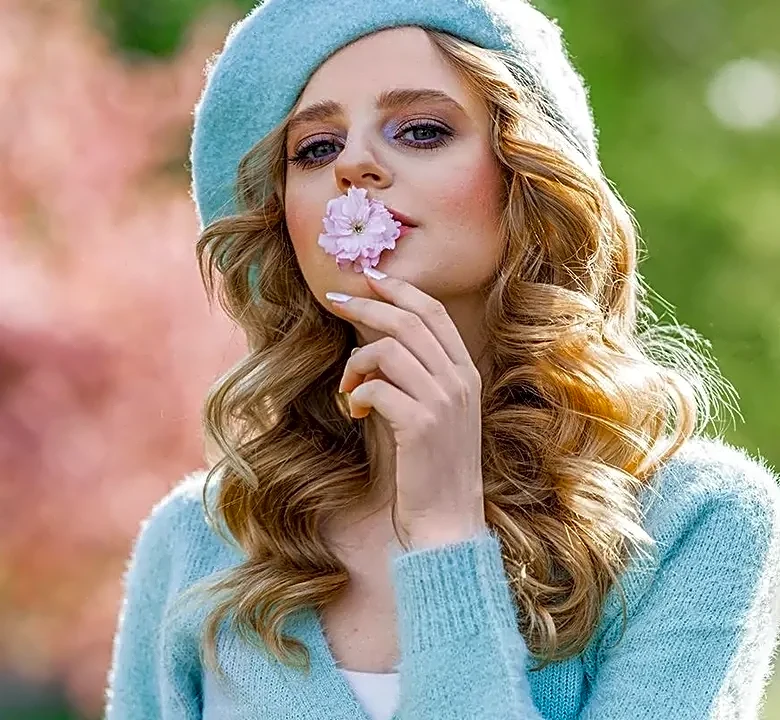
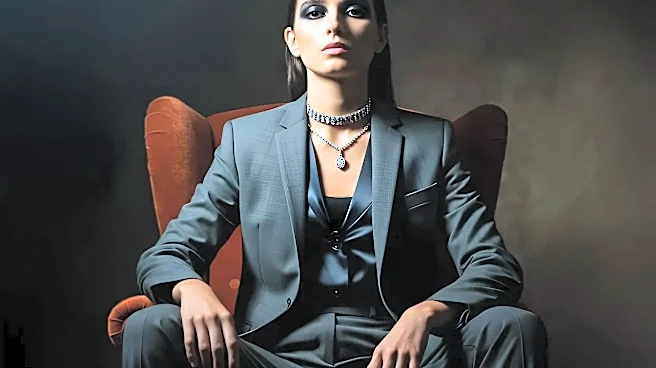
Not every style is about extremes of volume or sleekness. The soft, textured, and sometimes even “sweaty” finishes seen at shows for designers like Chet Lo and Central Saint Martins represent a more nuanced approach. These styles, which enhance natural waves or add a bit of lived-in, matte finish, are perfect for softening an otherwise severe look. For example, a sharp, structured blazer can feel more approachable and modern when paired with slightly undone, textured hair. Similarly, a romantic, flowing dress can be given a cooler, less saccharine edge with a “grunge fresh” hairstyle. Here, the hair isn't shouting; it's whispering a counterpoint to the clothes, creating a look that feels layered, thoughtful, and effortlessly cool.
Putting It Into Practice
So, how do you apply this to your own wardrobe? Start with the neckline, which is the most critical intersection between your hair and your clothes. A simple guideline used by stylists is: if the neckline is high and detailed (like a turtleneck, pussy-bow blouse, or collared shirt), consider wearing your hair up. This could be a sleek ponytail, a soft bun, or a classic French twist. The goal is to create space and highlight the garment's details. Conversely, if you’re wearing something with an open neckline, like a V-neck, scoop-neck, or strapless top, you have more freedom to wear your hair down. Letting your hair flow—whether it's straight, wavy, or curly—beautifully frames the exposed skin and balances the look.