



Toy Story (1995): Establishing the Rules and the Fear
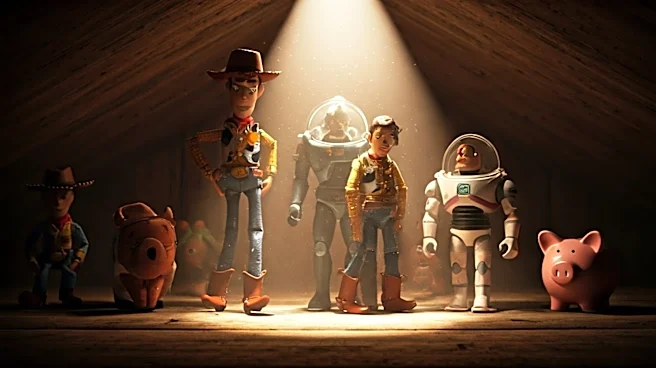
The original film is more than just a buddy comedy; it's a masterclass in world-building that establishes the franchise's fundamental laws. Pay close attention to the primary rule: toys are sentient, but must appear inanimate to humans. This creates an immediate,
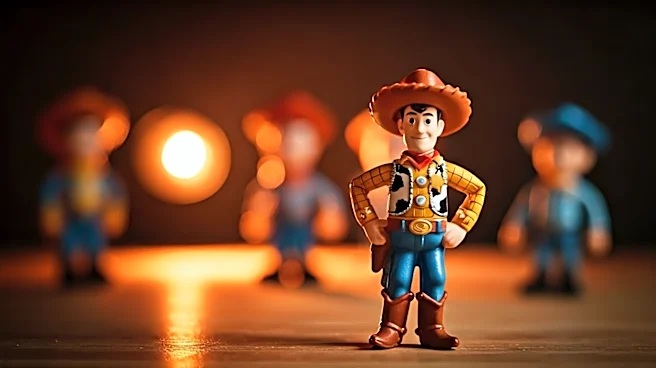
built-in tension. But the real mechanic to watch is the introduction of a toy’s core fear: replacement. Woody isn’t just jealous of Buzz Lightyear; he’s facing obsolescence. His status as Andy’s favorite is his entire identity. When that’s threatened, he has an existential crisis. Every conflict in the franchise stems from this simple, powerful fear of being forgotten, replaced, or rendered useless. The film sets up a toy’s purpose as singular: to be played with by their kid.
Toy Story 2 (1999): The Collector vs. The Child
Here, the franchise deepens its central question. After Woody is stolen by a collector, he's presented with a choice: a short, loved life with Andy that ends in a landfill, or an immortal, pristine life behind glass in a Japanese museum. This is the key story mechanic: the conflict between a toy’s intended purpose (play) and an alternative (preservation). Jessie’s heartbreaking backstory, “When She Loved Me,” isn’t just a sad song; it’s the emotional thesis. It shows the trauma of being outgrown and abandoned. Woody’s ultimate decision to return to Andy, risking eventual heartbreak, reinforces the idea that a finite life filled with love is better than an empty eternity. It’s a powerful statement on what gives life meaning.
Toy Story 3 (2010): Confronting the Inevitable Goodbye
If Toy Story 2 explored the fear of being outgrown, Toy Story 3 makes it a terrifying reality. This is the movie where the system breaks down. Andy is going to college, and the toys’ purpose is officially over. What happens next? The film brilliantly explores their attempts to hold on, their accidental donation to Sunnyside Daycare (a veritable toy dystopia), and their near-death in an incinerator. That furnace scene is the franchise's emotional peak, where the characters accept their shared fate. But the true mechanical shift is in the ending. Woody doesn't just get saved; he facilitates a transfer of ownership. He orchestrates a new beginning for his friends with Bonnie, ensuring their purpose can continue. It’s a profound moment of letting go for the greater good.
Toy Story 4 (2019): The Renegade and the Lost Toy
Many felt the story was complete after 3, but the fourth film tackles the one thread left hanging: Woody’s personal purpose. With Bonnie favoring other toys, Woody is once again facing obsolescence. This time, however, the film offers a radical new path. His reunion with Bo Peep, now a self-sufficient “lost toy,” shatters his worldview. She’s not broken or sad; she’s free. The crucial mechanic here is the evolution from serving one child to finding self-determination. Woody’s final choice to leave Bonnie’s room and join Bo isn’t a betrayal of his past; it’s the culmination of his journey. He graduates from being a child’s object to being his own person, dedicating his life to helping other lost toys find new kids. He has finally, truly found a purpose that can’t be outgrown.
Bonus Round: Where Do Lightyear & The Shorts Fit?
So, do you need to watch Lightyear or the various Disney+ shorts? For the core story, not really. Think of them as optional enrichment. Lightyear is framed as the in-universe movie that the Buzz Lightyear toy is based on; it’s fun context but doesn’t impact the emotional arc of Andy’s Buzz. The shorts, like Forky Asks a Question and Lamp Life, are delightful character vignettes that add texture. Lamp Life is the most narratively significant, as it fills in Bo Peep’s backstory between Toy Story 2 and 4. If you’re short on time, stick to the four main films. They contain the complete, self-contained emotional journey that Toy Story 5 will have to build upon—or deconstruct.