



The Secret Language of Fabric
To understand the bias cut, you first have to think of woven fabric as a grid. It’s made of threads running in two directions: lengthwise (the warp) and crosswise (the weft). These threads are pulled taut during weaving, giving the fabric stability but
very little stretch. Most clothes are cut along these straight lines, or “on grain,” which gives them structure—think of a crisp button-down shirt or a sturdy pair of jeans. The bias, however, is the 45-degree angle that runs diagonally across that grid. Cutting a pattern piece on this diagonal line is what’s known as cutting on the bias. It’s an intentional choice to work against the fabric’s rigid structure, and in doing so, it unlocks a whole new set of properties.
Why It Changes Everything
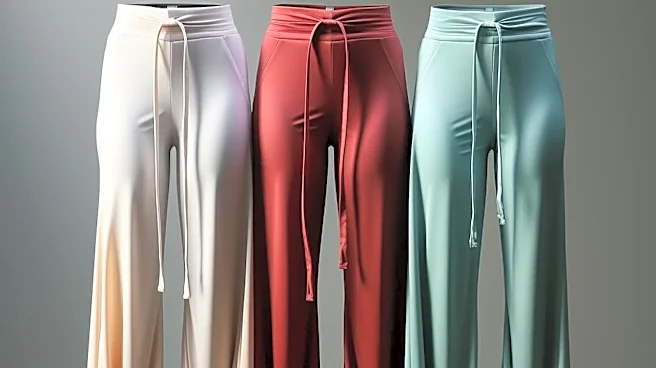
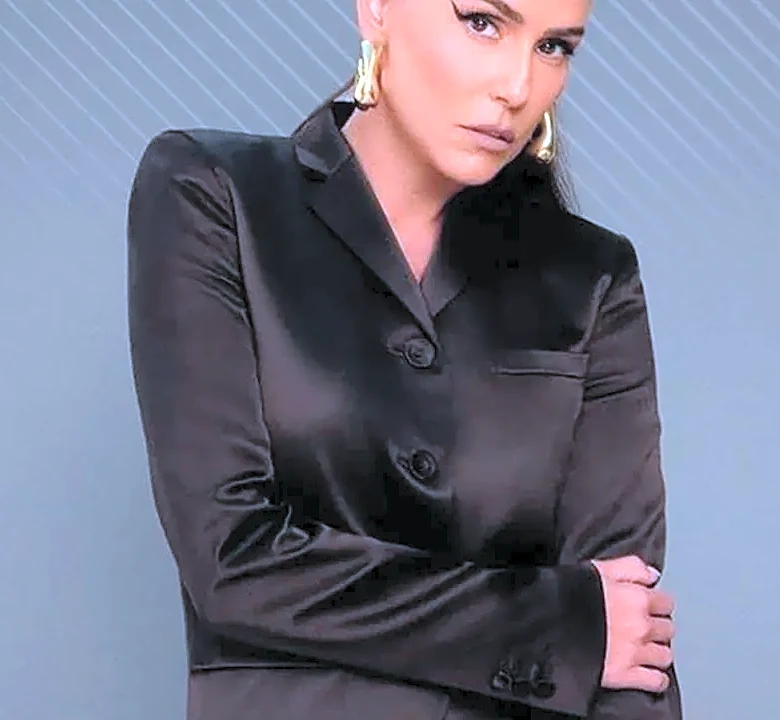
Cutting fabric on the bias fundamentally alters its behavior. That diagonal angle allows the woven threads to slide past each other, creating a natural elasticity and stretch, even in non-stretch fabrics like silk or satin. This is the magic that creates a garment’s drape—its ability to fall in soft, fluid folds. Instead of hanging stiffly, a bias-cut piece of fabric clings gently to the body's curves and flows with movement. This technique is what gives slip dresses their signature slinky quality and what makes a skirt swirl so elegantly. But this beauty comes at a cost. The technique is notoriously difficult, as the stretchy fabric can warp during sewing. It also requires significantly more fabric than a standard cut, making it a hallmark of higher-quality, more thoughtfully constructed garments.
A Revolution in Silhouette
While the technique existed for details like collars, it was French couturier Madeleine Vionnet who revolutionized fashion by creating entire garments on the bias in the 1920s and ‘30s. At a time when clothing was often stiff and structured, Vionnet’s body-skimming gowns were radical. She treated fabric like a sculptor, draping it to create dresses that moved with the female form rather than concealing it beneath corsets and rigid construction. Her fluid, elegant designs became synonymous with the glamour of Old Hollywood, worn by stars like Greta Garbo and Marlene Dietrich, and established a new, modern silhouette that celebrated natural curves. Her work was so transformative that other legendary designers have called her “the mother of us all.”
More Than Just Slip Dresses
The most famous example of the bias cut today is the slinky slip dress, but once you know what to look for, you’ll see its influence everywhere. That soft, graceful fold of a cowl neckline? That’s created by cutting the fabric on the bias. A skirt that flares and moves beautifully without feeling bulky is likely a bias cut. The technique is also used for smaller details that require flexibility, like bindings around an armhole or decorative elements that need to curve without puckering. Even menswear has seen designers like John Galliano experiment with bias-cut blazers and coats to create a softer, more fluid silhouette. It proves that whether it’s the entire foundation of a gown or a seemingly minor detail, the bias cut is a powerful tool for creating garments that are both elegant and effortless to wear.