


1. Focus on a Single, Strong Silhouette
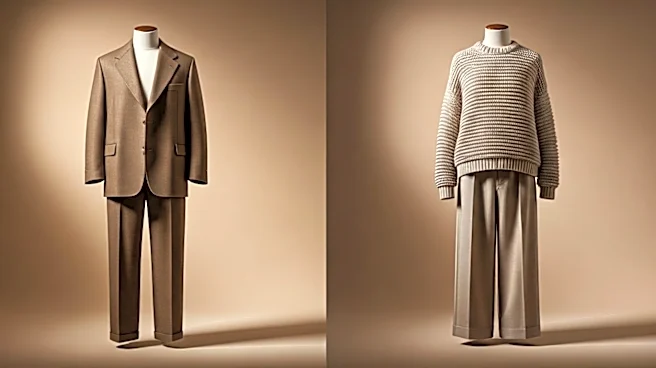
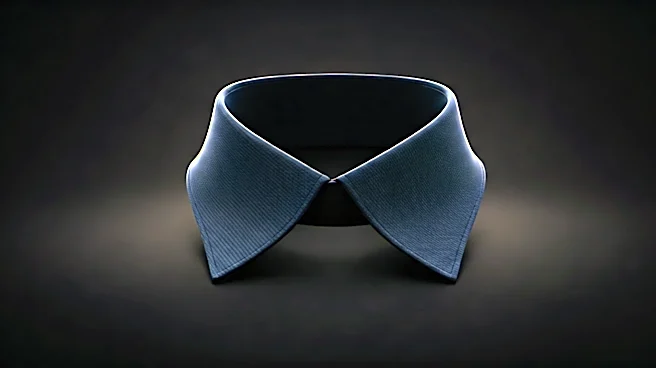
The most arresting runway looks often hinge on an exaggerated silhouette. Think of Rick Owens' architectural jackets or Loewe's ultra-high-waisted trousers. You don't need the runway version, just the principle. Instead of your usual slim-fit everything,
try one piece with an intentional, different shape. A pair of wide-leg trousers in a classic fabric like wool or denim can completely change the feel of a simple t-shirt or sweater. Or, consider an oversized, drop-shoulder overcoat. By keeping the rest of the outfit simple and well-fitted, the one voluminous piece feels intentional and directional, not sloppy. It's the easiest way to dip a toe into avant-garde proportions without looking like you're wearing a costume.
2. Isolate One 'Weird' Thing
A common mistake is trying to replicate an entire head-to-toe runway look. The real trick is to deconstruct it. Pick one element that feels exciting and challenging—a single piece of the puzzle—and build a normal, comfortable outfit around it. This could be a dramatically flared pant, a shirt with an asymmetric closure, or a sweater in a jarring, unexpected color. Ground that statement piece with familiar staples: a classic white tee, a simple black bomber jacket, clean white sneakers. This strategy lets the avant-garde item shine as a point of interest, showcasing your taste without overwhelming your personal style. It says you appreciate design, but you aren't dictated by it.
3. Make It About Texture
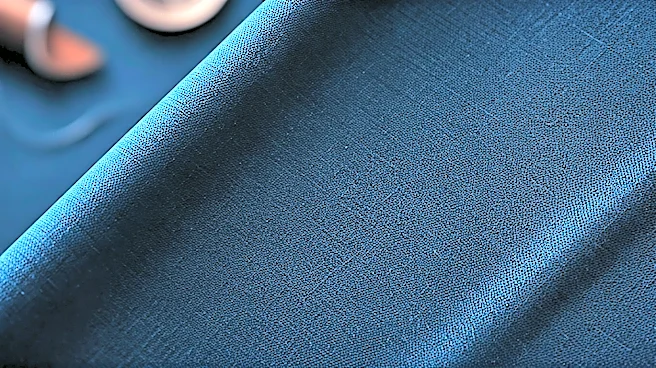
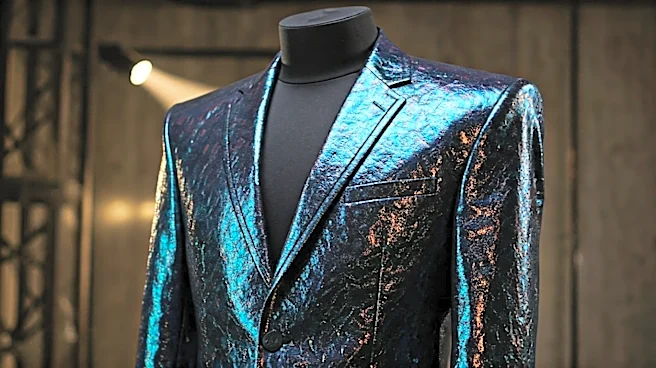
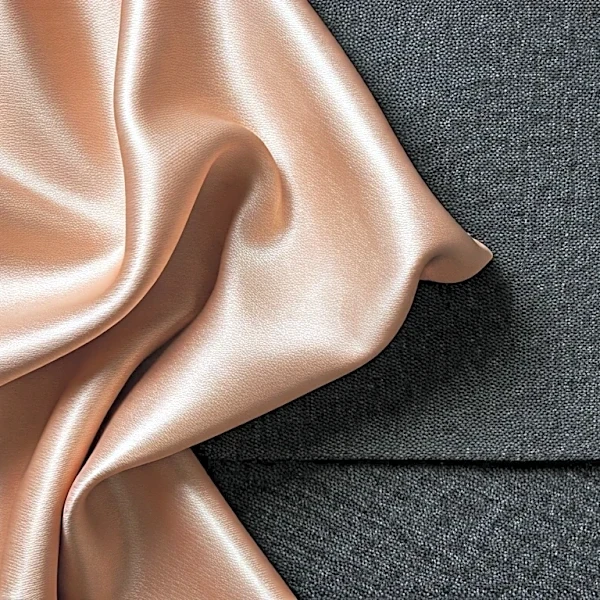
Often, what reads as 'avant-garde' from a distance is actually a masterful play of textures up close. Designers like Dries Van Noten and Craig Green are experts at this. Instead of reaching for a wild pattern, think about feel. Introduce materials you don't normally wear. A fuzzy mohair sweater, a pair of sleek leather pants, a crinkled nylon jacket, or a chunky, hand-knit cardigan adds a layer of depth that feels luxurious and considered. Mixing these textures creates visual interest that’s more subtle than a loud print. A tonal outfit—all black, for example—can look incredibly sophisticated when it combines wool, leather, and cotton in a single look.
4. Accessorize with Intent
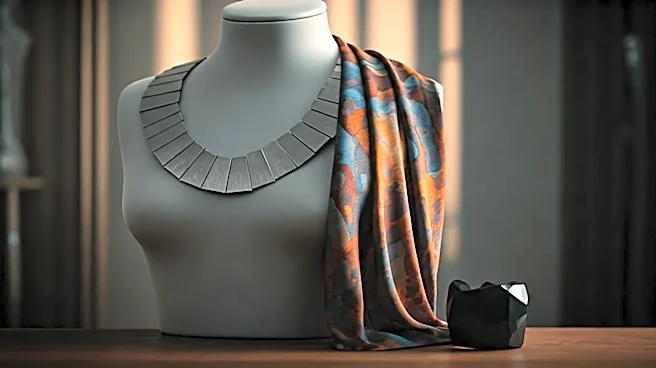
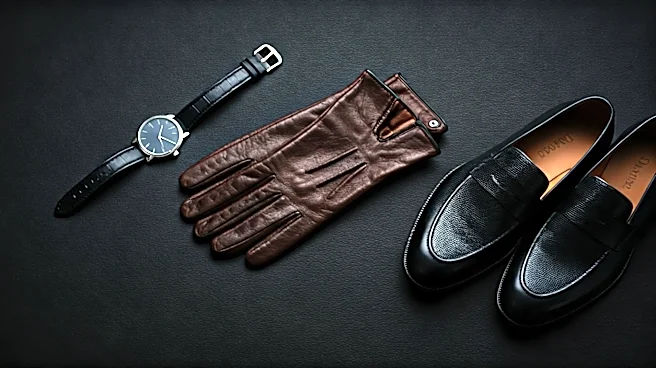
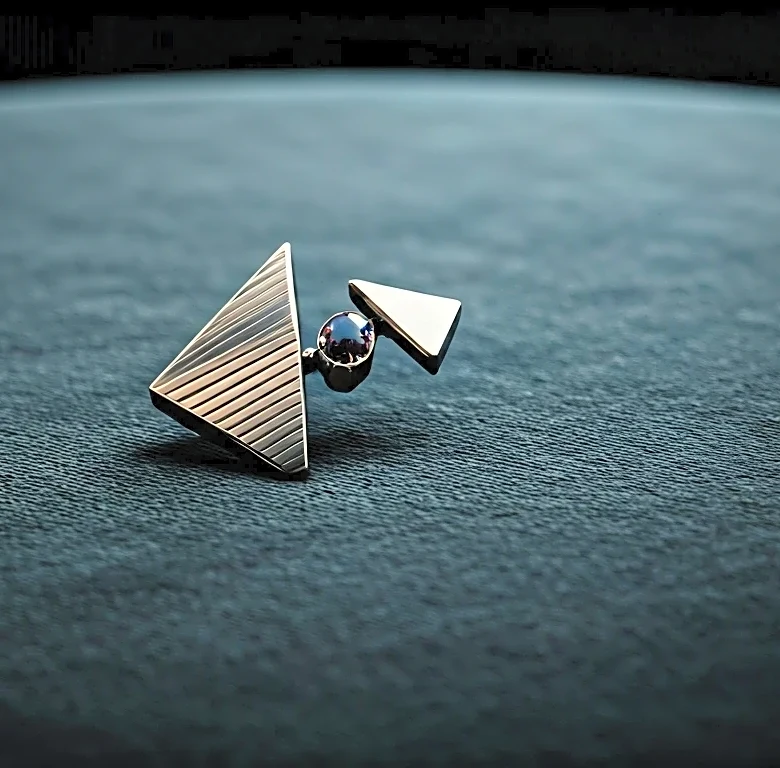
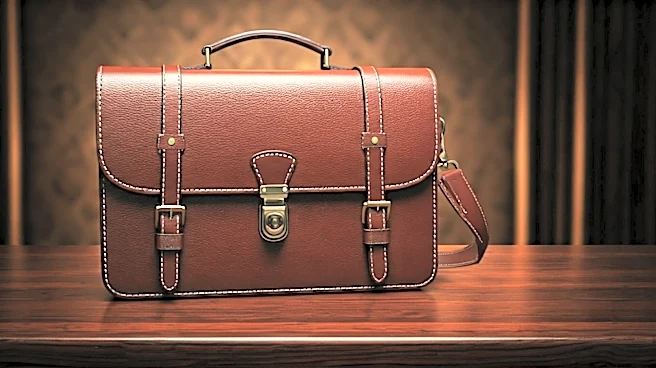
If changing your entire clothing silhouette feels like too much, start with accessories. This is the lowest-risk, highest-reward way to channel a runway spirit. Look at the bags, shoes, and jewelry from brands like J.W. Anderson or Givenchy. The concepts are often bold and sculptural. You can translate this by swapping your predictable backpack for a structured crossbody bag or a minimalist leather tote. Instead of your everyday sneakers, try a chunky derby shoe or a boot with a thick lug sole. Even a single piece of substantial, sculptural silver jewelry—a bold ring or a unique cuff—can elevate a simple jeans-and-tee uniform into something more memorable.
5. Find the Subverted Classic
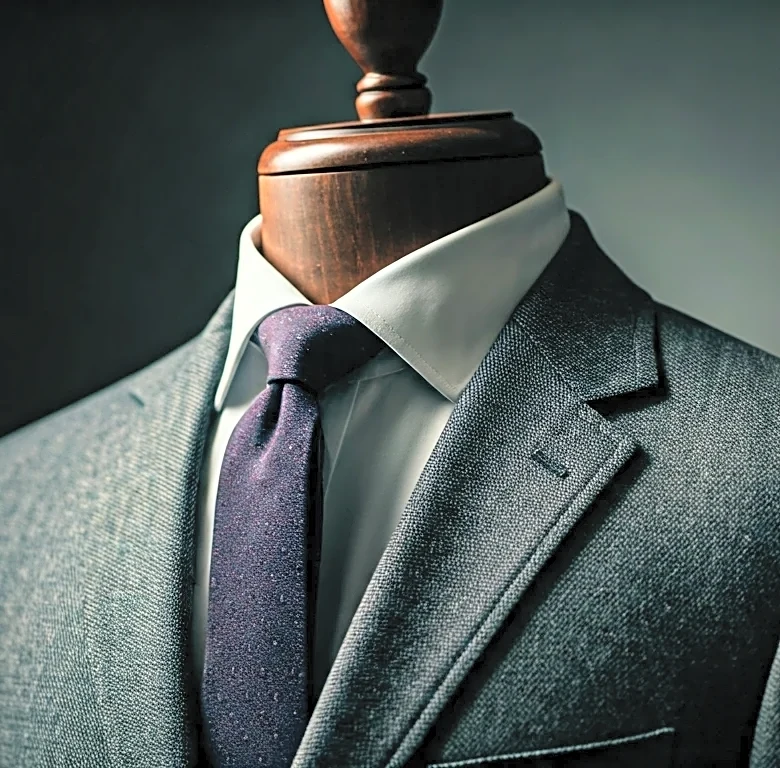
Many of the most celebrated Parisian designers, from Sacai to Maison Margiela, build their collections on deconstructing and reinterpreting menswear classics. Look for this principle when you shop. Instead of a standard trench coat, find one with an unusual panel, a missing lapel, or a two-tone fabric. Instead of a regular button-down, look for one with a hidden placket, an offset pocket, or a slightly longer, tunic-like hem. These are clothes that are 90% familiar and 10% 'wrong' in the best way possible. They are inherently wearable because their foundation is traditional, but their details provide the edge and intellectual curiosity found on the runway.