






The Brand We Know and Love
For the last decade, Chris Pratt has built one of the most bankable and clearly defined personas in Hollywood. He’s the lovable, slightly goofy, and ultimately heroic everyman. We know him as the charmingly clueless Andy Dwyer from his breakout in television,
a role that cemented his image as a human golden retriever. That affability was weaponized for superstardom when he became Peter Quill, a.k.a. Star-Lord, the sarcastic, '80s-music-loving leader of the Guardians of the Galaxy. He solidified that brand as Owen Grady in the 'Jurassic World' franchise, a rugged hero who is equal parts charm and competence. The Chris Pratt we know is reliable. He delivers the witty one-liner, saves the day with a wink, and reassures us that no matter how dire the situation, goodness and humor will prevail. This is the actor audiences have come to expect: a safe, charismatic, and consistently entertaining blockbuster king.
A Hard Left Turn in Toronto
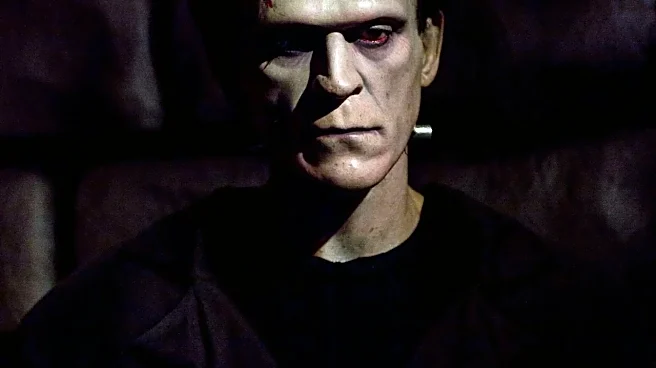
That reliable image is precisely what makes his turn in the TIFF premiere 'Trash Mountain' so jarring and brilliant. In the stark, atmospheric drama from director Kris Rey, Pratt is unrecognizable, and not just because of a gaunt frame and a scruffy beard. He plays a broken man forced to reunite with his estranged sibling (Zooey Deschanel) to clean out their deceased father's hoarder home in rural Missouri. Early buzz from festival screenings describes his performance as quiet, haunted, and deeply unsettling. Gone is the trademark charm, replaced by a simmering resentment and profound grief. His character is a man swallowed by circumstance, not one who rises to defeat it. This is not the hero who tames raptors; this is a man who can barely tame his own despair. It’s a complete and total deconstruction of the persona he so carefully built, a deliberate move into the kind of uncomfortable, emotionally raw territory that major stars often avoid.
The 'McConaissance' Blueprint
This isn't the first time a major star has used an indie film to stage a dramatic career pivot. The most famous recent example is the “McConaissance,” when Matthew McConaughey consciously shed his rom-com king image with a series of gritty, complex roles in films like 'Mud,' 'Killer Joe,' and 'Dallas Buyers Club,' the last of which won him an Oscar. It's a proven playbook: when an actor becomes almost too successful within a specific box, the only way to prove their artistic range is to shatter that box completely. These transformations are often facilitated by the festival circuit, where smaller, riskier films can generate massive buzz. For actors like Pratt, whose commercial success is beyond question, the next frontier is critical validation. By taking on a challenging, unglamorous role in a film like 'Trash Mountain,' he is signaling a new phase of his career, one focused on craft over commercial appeal.
Why We're So Fascinated
Why do audiences and critics get so excited about these transformations? Part of it is the pure surprise of seeing the unexpected. We think we have an actor figured out, and then they reveal a depth we never anticipated. It’s a testament to the power of performance art, reminding us that behind the movie star persona is a dedicated craftsman. Furthermore, it validates our own belief in human potential. If the guy from 'Guardians of the Galaxy' can transform into a profoundly broken character in a rural drama, it suggests that reinvention is always possible. It’s an inspiring narrative, not just for the actor, but for the audience. We are not just watching a movie; we are witnessing an artist actively reshaping their own story in real time, and the Toronto festival buzz suggests Chris Pratt’s new chapter is just beginning.