
The Blueprint of the Broadcast Special
Before you could stream any festival from your phone, there was the televised concert special. Think back to the golden eras of HBO and MTV. These weren't just raw concert recordings; they were carefully crafted films. They established a visual language
that defined how we watch live music on a screen. Producers used slick multi-camera setups, dramatic slow-motion shots of the artist, and quick cuts to screaming fans, all interwoven with backstage interviews or candid moments. Shows like 'MTV Unplugged' created a new kind of intimacy, stripping down the spectacle to focus on the artist. This wasn't just about documenting the event; it was about shaping a narrative and creating a perfect, polished version of a live performance for the at-home viewer. This curated approach became the blueprint for filmed music.
From Cable TV to YouTube
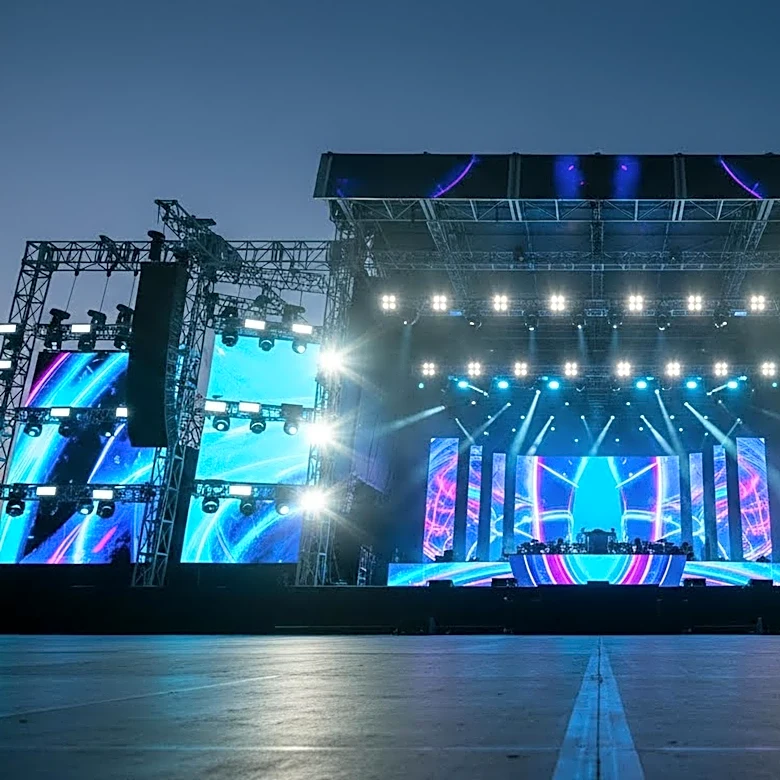
Today’s festival livestreams, whether it’s Coachella on YouTube or Lollapalooza on Hulu, are the direct descendants of that cable TV tradition. The technology has evolved, but the filmmaking grammar is strikingly similar. High-definition drone shots have replaced the sweeping crane cameras, but the goal is the same: to provide a god's-eye view of the spectacle. We still get intimate close-ups on the lead singer's face, quick cuts to ecstatic audience members, and professionally mixed audio that sounds far cleaner than it would in the middle of a field. Modern livestreams even incorporate their own versions of backstage content, with host-led interviews and artist Q&As between sets. The producers and directors behind these streams grew up on MTV, and that visual DNA is baked into their work, whether consciously or not. They are, in effect, creating a weekend-long concert special.
The Comfort of Curated 'Live'
So why does this feel so nostalgic and comforting? It's because the experience is fundamentally controlled. A real festival is chaotic—the mud, the crowds, the sound bleeding from another stage. A livestream offers a perfected, sanitized version. You have the best seat in the house, every time. This curated format triggers a specific kind of nostalgia, not just for the songs being played, but for the act of watching music on TV. Music is a powerful trigger for memory and emotion, tying moments in our lives to specific sounds. When a livestream presents music in a format that echoes the concert specials of our youth, it taps into those deep-seated feelings of comfort and connection. It makes a new, massive event feel as safe and familiar as watching a favorite band on a Friday night decades ago.
An Intimate, Parasocial Connection
At its core, the concert special was always about strengthening the bond between artist and fan. By giving viewers a seemingly behind-the-scenes glimpse, it fostered a sense of personal connection—what we now call a parasocial relationship. Livestreams have amplified this a thousandfold. The ability to comment in a live chat or see an artist respond to a question in real-time creates an interactive loop that feels deeply personal, even if it's shared with millions. This digital intimacy mirrors the perceived intimacy of old music television, where behind-the-scenes shows like 'Making the Video' made you feel like you were part of the creative process. The stream isn’t just a window into the concert; it’s presented as a window into the artist’s world, a powerful illusion that keeps us emotionally invested and coming back for more.