


The Allure of a Built-In Story
A pristine, fresh-off-the-rack garment is perfect, but it's also a blank slate. The 'lived-in' look, characterized by things like frayed edges, faded fabrics, and softened materials, offers an appealing shortcut to character. [12] This aesthetic taps
into a psychological desire for authenticity and nostalgia. We are drawn to items that seem to hold memories and history, even if that history was meticulously created in a designer's atelier. [4] It’s the sartorial equivalent of buying a novel that already has that perfect, worn-in feel—it suggests a life already lived, a story that the wearer gets to adopt and continue. This stands in contrast to the fleeting nature of fast fashion, offering a sense of permanence and depth. [5, 8]
The Art and Cost of a Perfect Fade
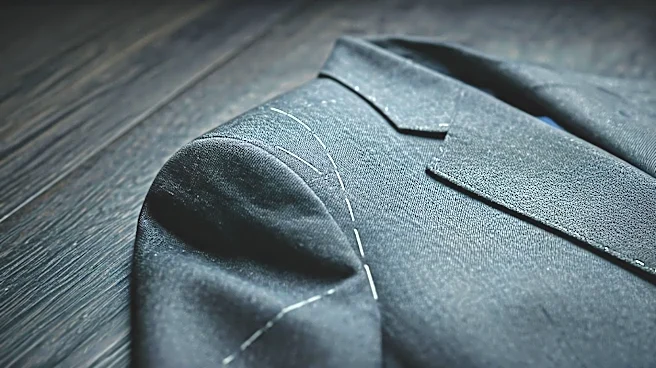
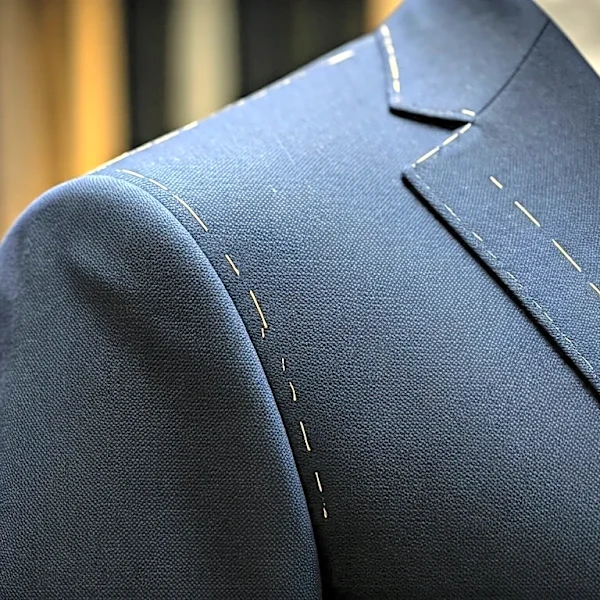
Achieving that ideal 'worn' look isn't as simple as roughing up a piece of clothing. In the luxury space, it's a highly controlled, labor-intensive process. [2] Designers and artisans use specialized techniques like targeted hand-sanding, specific washes, and even precise, hand-stitched repairs to create an item that looks naturally aged, not just damaged. Brands may develop exclusive fabrics and use rigorous dyeing and over-dyeing processes to achieve a specific patina. [13] This level of craftsmanship requires immense skill, time, and high-quality base materials that can withstand the distressing process. [10] Unlike mass-market ripped jeans, where damage can be indiscriminate, luxury distressing is about targeted imperfection, and that artistry is a significant part of the cost. [2, 5]
An 'Effortless' Status Symbol
In a world of fast fashion and flashy logos, the lived-in look has become a subtle form of status signaling for a certain kind of consumer. It communicates a style that is confident and unconcerned with appearing brand new—a concept often referred to as 'effortless'. [26] This aesthetic suggests that the wearer's style is inherent and personal, not something just purchased. [13] Ironically, this nonchalance is often meticulously curated and expensive. It’s a move away from the stiffness of traditional luxury toward something more comfortable and personal, without sacrificing the quality or the price tag. [23] By wearing something that is perfectly imperfect, the owner signals a deep understanding of style that goes beyond trends, prioritizing a personal and lasting connection to their clothes. [9, 16]
Rebellion Against the Perfect and Disposable
The trend towards deconstructed and distressed clothing can also be seen as a reaction against the flawless, minimalist aesthetic of 'quiet luxury' and the endless churn of disposable fashion. [12] It embraces imperfections—ladders in knits, exposed seams, and frayed hems—as central design features. [12] This approach celebrates the human touch and the beauty in things that aren't perfectly polished. [5] For some designers, it's also a move towards sustainability, using offcuts and salvaged materials to create something new and unique. [12] It's a style that feels more authentic and grounded, resisting the idea that clothes must be pristine to be valuable. Instead, the value is found in the character, craft, and story embedded within the fabric itself. [19]