




1. Identify Your 'Desert Island' Headliners
Before you even glance at the schedule grid, make your first cut. Scan the entire lineup and pull out the 3-5 artists you would be genuinely heartbroken to miss. These aren't the 'it would be cool to see them' acts; these are your 'I bought this ticket
for them' artists. This is your core, non-negotiable list. Think of it as packing your suitcase with essentials first—everything else is a bonus. This core list becomes your anchor, the North Star that guides your decisions when the inevitable conflicts arise. Write it down, put it in your phone notes, and commit to it. This simple act of declaration is the first step in taking control of your schedule and your sanity.
2. Create Your Tiers of Interest
Once your absolute must-sees are established, it’s time for triage. Go through the lineup again and sort the remaining artists into two or three tiers. For example: * **Tier A:** High-priority acts you desperately want to see, but could live without if a major conflict occurs. * **Tier B:** Artists you’re a fan of and would enjoy, but you’re not tracking their every move. * **Tier C:** The 'Discovery' tier. These are the bands you’ve heard good things about or whose names just sound interesting. This is your pool for exploration. This tiered system transforms an overwhelming list of 100+ names into a manageable, prioritized framework. When the daily schedules are released, you can color-code your spreadsheet or app, immediately visualizing the day's landscape and identifying potential trouble spots.
3. Embrace the Inevitable Conflicts
Let’s be real: Bonnaroo is designed for conflict. Two of your Tier A artists will play at the same time on opposite ends of The Farm. It's a rite of passage. Instead of despairing, have a plan. Look at the conflict: Is one a legacy act you may never get to see again, while the other is an up-and-comer who will be touring for years? Does one have a late-night set that promises legendary weirdness, while the other is a daytime singalong? Consider the vibe you'll be chasing at that moment. Sometimes the decision is about energy, not just discography. Don't let conflict paralysis rob you of joy; make a gut call and don't look back.
4. Schedule the 'Nothing'—and Stick to It
This is the most important and most overlooked step. Your schedule should have holes in it. Big ones. Actively block out time for aimless wandering, grabbing food without rushing, sitting in the grass, or checking out the art installations and 'Plazas.' Bonnaroo is more than the music on its main stages. It's the spontaneous discovery of a secret set, the bizarre conversation with a stranger at a water station, or the life-changing magic of a perfect slice of Spicy Pie. FOMO thrives when you're sprinting from stage to stage. It dies when you build room for the unexpected magic that defines the festival experience.
5. Use the 'One Song' Rule
When you’re truly torn between two overlapping sets, deploy the 'one song' rule. Go to your lower-priority choice first. Give them one full song. Are you captivated? Do you feel the energy? If yes, stay and enjoy the discovery. If you find yourself checking your watch or thinking about the other stage, that’s your answer. Thank the band for their time and make the trek to your other choice. This strategy lets you sample more music, satisfy your curiosity, and make an informed choice in the moment without feeling like you completely missed out on an artist.
6. Be a Realist About The Farm
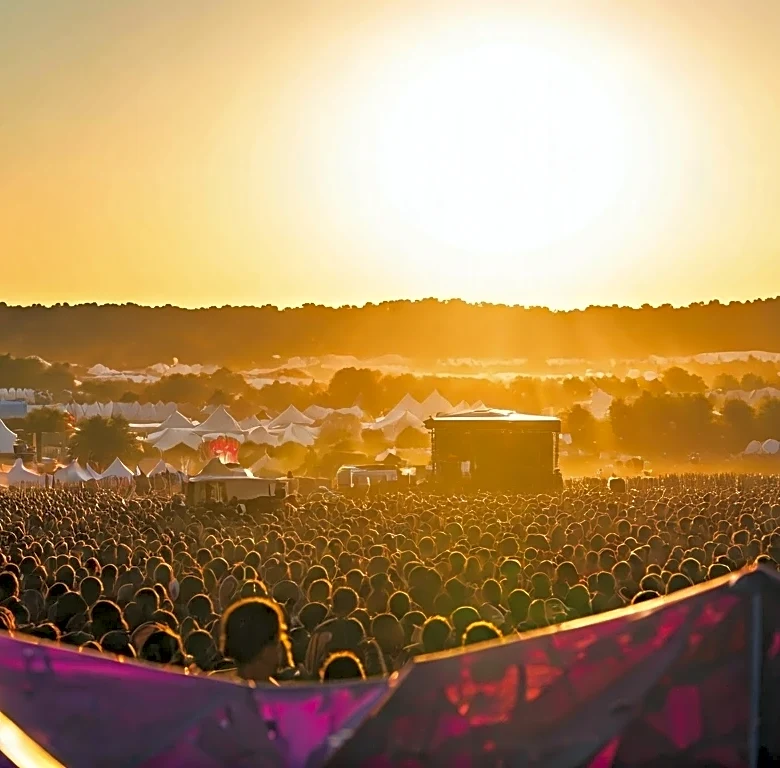
Centeroo is massive. The walk from the What Stage to the Which Stage is not a casual stroll; it's a journey that can take 15-20 minutes through thick, slow-moving crowds. When you’re building your schedule, look at a map. Grouping sets that are geographically close is a pro-level move. Don't schedule a set that ends at 8:00 PM at one end of the festival and another that starts at 8:00 PM at the other. You won't make it. Building in travel time reduces stress and ensures you arrive at a set ready to enjoy it, not breathless and annoyed.