

The Initial Spark: A Three-Way Conversation
Every custom gown begins not with a needle and thread, but with a conversation. This is a crucial collaboration between the celebrity, their stylist, and a fashion designer. The stylist, often described as an "image architect," acts as the bridge, translating
the celebrity's personality and the event's tone into a cohesive vision. Ideas are exchanged, sometimes through sketches, paintings, or mood boards referencing everything from Old Hollywood glamour to modern art. This initial phase is all about alignment. Does the star want to feel classic and sophisticated, or bold and unconventional? The designer then channels this vision into a preliminary sketch, the first tangible form of the dream dress.
The Blueprint: Pattern, Toile, and Fabric
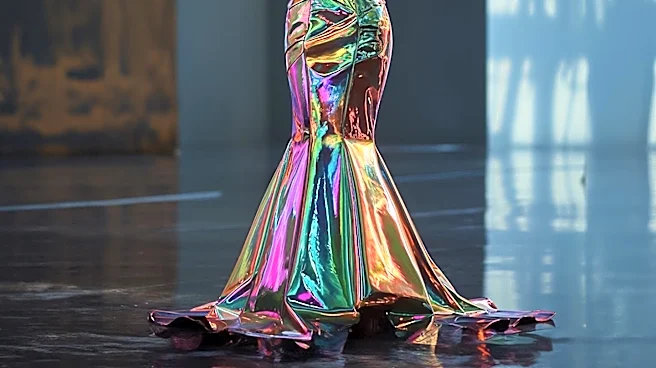
Once the sketch is approved, the atelier's technical work begins. A pattern is drafted from scratch based on the celebrity's precise measurements. Before cutting into expensive silks or delicate lace, craftspeople create a "toile"—a prototype of the gown made from inexpensive cotton muslin. This allows the designer and star to assess the garment's volumes, proportions, and overall silhouette during a first fitting. This is a critical checkpoint. Does the mermaid shape flatter the body as intended? Is the neckline hitting at the right spot? Adjustments are made to the toile, which then becomes the final blueprint for the actual gown. Simultaneously, the designer sources the perfect fabrics, from sumptuous satins to hand-embroidered tulles, which are key to bringing the design to life.
The Hidden Architecture: Building the Structure
This is where a gown's magic truly takes shape. The headline feature—the structure—is an engineering feat hidden from view. A dress that appears light and effortless on the red carpet is often supported by a complex internal framework. This hidden architecture can include integrated corsetry to define the waist, boning for stability and shape, and sculpted bra cups for support. These elements are not meant to be restrictive but to create a flawless silhouette that looks perfect from every angle. For more voluminous ballgowns, layers of tulle and organza are built upon a foundation, creating drama and presence without adding excessive weight. It’s this carefully engineered understructure that prevents sagging and allows the gown to move with the wearer.
The Perfect Fit: A Marathon of Fittings
With the real fabric cut and the internal structure in place, the gown is painstakingly assembled. This phase requires several in-person fittings, which are crucial dialogues between the designer, the star, and the skilled artisans. These sessions, which can last for hours, are used to make micro-adjustments. A waistline might be tweaked, a shoulder line refined, or a seam moved to better follow the body's curves. Custom-made gowns are designed to fit like a second skin, a process that simply cannot be rushed. This may involve two to four fittings, or even more for highly complex designs, over a period of weeks or months to ensure the final product is absolutely perfect.
Finishing Touches and The Final Reveal
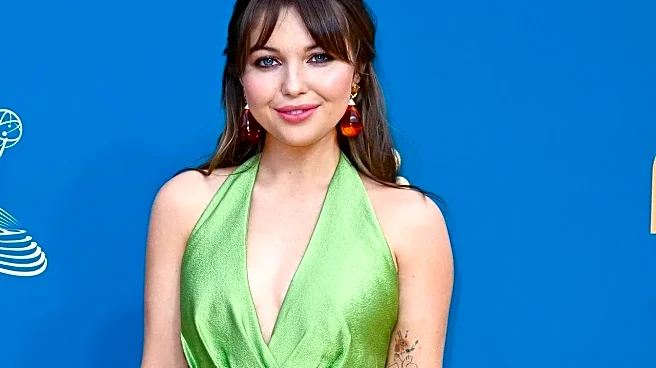
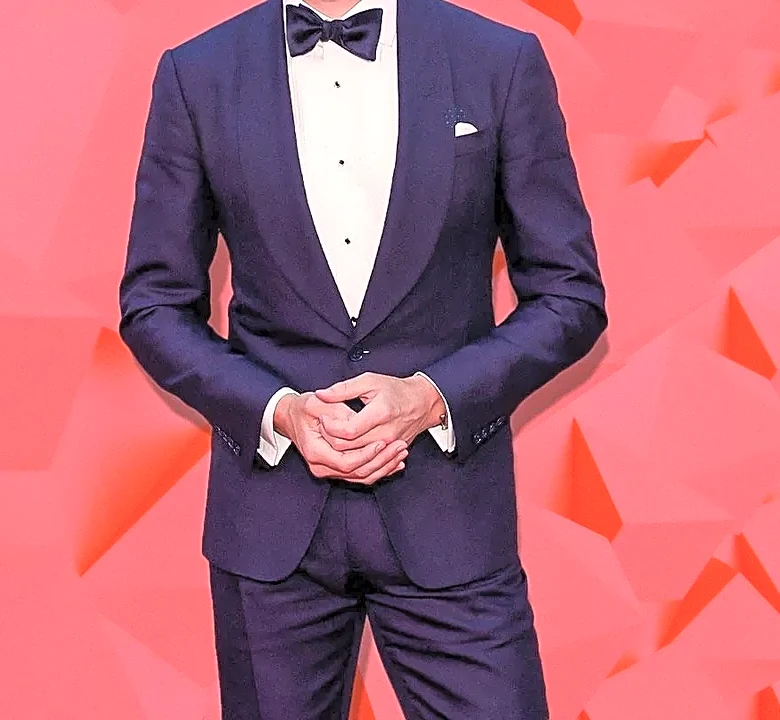
In the final days before the Emmys, the gown receives its finishing touches. This is when hand-sewn beadwork, intricate embroidery, or other delicate embellishments are applied. These details, often applied by hand over hundreds of hours, are what elevate a dress to the level of couture. The stylist then completes the look, coordinating jewelry, shoes, and a handbag that complement the gown without overpowering it. Finally, the gown is carefully pressed and transported for its big debut. The journey that started with a simple sketch months earlier culminates in a single, unforgettable walk down the red carpet, a testament to the immense skill and artistry behind the glamour.