



The Spectacle of the Silhouette
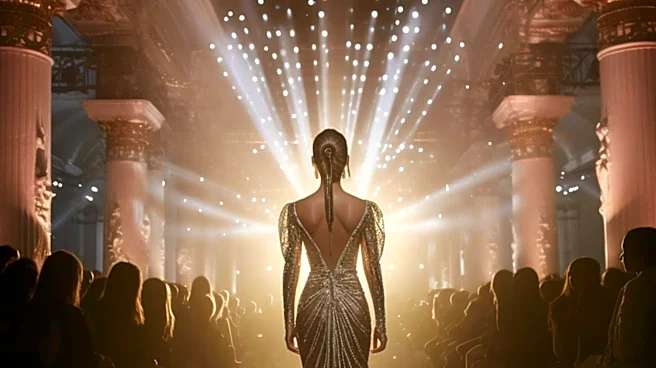
London Fashion Week has long been celebrated as fashion’s playground for the rebellious and the avant-garde. It’s where designers test the limits of wearability, sending sculptural, voluminous, and often fantastical shapes down the runway. Think of the recent
fascination with pumped-up volume, architectural designs, and exaggerated proportions—from bustles and balloon shapes to sharply cinched waists that flare into dramatic peplums. This is the “London silhouette hype”: bold, exciting, and visually arresting. It generates buzz and creates stunning images, but it’s a spectacle by design. These creations are often intended more as art pieces or provocations than as practical additions to an everyday wardrobe. While they influence mainstream fashion, the most extreme versions have a notoriously short shelf life.
The Downside of Chasing Trends
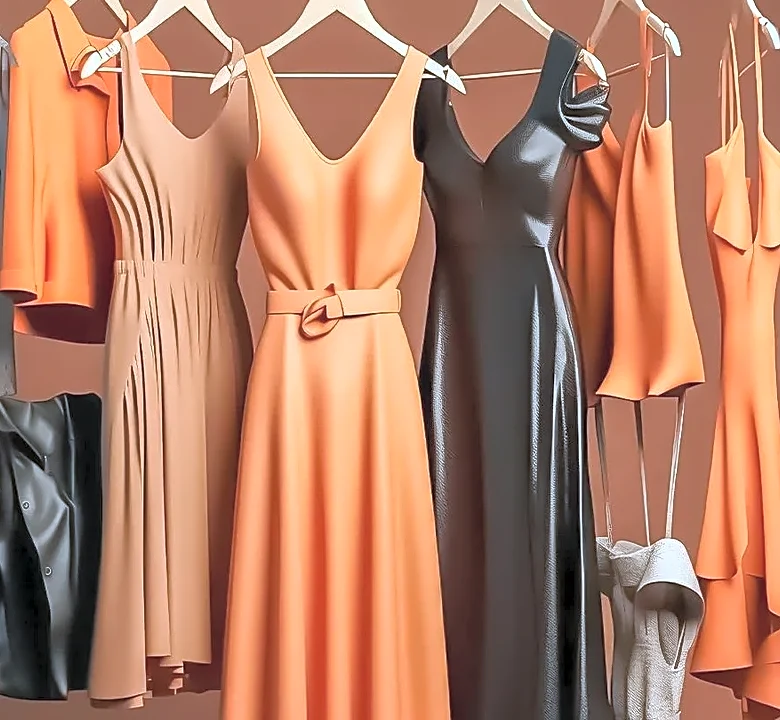
The allure of the new is powerful, but building a wardrobe based on chasing the most daring runway trends is a fast track to dissatisfaction. These highly specific, trend-driven pieces often feel dated once the next season’s hype cycle begins. This leads to a closet full of “moment pieces” that are hard to style and lose their relevance quickly, contributing to a cycle of constant consumption and waste. Poor fit is one of the biggest hidden drivers of this cycle. Off-the-rack clothing, especially trend-focused items, is designed for standardized forms, not real bodies. When a garment doesn't fit properly—gaping at the waist, pulling at the shoulders, or hanging incorrectly—it rarely gets worn, no matter how stylish it seemed on the hanger. This leaves you feeling like you have nothing to wear, despite a full closet.
The Timeless Power of a Perfect Fit
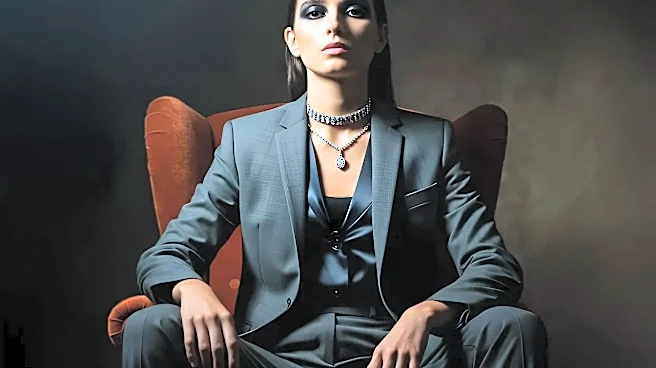
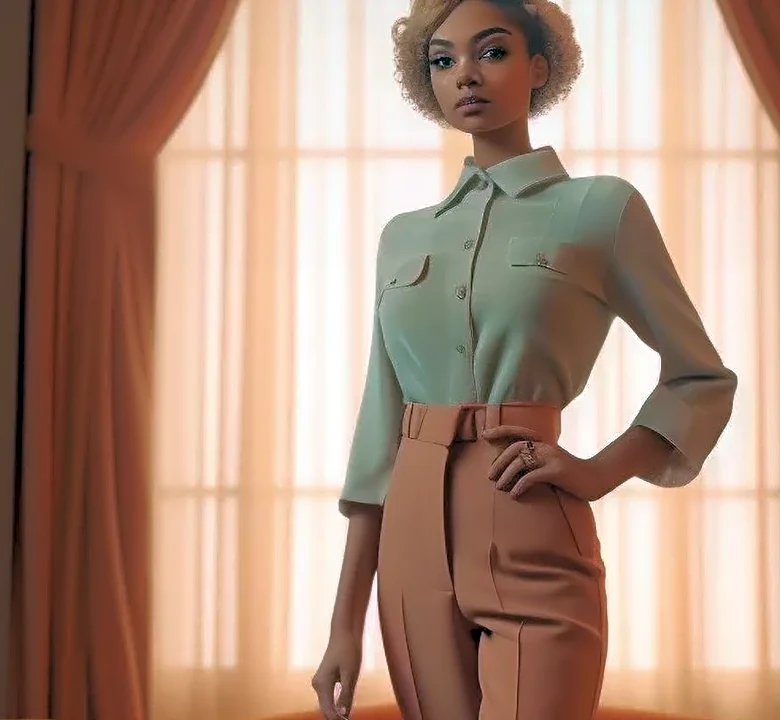
Herein lies the quiet, revolutionary power of tailoring. Unlike a fleeting silhouette, a perfect fit is timeless. Tailoring isn’t about conforming to a trend; it’s about making a garment conform to you. A skilled tailor can transform an ordinary, ill-fitting piece into something that looks and feels bespoke. A $50 dress that fits perfectly often looks more expensive and sophisticated than a $500 designer piece that doesn’t. This is because proper fit creates clean, uninterrupted lines, allowing the fabric to drape as intended and flattering your individual shape. It turns a good-enough pair of trousers into your go-to pair and makes a simple blazer look like it was custom-made. It’s the difference between wearing a costume and wearing clothes that feel like a second skin.
An Investment in Sustainability and Self
Opting for tailoring over trends is also a fundamentally more sustainable choice. The most eco-friendly garment is the one you already own and wear repeatedly. By investing in alterations, you extend the lifespan of your clothes, keeping them out of landfills. A tailor can update older pieces, repair minor damage, or adjust a favorite item to fit your body as it changes over time. This approach encourages buying fewer, better-quality items and caring for them—the core principle of slow fashion. More importantly, it’s an investment in your own confidence. When your clothes fit you well, you feel more comfortable and self-assured. You’re not just following a trend; you are cultivating a personal style that is authentic, enduring, and uniquely yours.