



The Tyranny of Tape Measures
In the worlds of professional soccer and American football, prototypes are powerful. For a soccer center-back, the ideal is a towering figure, typically well over six feet, capable of winning headers and physically imposing strikers. In the NFL, a defensive
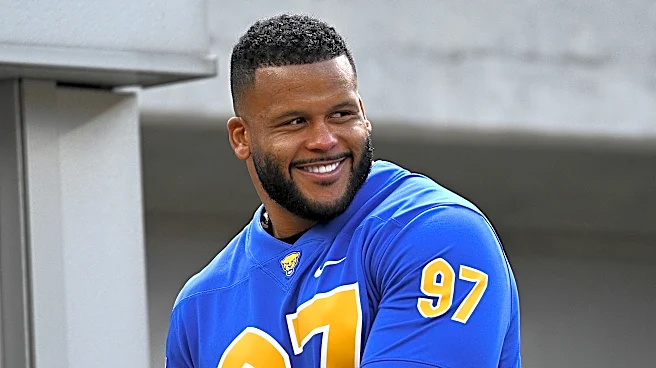
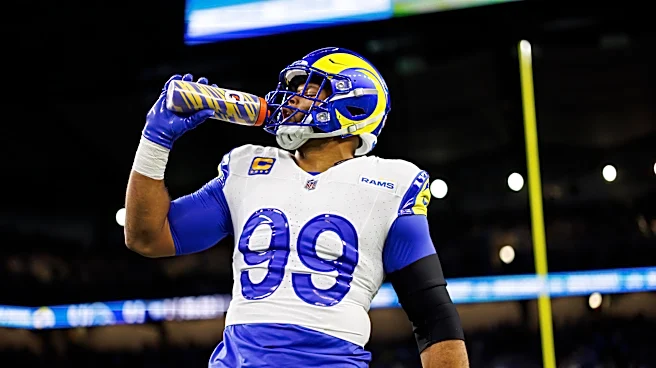
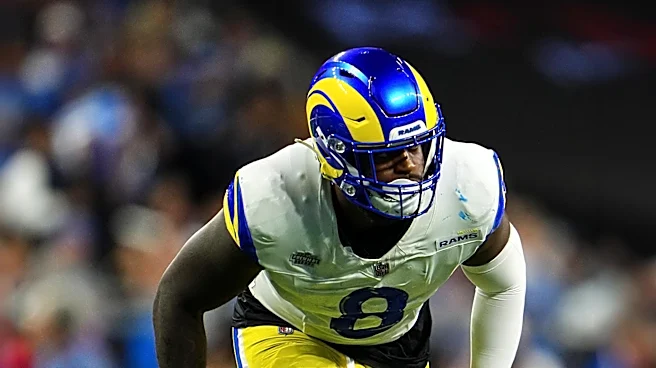
tackle is expected to be a mountain of a man, with an average height of over 6-foot-3 and a weight exceeding 310 pounds. These are the players scouted, drafted, and paid to be immovable objects. Then there are the outliers. The players who look at the physical checklist and succeed anyway. Italy’s Fabio Cannavaro and the Los Angeles Rams’ Aaron Donald are two of the greatest defensive players of their respective generations. Neither fit the physical mold. Cannavaro, a center-back, stood at just 5-foot-9. Donald, an interior defensive lineman, played at 6-foot-1 and 280 pounds, often giving up several inches and 40-plus pounds to the offensive linemen he faced. Yet both reached the absolute pinnacle of their sports, proving that dominance comes from more than just measurements.
Cannavaro: The Maestro of Timing
Fabio Cannavaro's crowning achievement was captaining Italy to the 2006 FIFA World Cup title. His performance was a masterclass in defending, earning him the nickname "Il Muro di Berlino" (The Berlin Wall). He played every minute of the tournament for Italy, who conceded only two goals, neither from open play. For his efforts, he won the Ballon d'Or and FIFA World Player of the Year, the only defender in history to win the latter. How did a 5-foot-9 defender shut down the world's best forwards? Cannavaro compensated for his lack of height with an otherworldly understanding of the game. His positioning was flawless; he read plays so early that he often intercepted passes before a challenge was even necessary. When a tackle was needed, his timing was impeccable. But his most legendary trait was his vertical leap. Cannavaro could out-jump forwards who were half a foot taller, a skill born from explosive power and sheer determination. He wasn't just a defender; he was a football genius who used his mind and his perfectly honed physical skills to neutralize any size disadvantage.
Donald: A Master of Leverage
Aaron Donald retired as arguably the most disruptive defensive player in NFL history, a claim backed by three NFL Defensive Player of the Year awards—a feat matched only by legends Lawrence Taylor and J.J. Watt. Like Cannavaro, Donald weaponized his perceived disadvantage. Being shorter than the behemoth offensive guards trying to block him meant he had a naturally lower center of gravity. This became the foundation of his entire game: leverage. Donald’s first step was so explosive that he would often get underneath a lineman's pads before they could even properly get into their stance. His technique was second to none, using a vast arsenal of hand-fighting moves—swipes, rips, and chops—to disengage from blockers. While he possessed immense strength, his game was not built on simply overpowering opponents. It was about using their size and momentum against them, getting to the quarterback or running back through impossibly small gaps with a combination of speed, power, and agility that was unprecedented for an interior lineman.
A Common Denominator of Dominance
Though they played vastly different sports, the blueprint for Cannavaro's and Donald's success shares remarkable similarities. First was their intelligence and anticipation. Both players seemed to know what the offense was going to do before it happened, allowing them to be a step ahead of their bigger, more physically imposing opponents. Second was their fanatical devotion to technique. Neither could rely on raw size, so they perfected every aspect of their craft, from Cannavaro's precise slide tackles to Donald's violent hand-fighting. Finally, and perhaps most importantly, was a relentless, unteachable motor. Both played with an intensity that never waned, from the first whistle to the last. Cannavaro’s iconic tackle and run to start the game-winning counter-attack in the 2006 World Cup semifinal is a perfect example, as was Donald’s game-sealing pressure on Joe Burrow in Super Bowl LVI. They didn't just play; they willed themselves to dominate.